What Failure to Diagnose Means and How the Law Protects You From It
4 months ago 275

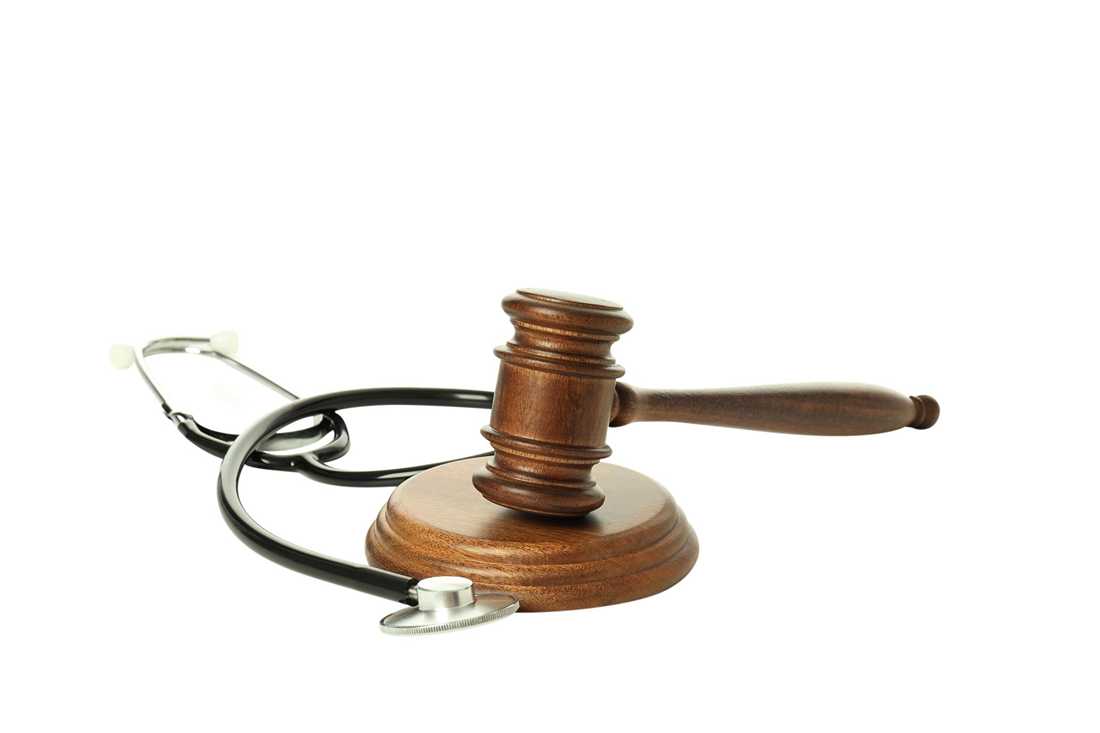
Going for a medical checkup at a doctor's office means that a patient expects that their signs and symptoms will be taken into consideration for the correct diagnosis. Failure to diagnose a medical condition by a medical expert often results in complications that could have otherwise been avoided. This is known as a failure to diagnose.
Knowing what a failure to diagnose means helps a patient understand the implications for their health. It also helps them know the laws that protect them after a failure to diagnose incident, ensuring they understand their rights and the possible legal options available. If a person has been misdiagnosed, they have the right to file a claim if said misdiagnosis led to further harm.
Below is an explanation of what failure to diagnose means and how the law protects you from it.
Failure to diagnose a patient occurs when a medical professional fails to diagnose a patient's medical condition correctly. This can happen in a hospital setting, a medical facility, or during a routine medical checkup. Some of the medical conditions that are likely to be involved in a failure to diagnose a patient's condition include cancer, infections, heart conditions, and neurological conditions.
The consequences of a failure to diagnose a patient’s condition are severe. This is because the patient may suffer a lot due to the medical condition. For example, cancer may progress to an advanced stage, infections may become life-threatening, and the patient may suffer permanent damage to the heart.

Medical malpractice laws are a system for making medical service providers liable for malpractice, which is the failure to diagnose a patient's illness. The law allows a patient to claim compensation for the damage suffered due to the failure to diagnose. It also encourages medical service providers to practice good medical care.
Some of the main points related to the law's protection of a patient from medical malpractice are:
Patients are expected to demonstrate that the service provider was negligent. This is usually done with the testimony of a medical expert, who confirms that the service provider acted unprofessionally under the circumstances.
Failure to assess the patient's symptoms, failure to take action after the results of a medical test, or failure to order a medical test are some of the negligence acts.
It is not enough to show a missed diagnosis; patients must demonstrate that the delay or error caused injury or worsened their condition. This may include physical harm, mental distress, financial loss, or a combination of these outcomes. Clear medical records and documentation of symptoms over time are essential for proving harm.
If negligence and harm are established, patients may be entitled to compensation. This can cover medical expenses for corrective treatments, rehabilitation, surgeries, medications, and ongoing care.
Additionally, compensation may address lost wages due to extended recovery periods, pain and suffering, emotional distress, and, in severe cases, long-term disability.
Legal action for failure to diagnose a patient can also serve as a means to improve the systems within a health facility, which can prevent similar situations from occurring with other patients. This is a way of protecting the patient population as a whole.
Failure to diagnose is a serious medical issue. There are health and legal consequences to a failure to diagnose. Understanding the legal protection afforded to patients can help patients protect themselves and seek compensation.
Some of the key points to remember are as follows:
Comments (0)