Smart Tips to Boost User Stickiness in Mobile Health Apps
4 months ago 275

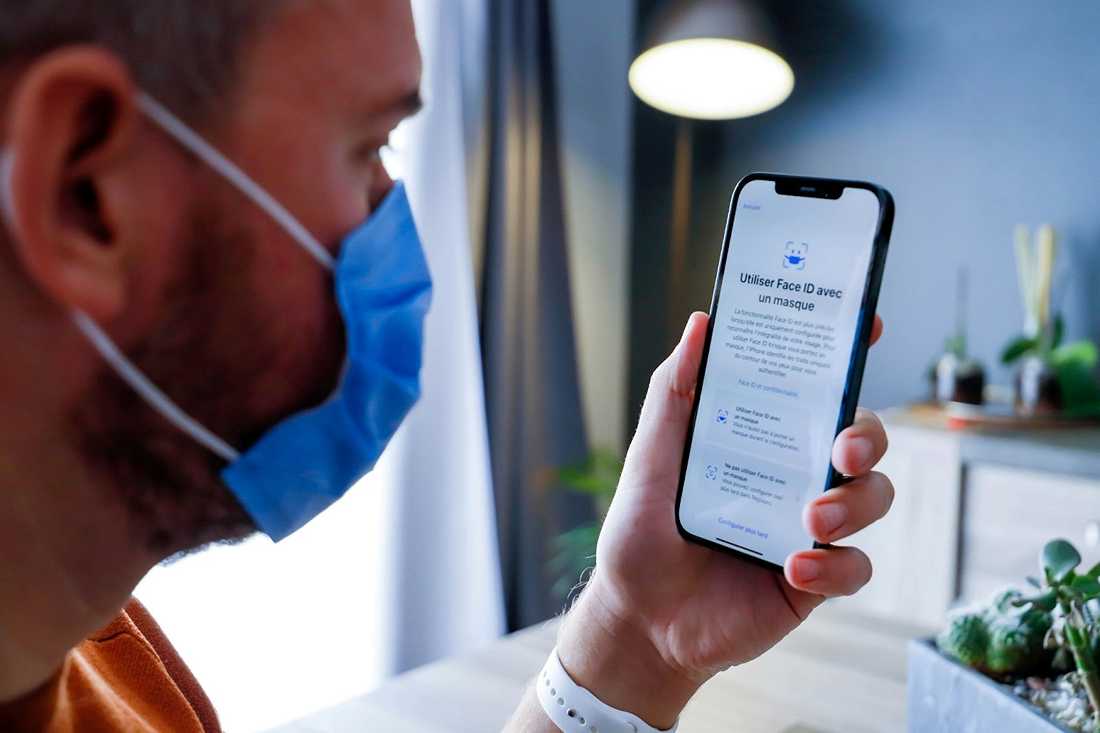
The mHealth market in 2026 is a brutal environment for any new product. Statistics show that over 60% of applications are uninstalled within the first month. This means developers can no longer rely on simple novelty to retain users. If you are following the medical APP development guide, you know that true value comes from solving real problems. Stickiness is not just about getting someone to log in once a day. It is about creating indispensable health habits that integrate the application into the user’s daily routine for survival or wellness. Competition is no longer about who has the most features. It is about who provides the most frictionless and intelligent experience. We are seeing a massive shift from reactive tools to proactive health partners. Success requires a deep understanding of behavioral science and advanced technology. The goal is to build something that feels necessary, not a chore. This foundation is critical for anyone entering app development healthcare today.
The first sixty seconds of a user's experience determine the next sixty days of their journey. In 2026, people have zero patience for long, boring product tours or complex forms. We have moved toward progressive onboarding, where users learn by doing. One-tap sign-ups are mandatory. You need to deliver a "tiny win" or a micro-reward immediately to reinforce the user's decision to download the app. This could be a quick health insight or a successfully synced device. To make this work, you must minimize data entry fatigue. Use AI to automatically retrieve existing health data from wearables or prior EHR records. This is a core part of mobile health app development. If a user has to enter their medical history, they will likely leave. Clarity and immediate value perception are the only factors preventing a Day 1 bounce in this market. You want the user to see exactly how this app will improve their life before they complete their first session.
Generic health advice is useless in a world where everyone has a wearable sensor. AI-driven personalization is now a baseline expectation for any medical tool. Apps in 2026 adapt their content, notifications, and goals based on real-time biometric data and local environment. If the weather is poor and your stress levels are high, a health mobile app development project should suggest an indoor breathing exercise, not a 5k run. This is what we call prescriptive intelligence. The app not only shows a step graph; it also suggests a specific, achievable action based on the user's current schedule. However, there is an ethical side to this. You must maintain transparency and trust. If the personalization feels too intrusive, the user may be alarmed and uninstall the app. It is a fine line between being a helpful coach and being a "creepy" stalker. Honesty about data usage is the only way to keep the user’s trust over the long term.
Gamification has evolved past flashy badges and meaningless points. In 2026, we focus on meaningful behavioral loops that actually change lives. Leaderboards are often less effective than internal milestones. Users care more about consistency "streaks" that visualize their personal health journey. We use concepts such as loss aversion and milestone celebrations to help patients stay adherent to their treatment plans. This is a sophisticated part of android healthcare app development. If someone has met their medication goals for 20 consecutive days, they are much less likely to skip day 21. This type of gamification must be tied to actual clinical outcomes. It should give users a sense of agency and a "leveling up" experience in their real-world vitality. Collecting digital currency is fine, but feeling healthier is the ultimate reward. When users see a direct link between their app activity and their physical well-being, the habit becomes permanent.
Typing is slowly becoming a secondary interaction method in the medical space. Modern apps utilize voice-assisted symptom reporting and conversational AI to make the experience feel more human. This is a significant leap in mobile medical application development. For elderly users or busy clinicians, voice commands are much more natural. Navigating complex menus when you are unwell is a poor user experience. Conversational AI allows the app to act like a supportive coach that remembers your history. These human-like interactions reduce the cognitive load of health management. It makes the app feel like a companion rather than a cold database. This accessibility is a huge driver for long-term retention. When an app can understand a spoken sentence like "I feel a bit dizzy today" and react with the right questions, it builds a much stronger bond with the user. It turns a routine check-in into a helpful conversation.
Sustaining engagement in healthcare mobile development requires a mix of technical precision and psychological triggers. You cannot just build it and hope they stay. You have to actively manage the relationship between the user and the software.
These tactics ensure that professional healthcare app development goes beyond the basics. By focusing on these five areas, you address both the app's technical reliability and the patient's emotional needs.
Human connection is one of the strongest drivers of app stickiness. In 2026, apps will integrate community features that allow users to join group challenges or receive encouragement from family members. This taps into the psychological phenomenon of social accountability. If you know a peer group is watching your progress, you are much less likely to abandon your goals. This is why application development in healthcare is moving toward a more social model. However, the developer’s role as a moderator is crucial. You must ensure a safe, positive, and HIPAA-compliant environment. The goal is to foster health, not competition-induced stress. When done correctly, social stickiness makes the app feel like a supportive club. People stay because they don't want to let their community down. This adds a layer of emotional investment that a standalone tracker simply cannot provide.
The pursuit of user stickiness in 2026 has moved beyond aggressive push notifications toward a model of "intelligent partnership." As we have explored, the most successful health apps are those that disappear into the background while providing indispensable value. By combining frictionless onboarding, purposeful game mechanics, and the warmth of conversational AI, you can create tools that users rely upon for their long-term well-being. Ultimately, stickiness is earned through trust and demonstrable improvements in the user's life. In a world of infinite digital noise, the apps that prioritize human-centric design and behavioral science will be the ones that survive the initial churn. This is the heart of app development for the healthcare industry. The goal for any mobile healthcare application development project today should be to move beyond being a simple tracker. You want to become an essential part of the patient's identity and daily rhythm. If you can make someone feel supported and empowered every day, they will never want to hit that uninstall button. This is how we build the future of mobile medical application development.
Comments (0)