How to Relieve Joint Pain as You Get Older
11 months ago 780

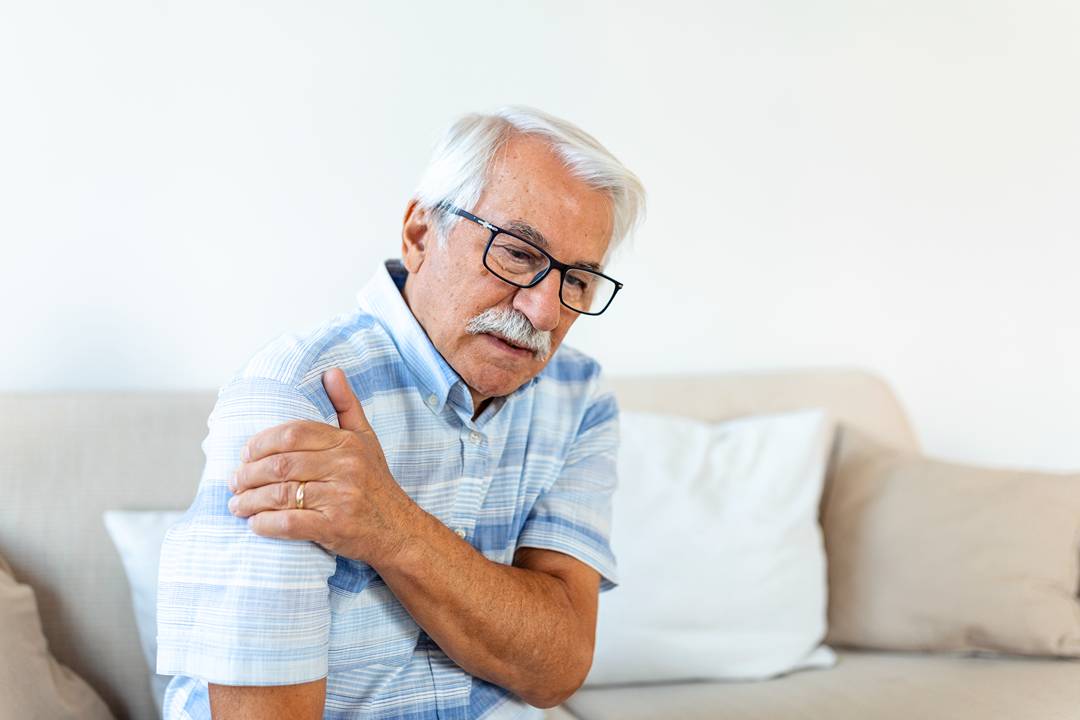
Joint pain affects most people over 60. Osteoarthritis causes the majority of cases, though rheumatoid arthritis and other inflammatory conditions also occur frequently. The good news? Research shows multiple ways to reduce pain and maintain function without immediately turning to surgery.
Exercise works better than many medications for joint pain. The 2019 American College of Rheumatology guidelines mark exercise as a core treatment for osteoarthritis. People who exercise regularly report less pain and better function compared to those who stay sedentary.
Walking counts. So does swimming. Tai chi helps too. The type matters less than consistency. Start with 10 minutes daily if you're inactive. Add five minutes each week until you reach 30 minutes most days.
Strength training helps stabilize joints. Use resistance bands or light weights twice weekly. Focus on muscles around painful joints. Quadriceps exercises reduce knee pain. Hip strengthening helps both hip and knee symptoms.
Water exercise removes pressure from joints while building strength. Pool temperature between 83 and 88 degrees Fahrenheit works best. Many community centers offer arthritis aquatic programs specifically designed for older adults.
Every pound of body weight adds four pounds of pressure to the knees when walking. Losing 10 pounds removes 40 pounds of force from each knee. The ACR guidelines identify weight loss as essential for overweight people with knee or hip arthritis.
Small changes add up. Replace one sugary drink daily with water. Take the stairs when possible. Park farther from store entrances. These habits create sustainable weight loss without extreme dieting.
Some people with joint pain explore different options when standard treatments don't provide enough relief. Topical CBD creams have gained attention in recent years, though research remains limited. Others try turmeric supplements, acupuncture sessions, or buy delta 9 gummies for pain management. The ACR guidelines show acupuncture may offer small benefits for osteoarthritis pain.
Before trying new approaches, talk to your doctor about potential interactions with current medications. Many alternative options lack FDA approval for arthritis treatment. Track your symptoms to see what actually helps. Some methods work better combined with exercise and physical therapy rather than alone.
Topical anti-inflammatory gels work well for knee and hand arthritis. They cause fewer stomach and kidney problems than oral medications. Apply diclofenac gel four times daily to painful joints.
Oral NSAIDs like ibuprofen help when topicals aren't enough. Take the lowest dose that controls symptoms. Use them for flares rather than daily. People over 65 face higher risks of bleeding and kidney problems from these drugs.
Acetaminophen provides modest relief with fewer risks than NSAIDs. Stay under 3 grams daily total from all sources. Check cold medicines and prescription pain relievers for hidden acetaminophen.
Duloxetine helps some people with persistent osteoarthritis pain. This antidepressant works on pain pathways in the brain. Watch for dizziness and interactions with other medications.
Avoid regular opioid use. They rarely help with arthritis pain long-term. Fall risk increases substantially in older adults taking these medications.
Corticosteroid shots provide temporary relief during bad flares. Effects typically last six to twelve weeks. They work best for getting through specific events or starting physical therapy.
Physical therapists teach proper movement patterns to protect joints. They prescribe specific exercises targeting weak muscles. Manual therapy can improve the range of motion in stiff joints.
Consider surgery when pain disrupts sleep despite trying other treatments. Inability to walk one block or climb stairs indicates advanced disease. X-rays showing bone-on-bone contact support surgical planning. Joint replacement surgery has high success rates. Most people experience major pain relief. Recovery takes three to six months. Physical therapy after surgery determines final outcomes.
Arthroscopy rarely helps osteoarthritis. Washing out the joint or trimming cartilage provides minimal benefit. Save this procedure for specific mechanical problems like loose bodies.
Use larger, stronger joints for tasks. Carry bags with shoulder straps instead of handles. Open jars with your palm rather than fingers.
Cold packs reduce swelling during flares. Apply for 15 minutes several times daily. Heat loosens stiff joints in the morning. Alternate based on current symptoms.
Good shoes matter. Replace worn pairs that lack cushioning. Orthotics can correct alignment problems contributing to joint stress.
Get seven to eight hours of sleep. Poor sleep worsens pain perception. Keep bedrooms cool and dark. Avoid screens before bedtime.
Stop smoking. Smokers have worse surgical outcomes and slower healing. Nicotine also increases inflammation throughout the body.
Comments (0)