Why Does My Tooth Hurt When I Bite Down? A Complete Guide
19 hours ago 36

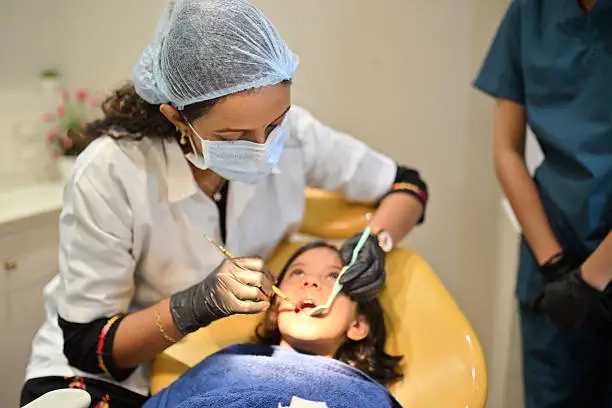
Tooth pain can be confusing when everything feels normal until you start eating. You take a bite, pressure reaches one particular tooth, and suddenly there is a sharp or aching sensation. The pain may disappear once you stop chewing, only to return at your next meal.
This type of pain often means that something in or around the tooth has become sensitive to pressure. The cause could be decay, a small crack, inflammation, or even an issue with an existing filling.
Since several dental problems can feel quite similar, a dentist in Welland can examine the tooth and determine what is behind the discomfort.
This guide explains the common causes of tooth pain when biting, what you can do at home for temporary relief, and when it makes sense to arrange a dental appointment.
Biting places pressure on your teeth and their supporting tissues. When something in this area becomes damaged or irritated, normal chewing can start to hurt.
Here are some of the most common reasons you may feel tooth pain when biting down.
A small cavity may develop without causing noticeable discomfort. As decay progresses deeper into the tooth, it approaches the more sensitive inner layers.
At that point, chewing pressure may start to trigger pain. The tooth might also become sensitive when you have something cold, hot, or sweet.
How far the cavity extends will influence whether the tooth needs a filling or more extensive treatment.
A cracked tooth can be difficult to spot because the damage is not always visible. You might look at the tooth in the mirror and see nothing unusual.
The crack may become noticeable only when you chew. Pressure can cause the affected sections of the tooth to move slightly, which may irritate sensitive tissue underneath.
As a result, you might feel a sudden sharp pain when biting down or releasing the bite. Sometimes it only happens when you chew at a particular angle, which can make the problem seem inconsistent.
If the painful tooth has been treated before, an existing restoration could be the reason of discomfort.
Fillings and crowns handle considerable chewing pressure every day. Over time, a filling may loosen or wear down, while a crown can become damaged or stop fitting as securely as it once did.
The restoration does not necessarily have to fall out. You may simply notice that the tooth feels different when you chew or that pressure in one particular area has become uncomfortable.
Sometimes biting pain comes from deeper inside the tooth. At the centre of each tooth is the pulp, which contains nerves and blood vessels. Deep decay, a crack, or previous trauma can irritate this tissue and make the tooth more sensitive.
The discomfort may initially appear mainly during chewing. If the inflammation increases, you might also notice lingering sensitivity after hot or cold foods or an ache that occurs even when you are not eating.
When bacteria reach the inner part of a tooth, an infection can sometimes develop and spread toward the tissues around its root.
These tissues may become inflamed and tender, so even ordinary chewing pressure can make the tooth feel sore. Some people also notice that the affected tooth feels slightly different from the teeth around it.
As the infection develops, the discomfort may become more persistent or throbbing. Swelling around the gum or face, fever, or an unpleasant taste in the mouth may also occur.
The tooth itself is not always the source of discomfort. The gums and supporting tissues around it can also become sensitive.
Inflamed gums may feel sore when chewing places pressure on the area. If gum disease progresses and affects the structures supporting a tooth, the discomfort can become more noticeable.
Other changes may appear alongside the pain, including bleeding while brushing, swollen or receding gums, and persistent bad breath.
Once you notice that biting consistently causes pain, the next step is to reduce irritation while seeing whether the problem settles or continues. Here are two practical ways to approach it:
Home care will not fix the underlying dental problem, but it can make the tooth more comfortable in the meantime. The following simple measures may help reduce discomfort and avoid placing extra stress on the area:
A dental appointment becomes more useful when biting pain keeps returning, gets stronger, or starts appearing even when you are not chewing.
During the visit, your dentist can look at several possible sources of the discomfort rather than relying on the symptoms alone.
They may examine the tooth and surrounding gums, inspect existing fillings or crowns, and assess how your teeth meet when you bite. Depending on what they find, dental X-rays or other tests may help reveal problems that are not obvious from the surface.
It can also help to mention when the pain started and whether it occurs while biting down or when releasing pressure. Sensitivity to hot or cold foods, recent dental work, swelling, or changes in the intensity of the pain can provide useful context.
Treatment then depends on the cause. It may involve:
If recurring biting pain needs professional attention, having access to both general and emergency dental care can make the next step easier.
Welland Dental Centre provides dental care for patients in Welland and the surrounding Niagara community. The clinic can assess concerns such as persistent tooth pain, cracked or broken teeth, infections, and damaged restorations. Same-day emergency appointments are also offered when possible.
Schedule your visit soon to have the tooth checked and get the right care for your discomfort.
A tooth that hurts when you bite is usually reacting to pressure for a reason. Decay, a small crack, an irritated pulp, infection, gum problems, or an existing restoration can all make chewing uncomfortable.
Home remedies can provide temporary comfort, but recurring pain is easier to address once you know what is causing it. A dental assessment can identify the problem and help determine the treatment needed to make chewing comfortable again.
Comments (0)