Acemannan: Evidence, Safe Use, and Quality Tips
17 hours ago 35

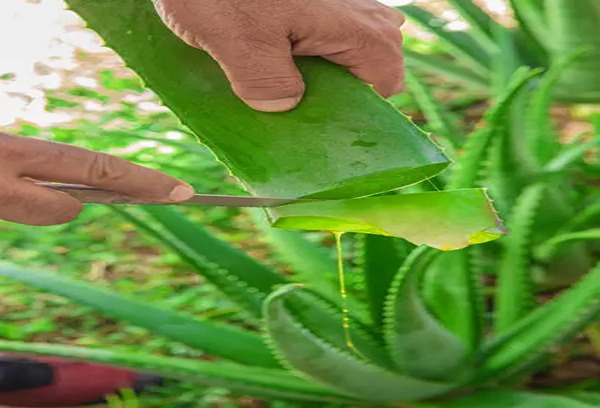
Acemannan is a polysaccharide, a long chain of sugar molecules, found in the clear gel inside aloe vera leaves. It appears on supplement labels, in skin products, and in dental research. A few human trials of acemannan applied inside the mouth have shown promising results, but evidence for swallowing it as a capsule or drink is limited. Safety also depends on which part of the leaf a product contains. Understanding those differences helps you judge both the research and the labels.
Not all aloe ingredients are interchangeable. The part of the leaf used and the way it is processed both matter.
The inner leaf holds a clear gel that is mostly water, with polysaccharides including acemannan. Just under the green skin sits a yellow, bitter sap called latex. It contains compounds called anthraquinones, including aloin, which contribute to aloe's laxative effect and many of its safety concerns.
Whole-leaf extracts can contain both gel and latex compounds unless processing removes them. Labels may describe this processing as decolorization or filtration. The presence of acemannan alone doesn't tell you whether a product contains unwanted latex compounds.
The preparation and method of use matter. Results from a dental gel or sponge don't establish benefits for a supplement you swallow.
The most encouraging human findings involve acemannan placed directly on tissue inside the mouth. In a randomized trial of 180 people with recurrent aphthous ulceration, commonly called canker sores, 0.5% acemannan reduced ulcer size and pain more than the inactive control, though 0.1% triamcinolone acetonide, a topical steroid, performed better than both.
A separate 12-month randomized trial tested acemannan sponges placed in tooth sockets after extraction. Across 35 patients and 43 extraction sockets, the 50 mg sponge produced a significantly greater reduction in socket volume, a measure used to track bone healing, than the control at every follow-up point, while the 20 mg sponge did so only at some. These findings are encouraging, but the trial was small and tested a specific dental preparation. They don't show that taking acemannan supplements improves dental healing, which still rests on standard post-extraction care and the wider oral health routine a dentist sets out.
Claims about immunity, digestion, and inflammation go beyond the available human evidence. An eight-week randomized trial in 75 healthy adults tested a glyconutrient blend containing aloe-derived acemannan. All doses were well tolerated, and the cytokine response to immune stimulation was unchanged; the authors reported a fall in circulating monocytes but no broad improvement in the immune or gut-permeability markers measured. Because the product contained several ingredients, the study cannot establish what acemannan alone would do. Tolerability also isn't evidence of effectiveness.
Safety findings about aloe latex or whole-leaf extracts don't automatically apply to purified acemannan. However, limited research also means there are important gaps in what is known about acemannan supplements.
Many serious safety concerns involve aloe latex and whole-leaf extracts that retain latex compounds. In 2002, the FDA required aloe latex to be removed from over-the-counter laxative drugs in the U.S. because adequate safety data had not been provided.
In the EU, restrictions apply to certain hydroxyanthracene derivatives (HADs) in aloe products. Those restrictions do not automatically apply to products sold in the U.S.
The International Agency for Research on Cancer classifies whole-leaf extract of aloe vera as possibly carcinogenic to humans. A two-year National Toxicology Program study reported clear evidence of carcinogenic activity in rats given non-decolorized whole-leaf extract in drinking water. These findings concern a particular whole-leaf preparation, not proof that purified acemannan causes cancer in people. They do reinforce the importance of checking the ingredient source and testing.
Oral aloe products can cause digestive problems. Latex-containing products can also cause diarrhea and potassium loss. Reports of liver injury have involved swallowed aloe preparations, although these reports don't establish the risk from purified acemannan. Ask a clinician or pharmacist before use if you:
There is no established safe and effective oral dose of acemannan for general health. The National Center for Complementary and Integrative Health notes that studies suggest short-term oral aloe gel use, up to 42 days, may be safe. That finding doesn't establish a safe dose for purified acemannan or show that long-term use is safe. A label's suggested serving size is not a clinically proven dose.
Quality checks can help confirm what a product contains. They cannot establish that it will provide a health benefit or be suitable for you.
In the U.S., the FDA does not approve dietary supplements for safety and effectiveness before sale. Look beyond packaging claims to evidence about the finished product. International Aloe Science Council (IASC) certification is one quality signal to check. Its standards address aloe identity, acemannan content, and aloin limits, including a limit of 10 parts per million for products intended for oral use.
Also look for a Certificate of Analysis that identifies the tested batch and laboratory. Useful results include ingredient identity, acemannan content, aloin levels, and microbial testing. An independent report with actual results is more informative than a general statement that a product is "lab tested." Low aloin is a quality measure, not a guarantee of long-term safety.
Supplier pages sometimes carry detail that will not fit on a retail label. The almä page on acemannan benefits is one example of how a manufacturer sets out molecular size, extraction steps, and batch testing, which gives you a vocabulary for the questions worth asking. Treat that as product specification rather than clinical evidence.
Supplier pages can add details that don't fit on a retail label, such as extraction methods, ingredient specifications, and testing practices. Those explanations can help readers understand and compare product specifications.
Keep quality information separate from health evidence. A reported polysaccharide percentage doesn't necessarily tell you the acemannan content, and neither figure proves a clinical benefit. When reviewing any supplier's purity or testing claim, ask what was measured, who performed the test, and whether the report applies to the batch being sold. Independent test reports give a firmer basis for assessing composition, while human studies are what assess health effects.
Acemannan has promising but limited human evidence for specific applications inside the mouth. Whether swallowing it provides meaningful general health benefits remains uncertain. If you're considering an aloe-derived supplement, check the ingredient source, avoid latex-containing products, and look for independent testing. Quality documentation reduces uncertainty about contents; it doesn't prove effectiveness or eliminate risk. A doctor or pharmacist can help assess whether a product is appropriate, especially if you take regular medication.
How do I tell which part of the aloe leaf a product uses?
Labels don't always make clear which aloe ingredients were used. Look for wording such as inner-leaf gel, whole-leaf extract, decolorized, or filtered. When in doubt, ask the manufacturer for details and a pharmacist for safety advice.
Can I take acemannan with my current medications?
Ask a pharmacist or doctor first and bring the full ingredient list. Interaction concerns vary by preparation, particularly whether latex compounds remain. Digoxin, diuretics, blood thinners, and planned surgery deserve specific review.
Is it safe to use during pregnancy or while breastfeeding?
Safety data are inadequate. Avoid oral aloe or acemannan supplements unless your clinician specifically recommends them. Ask separately about topical products, since their ingredients and exposure differ.
Does topical research prove oral supplements work?
No. Studies of gels or sponges placed in the mouth test a different preparation and route. They cannot establish that a swallowed product improves dental healing or general health.
What should a Certificate of Analysis show?
Look for the batch number, laboratory, test methods and results, ingredient identity, acemannan content, aloin level, and microbial results. Ask whether the report is independent and matches the product batch.
Comments (0)