Hair Transplant in Turkey in 2026: What Patients Should Know Before Choosing a Clinic
58 minutes ago 15

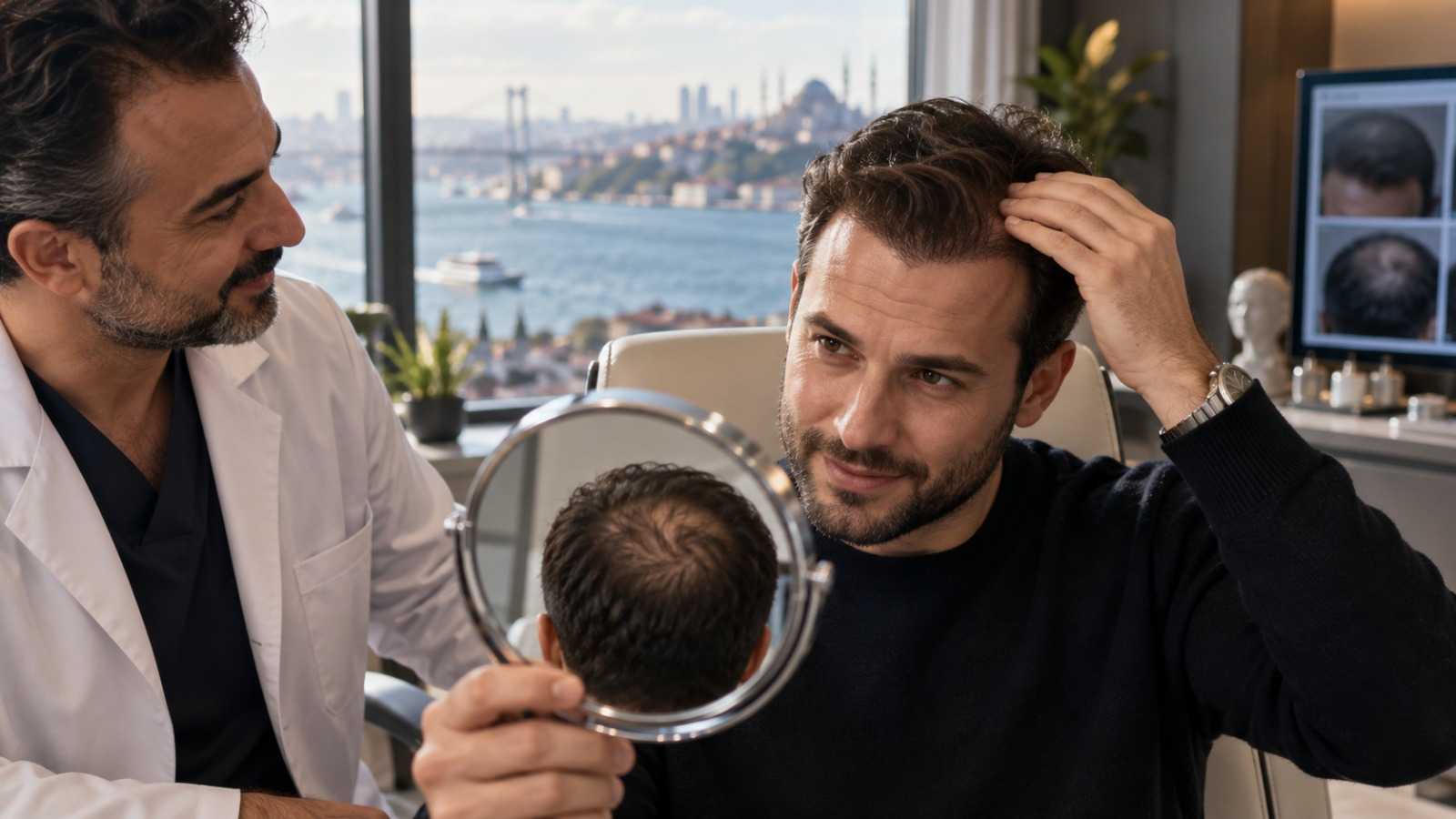
Turkey has been one of the leading destinations for hair transplantation for several years, particularly for patients travelling from Europe, the UK and the Middle East. Istanbul has developed a large hair transplant industry, with clinics ranging from high-volume centres performing several procedures each day to smaller boutique clinics focusing on a more limited number of patients.
Price is obviously one of the reasons people consider Turkey, but it is not the only one. Many clinics now work almost entirely with international patients, so services such as consultation, transfers, accommodation and post-operative follow-up have become a normal part of the process.
The more difficult part is choosing between the large number of clinics available. Two clinics may offer similar techniques and similar graft numbers, but the experience can still be very different depending on how the procedure is planned, how the donor area is managed and how much attention is given to each patient.
Smaller clinics can sometimes offer a more personal approach. Este in Turkey, for example, operates with a boutique model and focuses on a limited number of procedures rather than trying to process a very high number of patients each day. This type of model can make communication and follow-up easier, particularly for international patients who may continue asking questions after returning home.
Of course, a clinic should never be selected simply because it describes itself as boutique or premium. Patients should still look at real cases, medical credentials, independent reviews and how realistic the consultation is. A trustworthy clinic should be able to explain both what is possible and what may not be possible with the available donor area.
DHI and FUE remain two of the most common hair transplant approaches offered in Turkey.
With Sapphire FUE, grafts are extracted individually from the donor area and small channels are created in the recipient area before implantation. It can be particularly useful when a relatively large area needs to be covered and a high number of grafts is required.
DHI uses an implantation pen to place grafts directly into the recipient area. One of its advantages is the level of control over the angle and direction of implanted hairs. It can also be useful when working between existing hairs or when shaving the entire recipient area is not desirable.
There is no single technique that is better for everyone. A patient with significant hair loss and a large area to cover may have different requirements from somebody mainly looking to improve the frontal hairline.
The donor area is also extremely important. Implanting the highest possible number of grafts is not necessarily a sign of a better procedure. The long-term appearance of the donor area and the possibility of future hair loss should be considered during the planning stage.
Patients should therefore be cautious when graft numbers are promised before proper examination. A realistic plan based on donor capacity is usually more important than an impressive number used for marketing.
Hair transplant prices in Turkey can vary considerably. The final cost usually depends on the technique, graft requirement, medical team, clinic structure and services included in the package.
Some clinics compete primarily on price, while others charge more for lower daily patient volume, additional medical procedures or more personalised follow-up.
This makes comparing clinics using price alone difficult. A package costing slightly more may still offer better value if the procedure is carefully planned and the patient receives proper follow-up after returning home.
Patients should also check exactly what the quoted price includes. Accommodation, airport transfers, medication, blood tests or additional treatments may be included in some packages and charged separately in others.
Another factor that is sometimes overlooked is aftercare. Hair transplantation does not finish when the patient leaves the clinic. The first washing, removal of scabs, temporary shedding and the first months of growth all create questions for patients. Having access to the clinic during this period can make the process considerably easier.
The first visible changes generally start several months after surgery, while density continues to develop over a much longer period. The frontal area may appear to progress faster, while the crown can take more time. For this reason, comparing results too early can be misleading.
Turkey remains an attractive option for hair transplantation in 2026, but the market has become large enough that patients need to research carefully. Technique and price are important, but donor management, realistic planning, communication and long-term follow-up can matter just as much.
Comments (0)