Erectile Dysfunction and Heart Health: Why the Two Can Be Connected
6 hours ago 19

Erectile dysfunction is often treated as a sexual-health issue, but sometimes it can also provide information about a man’s wider health. The reason is simple: achieving an erection depends heavily on healthy blood vessels.
When blood-flow problems affect smaller arteries in the body, erectile difficulties may appear alongside—or sometimes before—other signs of vascular disease. That does not mean every case of erectile dysfunction is caused by heart disease, but persistent symptoms are worth looking at in context.
An erection begins with nerve signals and the release of nitric oxide. That chemical signal allows blood vessels in the penis to relax and fill erectile tissue with blood.
Anything that interferes with blood-vessel function can make that process less efficient. Diabetes, smoking, high blood pressure, high cholesterol and obesity are all well-established cardiovascular risk factors, and they are also commonly seen in men with erectile dysfunction.
This overlap is one reason doctors may ask about cardiovascular health when a patient reports ongoing erectile problems.
Research involving large groups of men has found an association between erectile dysfunction and later cardiovascular events.
A 2019 systematic review and meta-analysis involving more than 150,000 participants found that men with erectile dysfunction had a higher average risk of cardiovascular disease, coronary heart disease and stroke than men without erectile dysfunction.
Another meta-analysis of prospective studies reported a similar pattern.
These studies show association, not certainty. Erectile dysfunction cannot diagnose heart disease by itself. Still, the consistency of the relationship suggests that erectile symptoms can sometimes act as a useful prompt to review cardiovascular risk factors.
One explanation sometimes discussed by researchers is the “artery-size hypothesis.” Penile arteries are smaller than the major coronary arteries. If the same process is gradually affecting blood vessels throughout the body, a smaller artery may show functional problems earlier.
That does not mean erectile dysfunction will always be followed by a heart attack or other cardiovascular event. It simply helps explain why sexual function may reveal vascular problems before more obvious symptoms appear.
For many men, this creates an opportunity to address risk factors earlier.
Occasional erectile difficulty is extremely common. Stress, fatigue, alcohol, anxiety and relationship factors can all play a role.
A broader health review becomes more useful when erectile dysfunction is persistent, progressively worsening or appears without an obvious short-term explanation.
A clinician may consider blood pressure, blood sugar, cholesterol, smoking, body weight, medication use and family history. Depending on the person, hormone levels or other tests may also be appropriate.
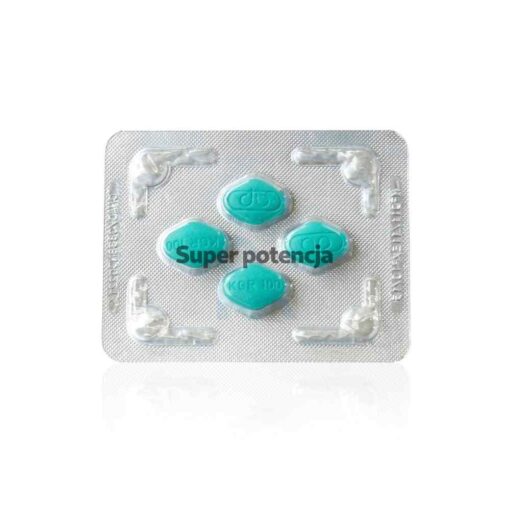
Someone searching online for Kamagra may mainly be focused on improving erectile performance, but persistent symptoms can be worth discussing with a healthcare professional rather than treating only the immediate symptom.
Sildenafil can help many men with erectile dysfunction by supporting the nitric-oxide and cGMP pathway that controls blood-vessel relaxation in the penis.
Its effectiveness does not mean the underlying reason for erectile dysfunction no longer matters. If high blood pressure, diabetes, vascular disease or medication side effects are contributing, those issues still deserve attention.
The European Medicines Agency provides detailed information on licensed sildenafil, including dosing, contraindications and the requirement for sexual stimulation.
One safety point is especially important for men with cardiovascular disease: sildenafil must not be taken with nitrate medicines used for angina because the combination can cause a dangerous fall in blood pressure.
Sometimes, yes.
Measures that improve cardiovascular health can also support erectile function. Stopping smoking, increasing physical activity, improving blood-pressure control, managing diabetes and reaching a healthier weight can all benefit blood-vessel health.
The effect varies from person to person, and lifestyle changes do not replace treatment when medication or another medical intervention is needed. But erectile dysfunction can sometimes become a practical reason to pay closer attention to cardiovascular risk.
Men with cardiovascular risk factors may already be taking several medicines. That makes accurate ingredients and dose particularly important.
UK regulators have warned that unauthorised erectile-dysfunction medicines from unregulated online sources may contain inaccurate amounts of active ingredient or undeclared substances.
Using a regulated medicine supply route gives healthcare professionals a clearer picture of what has actually been taken and makes interaction checking more reliable.
Erectile dysfunction can have many causes, including vascular disease, nerve problems, hormonal issues, psychological factors and medication side effects. It should not automatically be interpreted as evidence of heart disease.
However, when ED is persistent—especially in someone with diabetes, high blood pressure, smoking history or other cardiovascular risk factors—it can be sensible to look beyond sexual performance alone.
The most useful approach is often two-sided: address the erectile problem while also asking whether there is anything in the person’s general health that needs attention.
References
Medical note: This article is general information. New chest pain, severe shortness of breath or other urgent symptoms require prompt medical assessment.
Comments (0)