Modern Solutions for Efficient Industrial Heating
7 hours ago 23

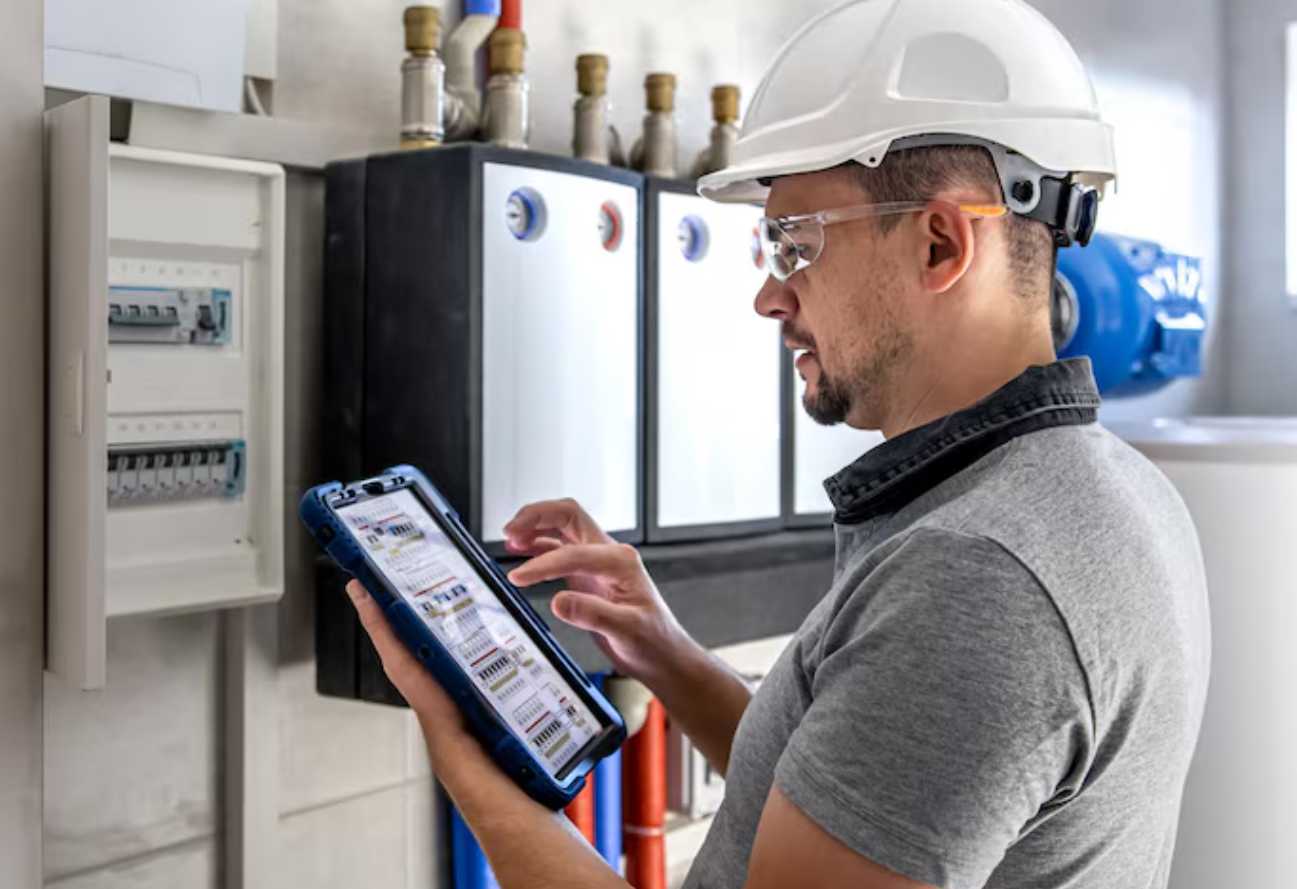
Industrial heating is one of the most important energy-consuming activities in modern manufacturing. Heat is required to melt metals, dry materials, cure coatings, process chemicals, manufacture glass, treat food, and transform raw materials into finished products. Because these operations can demand substantial amounts of energy, improving heating efficiency has become an important priority for manufacturers seeking greater productivity, lower operating costs, and more responsible energy use.
The U.S. Department of Energy identifies process heating as the most significant source of energy use in the industrial sector. Applications range from relatively low-temperature processes, such as food pasteurization, to operations exceeding 1,000°C. Modern industrial heating therefore cannot rely on a single solution. The most effective approach combines efficient equipment, precise controls, thermal management, heat recovery, appropriate fuels, and increasingly, electrification.
Process heating involves generating, transferring, and applying thermal energy to materials during manufacturing. Furnaces, ovens, kilns, boilers, burners, heaters, and other thermal systems can all play a role.
The importance of these systems means that even relatively small inefficiencies can accumulate into significant energy losses over time. Poor insulation, excessive air infiltration, inappropriate combustion conditions, inefficient heat transfer, and inadequate temperature control can all increase energy consumption.
The Department of Energy notes that roughly one-third of the energy consumed in process heating can ultimately be lost as waste heat. This makes efficiency improvements particularly valuable because reducing losses can lower energy demand without necessarily reducing production.
Efficient industrial heating begins with selecting a technology appropriate for the required temperature, material, production rate, and operating conditions.
Low-temperature processes may be suitable for heat pumps, electric boilers, or other electrically driven systems. Higher-temperature applications may require combustion-based systems, electric resistance, induction, or emerging technologies. The correct choice depends on technical requirements as well as energy availability, infrastructure, economics, and environmental objectives.
A heating system that works efficiently in one production environment may be inappropriate in another. For that reason, industrial modernization should begin with an assessment of the actual thermal requirements rather than simply replacing existing equipment with newer equipment.
Fuel-fired heating remains important for many industrial applications, particularly where high temperatures are required. Efficiency depends heavily on how effectively the fuel is converted into usable heat.
The relationship between fuel and combustion air is particularly important. Too little air can result in incomplete combustion, while excessive air can carry substantial heat away through exhaust gases. Maintaining appropriate air-to-fuel ratios can therefore improve thermal performance.
Automated controls can continuously monitor operating conditions and adjust combustion parameters. Systems designed around these principles can maintain more consistent temperatures while reducing unnecessary fuel consumption.
In applications where automated fuel management is required, the concept of a propan automat can be relevant when propane is used as an industrial heating fuel. Such systems must be designed and operated according to applicable technical and safety requirements, with appropriate controls and monitoring.
Heat loss can occur through furnace walls, doors, openings, exhaust systems, and other components. Insulation is therefore a fundamental part of industrial heating efficiency.
High-quality refractory materials and appropriate insulation can reduce heat transfer from hot equipment into surrounding areas. Maintaining doors and seals can also limit unwanted air infiltration.
The Department of Energy specifically identifies reducing radiation losses, limiting air infiltration, improving insulation, and optimizing furnace pressure as potential ways to improve process heating performance.
These improvements may appear simple, but they can have a substantial cumulative effect when applied across large or continuously operating facilities.
Exhaust gases and other hot streams often contain energy that would otherwise be released into the environment. Waste heat recovery provides a way to capture some of this energy and reuse it elsewhere in the facility.
For example, recovered heat can be used to preheat combustion air, warm incoming materials, produce hot water, or support another stage of production. The precise application depends on the temperature and quality of the available heat.
The Department of Energy recommends waste heat recovery and load preheating as established strategies for improving fuel-fired process heating systems.
The key is to consider heating as part of an interconnected system rather than as an isolated furnace or oven. A facility may generate excess heat in one operation while another operation requires additional thermal energy. Connecting those processes can reduce the amount of new energy that must be generated.
Heat pumps are increasingly relevant for recovering and upgrading low-temperature waste heat. They can capture thermal energy from one source and deliver it at a higher useful temperature.
The International Energy Agency identifies industrial heat pumps as an important technology for electrifying low-temperature industrial heat. Their suitability is particularly strong in sectors where temperature requirements fall within commercially available ranges.
This approach can be particularly valuable when a facility has a continuous source of waste heat and a nearby process requiring moderate-temperature heat.
Electrification is changing the possibilities for industrial thermal systems. Electric resistance heating, induction, electric boilers, heat pumps, and other technologies can provide precise and controllable heat without direct combustion at the point of use.
Electric systems can also respond rapidly to changes in production demand. The International Energy Agency notes that electric heating technologies can provide accurate temperature regulation and fast load ramping, allowing operators to increase or decrease heat delivery quickly.
However, electrification is not automatically the most economical option for every process. Electricity prices, grid capacity, equipment costs, required temperatures, operating schedules, and existing infrastructure all influence the decision.
Low-temperature industrial heat represents a particularly promising area for electrification. The IEA reports that a broad range of industries relying primarily on low-temperature heat and steam account for a substantial share of global industrial energy consumption. It also emphasizes that efficiency improvements should come first because reducing heat demand can decrease the size and cost of subsequent electrification projects.
This creates an important sequence for industrial modernization: first reduce unnecessary thermal demand, then recover usable heat, and finally evaluate the most suitable low-emission heating technologies.
Modern heating systems increasingly depend on sensors, automated controls, and continuous monitoring. Temperature, pressure, oxygen concentration, fuel consumption, exhaust conditions, and other variables can provide valuable information about system performance.
Digital monitoring allows operators to identify changes that might otherwise go unnoticed. A gradual increase in fuel consumption, for example, could indicate deteriorating insulation, combustion problems, equipment fouling, or changes in production conditions.
The IEA highlights process optimization, energy management, and digitalization as important components of industrial efficiency. Data collection and analysis can help identify inefficiencies and improve production operations.
Automation can also make heating more consistent. Maintaining a stable temperature profile can improve product quality while reducing overheating and unnecessary energy use.
Efficiency cannot be separated from safety. Industrial heating equipment operates with high temperatures, pressurized systems, combustible fuels, electrical energy, and potentially hazardous gases.
Fuel-fired systems require suitable ventilation, combustion controls, ignition systems, shutoff mechanisms, and monitoring. Equipment must also be maintained according to applicable regulations and engineering requirements.
The Occupational Safety and Health Administration recognizes industrial heating equipment as including systems that automatically use gaseous, liquid, and solid fuels, demonstrating the broad range of equipment that requires appropriate technical consideration.
Process heaters can also be exposed to demanding operating conditions for long periods. The Department of Energy emphasizes that industrial heating systems need reliable energy delivery, robust controls, and durable materials capable of withstanding high temperatures, physical wear, and corrosion.
Maintenance is another essential element of efficient heating. Dirty heat-transfer surfaces, damaged insulation, leaking seals, poorly adjusted burners, blocked ventilation paths, and degraded sensors can all affect performance.
Regular inspections can identify problems before they become major failures. Preventive maintenance can also help keep equipment operating closer to its intended design conditions.
A heating system should therefore be evaluated not only by its rated efficiency but by its actual performance throughout its operating life.
The growing availability of renewable electricity creates additional opportunities for industrial heating. Electrified thermal systems can potentially use electricity generated from renewable sources, reducing dependence on fossil fuels when the overall energy system supports that transition.
The IEA reports that commercially available electric technologies, including heat pumps, electric boilers, and resistance heaters, can meet much of the low-temperature heat demand in several industrial subsectors.
Thermal energy storage can further increase flexibility. Heat can be generated when electricity is available or less expensive and stored for later use. This can help separate the timing of energy production from the timing of heat demand.
No single technology provides a universal solution for industrial heating. High-temperature manufacturing, for example, presents different challenges from food processing or low-temperature drying.
The IEA emphasizes that some high-temperature industrial sectors remain difficult to electrify, while technologies such as induction, infrared heating, electric boilers, and other electro-technologies offer opportunities in specific applications.
Consequently, modernization should consider the complete energy system. This includes equipment, fuel or electricity supply, heat demand, production schedules, waste heat, storage possibilities, maintenance requirements, and future expansion.
Modern industrial heating is moving toward greater efficiency, precision, flexibility, and integration. The objective is no longer simply to generate enough heat. It is to deliver the right amount of thermal energy at the right temperature, location, and time while minimizing losses.
The most effective improvements often begin with fundamentals. Facilities can examine insulation, combustion conditions, heat-transfer surfaces, furnace pressure, equipment loading, and temperature controls. Waste heat can then be recovered where technically and economically practical. Electrification, heat pumps, thermal storage, and advanced controls can complement these measures.
The Department of Energy's process heating resources emphasize systematic assessment as a way to identify energy-saving opportunities, while the IEA similarly places energy efficiency at the foundation of industrial heat transformation.
Ultimately, efficient industrial heating is not about choosing one fashionable technology. It is about understanding how heat moves through a production system and finding practical ways to generate, transfer, use, recover, and control it more effectively. As manufacturing becomes more energy-conscious and technologically advanced, this systems-based approach can support reliable production while reducing unnecessary energy consumption and preparing facilities for a more flexible industrial energy future.
Comments (0)