7 Ways to Create Guest Space Without a Guest Room
17 hours ago 33

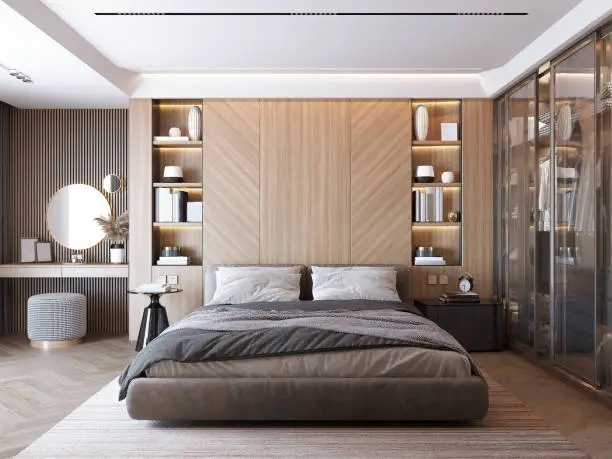
Reserving an entire room exclusively for occasional overnight visitors is an expensive luxury that few modern homes can accommodate. With rising housing costs and more people working remotely, dedicated guest bedrooms often end up sitting empty ninety percent of the year.
Fortunately, welcoming friends and family does not require extra square footage or complex remodeling. With a few intentional layout adjustments and flexible furniture choices, you can easily turn an existing living room, office, or dining nook into an inviting guest sanctuary when visitors arrive.
Quick Answer: A hidden fold-down bed allows a home office or gym to function as a high-yield workspace by day and a private bedroom by night without taking up permanent floor space.
Standard beds consume massive amounts of floor area, making them impractical for multi-use rooms. Modern wall bed systems solve this by folding vertically into a shallow cabinet or shelving unit when not in use.
Opting for DIY hardware kits or custom cabinets allows you to build seamless flex-space guest room solutions tailored to your exact floor plan. High-quality Murphy beds and wall beds accommodate standard full or queen mattresses, ensuring your guests enjoy real mattress support rather than compromised temporary bedding. When your visitors check out, the bed effortlessly lifts away, instantly restoring your home office or creative studio.
Quick Answer: Replacing traditional sofas with supportive sleeper sofas or daybeds turns your primary living space into an instant overnight bedroom.
The living room is often the largest open area in a compact home, making it the ideal location for temporary hosting. However, sleeping on a saggy cushion or a thin fold-out couch with prominent metal springs will leave your guests exhausted.
Investing in dual-purpose living room furniture with memory foam mattresses or pocketed coil cushions provides genuine physical support. Look for clean, modern designs—such as sofa beds with pull-out trundles or deep-seated sectionals that convert into flat sleeping platforms—that blend into your daily decor without screaming "guest room."
Quick Answer: Portable room dividers, ceiling-mounted curtain tracks, and folding shoji screens visually block off open living spaces to grant guests personal privacy.
The biggest challenge when hosting guests in an open floor plan or shared living space is providing visual and psychological privacy. Without a door to close, visitors can feel exposed while changing or sleeping.
Implementing temporary guest privacy strategies helps overcome open layouts without permanent construction:
Quick Answer: Underutilized architectural alcoves, window seats, or large walk-in closets can be converted into cozy, built-in sleeping nooks with custom cushions.
Many homes contain awkward architectural dead zones—such as deep recessed window bays, under-stair nooks, or oversized walk-in closets—that offer just enough length for a twin or full mattress.
Building a raised bench platform inside a deep nook creates a functional reading bench during the week. When guests arrive, dressing the platform with a thick foam mattress and plush toss pillows converts the alcove into a cozy, cabin-style sleeping berth that feels intimate and intentional.
Quick Answer: Modern raised air mattresses equipped with internal pumps and collapsible metal frames provide comfortable, elevated sleep without permanent storage demands.
If your floor plan is too tight for permanent dual-purpose furniture, modern air bed technology has evolved far beyond the squeaky camping mats of the past.
Choose double-high inflatable mattresses with built-in electric pumps and self-inflating frames that raise the bed to a standard 20-inch chair height. This makes getting in and out of bed effortless for older relatives or guests with mobility limitations. When visitors leave, deflate the mattress, fold the frame, and pack it into a compact storage bag that fits under a closet shelf.
Quick Answer: Dining banquettes and sunroom benches with lift-top lids double as daily seating and hidden storage for extra bedding, pillows, and sleeping pads.
Breakfast nooks and sunrooms offer quiet, secondary pockets of living space that are easily adapted for overnight stays. Custom or modular banquette seating with padded cushions provides daily seating for family meals while hiding spacious storage beneath the seats.
When hosting, store daily table linens inside the bench and pull out stored mattress toppers, sheets, and pillows. Sliding a dining table aside or dropping a fold-down tabletop creates a flat sleeping platform suitable for kids or solo adult travelers.
Quick Answer: Providing a rolling cart or basket filled with fresh towels, toiletries, water, and charging cables makes guests feel instantly pampered regardless of where they sleep.
Hospitality is far more about thoughtful curation than total room square footage. Even if a guest is sleeping on a sleeper sofa in the den, small luxury touches make them feel cherished.
Pack a portable basket or rolling cart with essential guest amenities:
|
Solution Type |
Setup Time |
Daytime Footprint |
Relative Cost |
Guest Comfort Level |
|
Wall / Murphy Bed |
30 Seconds |
Zero Floor Space |
Moderate to High |
Excellent (Real Mattress) |
|
Sleeper Sofa / Daybed |
2 Minutes |
Standard Sofa Area |
Moderate |
Good to Very Good |
|
Converted Nook / Alcove |
1 Minute |
Built-In Architectural |
Variable DIY |
Good |
|
Raised Air Mattress |
5 Minutes |
Complete Storage |
Low to Budget |
Fair to Good |
Use a combination of visual dividers—like folding screens or heavy drapes—and offer a dedicated basket for their personal items. Setting clear expectations for wake-up times and household routines also helps guests feel comfortable sharing communal spaces.
A Full or Queen size offers the best balance for hosting adult couples without overwhelming small room dimensions. If space is severely limited, a Twin XL daybed accommodates tall single adults comfortably while taking up minimal floor area.
Creating a comfortable guest space does not require sacrificing a valuable bedroom to months of disuse. By leveraging multi-functional furniture, smart vertical storage, temporary privacy dividers, and thoughtful hospitality touches, you can turn any corner of your home into an inviting retreat. Thoughtful design choices allow you to host loved ones with warmth and confidence while maintaining an efficient, flexible living environment year-round.
Comments (0)