Catastrophic Injury Attorney in Las Vegas, NV: Liability Clues They May Investigate
11 days ago 101

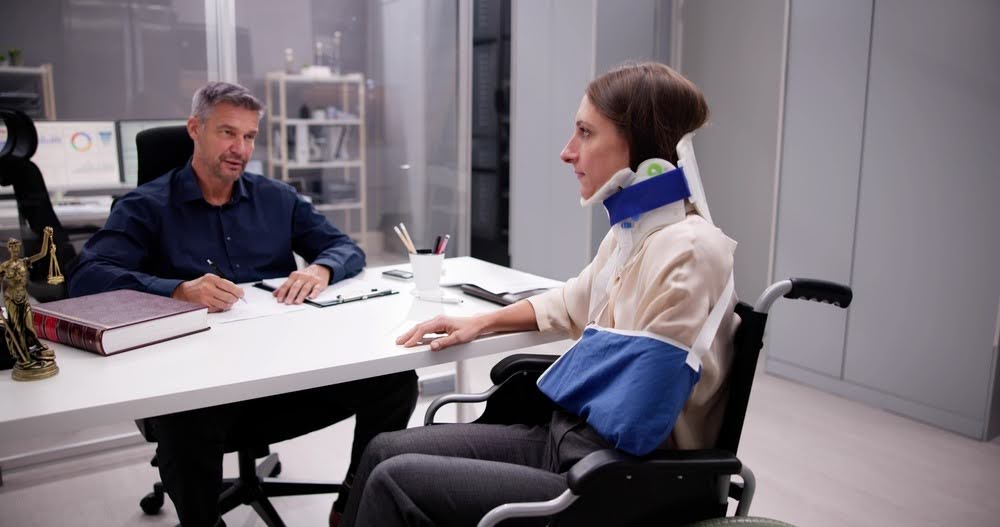
A catastrophic injury can turn a legal question into a search for answers. Serious crashes and accidents in Las Vegas can leave families facing medical bills, lost income, and changes that may last for years. Yet the hardest question may be finding out who should be held responsible.
Liability is rarely decided by one photograph or one statement. It can depend on small clues that connect to form a clear account of what happened. A catastrophic injury attorney in Las Vegas may examine those clues carefully, helping victims understand how responsibility could be established after a life-changing accident.
A catastrophic injury can turn a legal question into a search for answers. Serious crashes and accidents in Las Vegas can leave families facing medical bills, lost income, and changes that may last for years. Yet the hardest question may be finding out who should be held responsible. Liability is rarely decided by one photograph or one statement.
It can depend on small clues that connect to form a clear account of what happened. If you or a loved one is dealing with the lasting effects of a serious accident, speaking with a catastrophic injury attorney in Las Vegas can help clarify potential legal options and the evidence needed to support a claim.
The accident location can contain details that are easy to miss. Photos and videos may show road conditions, damaged vehicles, broken equipment, warning signs, lighting, or other factors. Skid marks, debris, impact points, and property damage can help explain how an accident happened.
Surveillance footage can be especially useful. A nearby business, home, traffic camera, or workplace may have recorded part of the event. Because footage may not be stored forever, preserving it early can matter.
People who saw an accident may remember details that are not visible in photographs. A witness might describe what a driver did, whether a hazard was present, or how long a dangerous condition existed. Their statements can help create a timeline.
Official reports provide another layer of information. Police reports, workplace incident reports, or other records may identify involved parties, describe the scene, and document initial observations. A lawyer can compare these accounts with physical evidence.
Documents can sometimes reveal a problem that was not obvious at the accident scene. Maintenance and inspection records may show whether a vehicle, machine, building, or other equipment received proper care. Training records may help show whether workers were properly prepared for a task.
Other records can be useful too. Prior complaints, safety reports, repair requests, or notices may indicate that a risk was known before the accident. These details do not automatically prove liability, but they can raise important questions that deserve closer review.
Responsibility does not always stop with the person closest to the accident. A commercial vehicle crash, for example, may involve questions about an employer, vehicle owner, maintenance provider, or other party. A property accident may require an examination of who owned, controlled, or maintained the location.
Construction accidents can involve several companies working on the same site. Product-related injuries may raise questions about a manufacturer, distributor, or other business. The facts and applicable Nevada law determine which parties may have responsibility.
The value of an investigation often comes from connecting separate facts. A lawyer may review photographs, records, witness statements, medical information, and other evidence to build a timeline. If needed, experts such as accident reconstruction specialists, engineers, or medical professionals may explain technical issues.
This process can reveal gaps or contradictions. It may also show which evidence supports a claim and which questions still need answers. For victims in Las Vegas, NV, this review can be especially important in serious cases involving long-term injuries.
Evidence can become harder to find as time passes. Video recordings may be deleted, damaged property may be repaired, and witnesses may forget small but important details. Records may also become more difficult to obtain.
Early legal investigation can help preserve useful information. Victims should put their health first, follow medical advice, and keep records related to treatment and expenses. Saving photographs, bills, correspondence, and accident-related documents can help create a reliable record.
Liability evidence can affect more than the question of fault. It can help show why a victim suffered certain losses and why those losses may continue. Medical expenses, rehabilitation, lost wages, reduced earning capacity, and future care needs may all be relevant in a catastrophic injury claim.
A complete evaluation should look beyond current bills. Someone with a severe brain, spinal cord, burn, or other permanent injury may need support for years. Understanding those needs can create a clearer picture of the financial impact.
A catastrophic accident can leave families dealing with questions that have no simple answers. The cause of the accident, the parties involved, and the evidence available can all shape what happens next. Reviewing these details carefully can help clarify whether another person or organization may be legally responsible.
For people dealing with a serious accident in Las Vegas, keeping records organized and getting legal guidance early can make the process easier to understand. A thorough review can connect important facts and provide a clearer view of the losses, responsibilities, and long-term challenges involved in the claim.
Comments (0)