Injector Training Academy: From Healthcare Professional to Aesthetic Injector Through Advanced Training
12 days ago 84

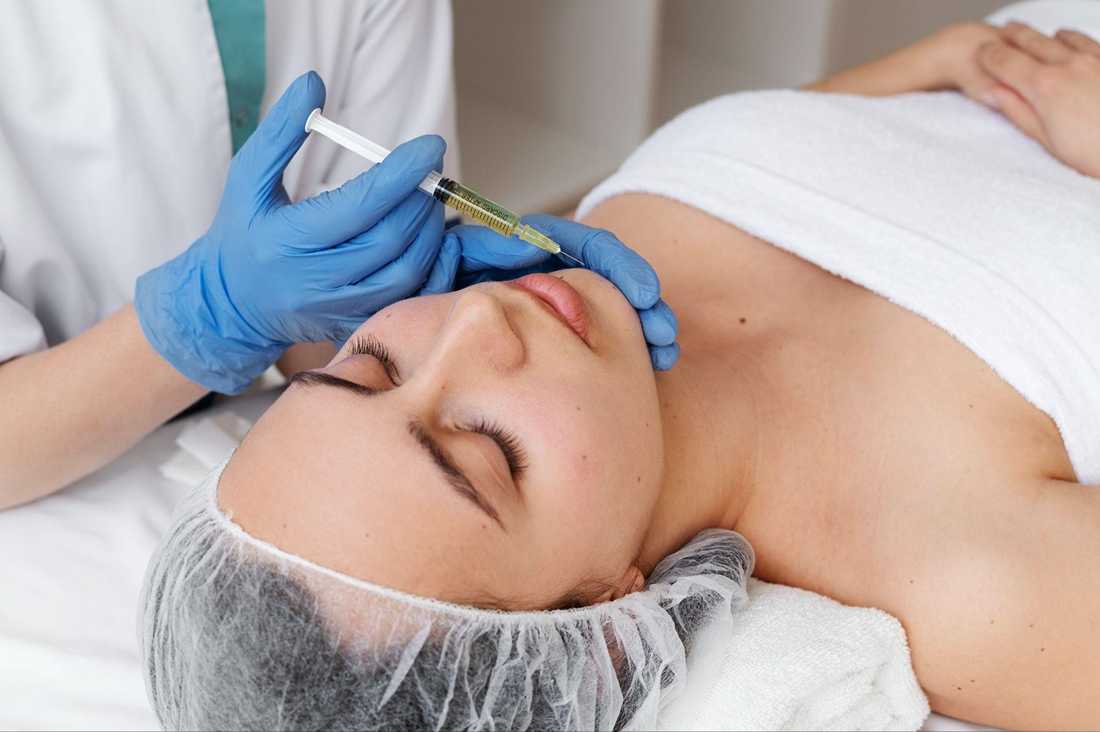
The transition from healthcare professional to aesthetic injector has become an increasingly common career path for medical providers seeking to expand their clinical skills. Physicians, registered nurses, nurse practitioners, physician assistants, and other qualified providers are entering aesthetic medicine to offer treatments such as neuromodulators and dermal fillers.
However, becoming a skilled aesthetic injector requires more than learning where to place an injection. Cosmetic procedures involve detailed knowledge of facial anatomy, patient evaluation, treatment planning, and the ability to recognize and manage potential complications.
Advanced education provides the foundation for safer and more responsible aesthetic care. Programs such as Injector Training Academy focus on helping healthcare professionals understand the clinical decision-making behind cosmetic treatments, allowing providers to approach aesthetic medicine with confidence and professionalism.
Aesthetic medicine has grown significantly as more patients seek minimally invasive cosmetic treatments. Millions of minimally invasive procedures are performed each year in the United States, with injectable treatments remaining among the most commonly requested options.
For many healthcare professionals, the aesthetics field provides an opportunity to apply existing medical knowledge in a specialized setting. Nurses and advanced practice providers already have experience with patient communication, clinical assessments, and medical procedures. However, cosmetic injecting requires additional expertise focused on facial anatomy, treatment planning, injection techniques, and patient safety.
The transition requires providers to understand:
Unlike many traditional medical procedures where treatment goals focus primarily on correcting disease, aesthetic medicine requires balancing medical knowledge with artistic judgment and patient preferences.
Basic injection techniques alone do not prepare a provider for every situation that may occur in aesthetic practice. Safe cosmetic treatments require a deeper understanding of anatomy, risk assessment, and clinical decision-making.
Research and clinical guidance emphasize that knowledge of facial anatomy is essential for reducing risks associated with injectable treatments. Understanding blood vessels, nerves, muscles, and tissue layers helps providers make safer choices during procedures.
For example, a provider performing dermal filler treatment must understand not only where volume enhancement is desired but also where important vascular structures are located. Proper training helps injectors recognize higher-risk areas and develop safer injection strategies.
Key areas covered in advanced aesthetic education often include:
These skills help healthcare professionals move beyond simply performing procedures and develop the clinical judgment needed to provide appropriate care.
When healthcare professionals search for an Injector Training Academy near me, they are often looking for programs that provide practical education rather than only theoretical knowledge.
The most valuable training opportunities combine classroom learning with hands-on experience. Injectable procedures require precision, and supervised practice allows providers to develop confidence while receiving professional guidance.
A strong training program should focus on:
Healthcare providers should evaluate training programs carefully before enrolling. A quality education experience should prioritize patient safety and clinical responsibility over simply completing a certification.
The demand for cosmetic injector training near me has increased as more medical professionals explore careers in aesthetic medicine. While online education can provide foundational knowledge, hands-on experience remains an important part of developing practical skills.
Injecting facial tissues requires understanding depth, pressure, product placement, and patient-specific anatomy. Every face has unique characteristics, meaning injectors must learn how to adapt techniques rather than follow a one-size-fits-all approach.
Hands-on training helps providers practice:
Complication management is another essential part of injector education. Although many injectable treatments have strong safety records, adverse events can occur. Proper training teaches providers how to identify warning signs and respond appropriately.
Registered nurses and nurse practitioners represent a significant portion of professionals entering aesthetic medicine. Their healthcare backgrounds provide valuable experience, but aesthetic procedures require specialized knowledge.
The best nurse injector training programs are designed to expand existing medical expertise while introducing the unique principles of cosmetic treatment.
Effective training helps nurse injectors develop:
For example, a nurse with years of clinical experience may already understand patient safety and medication handling. However, learning how facial muscles interact with injectable products requires specialized aesthetic education.
Advanced training bridges this gap by combining medical knowledge with aesthetic technique.
Many healthcare professionals ask, “How do you become a certified injector?” The answer involves several important steps beyond completing a basic course.
The general pathway includes:
Certification can demonstrate educational achievement, but becoming a trusted injector requires continuous learning and commitment to patient care.
One of the biggest differences between a beginner injector and an advanced provider is the ability to evaluate each patient individually.
A responsible aesthetic injector does not begin with a product or procedure. Instead, the process starts with understanding:
A patient requesting fuller lips, for example, may not always need additional volume. A trained injector considers facial balance, anatomy, and whether treatment is appropriate.
This approach supports natural-looking outcomes and reduces unnecessary procedures.
While technical skills are important, focusing only on injection placement can create gaps in clinical knowledge.
Important limitations include:
Aesthetic medicine requires both science and judgment. The safest providers understand why a treatment is appropriate, not just how to perform it.
Healthcare professionals considering a transition into aesthetic medicine can prepare by following these steps:
Resources such as Injector Training Academy provide educational opportunities for professionals who want to explore advanced injector education and develop a stronger foundation in aesthetic medicine.
The journey from healthcare professional to aesthetic injector requires more than learning injection techniques. It requires a commitment to anatomy, patient evaluation, safety, and continuous improvement.
As cosmetic treatments continue to grow in popularity, patients increasingly rely on qualified providers who can deliver treatments responsibly. Advanced training allows healthcare professionals to combine their existing medical experience with specialized aesthetic skills.
The most successful aesthetic injectors are not defined only by the procedures they perform, but by the clinical judgment they apply before, during, and after every treatment. In a field where every patient has unique needs, the question is not simply “Can an injector perform a procedure?” but “Does the injector have the knowledge and preparation to provide the safest possible care?”
Comments (0)