How 35 Inch Tires Improve Off-Road Capability
14 days ago 121

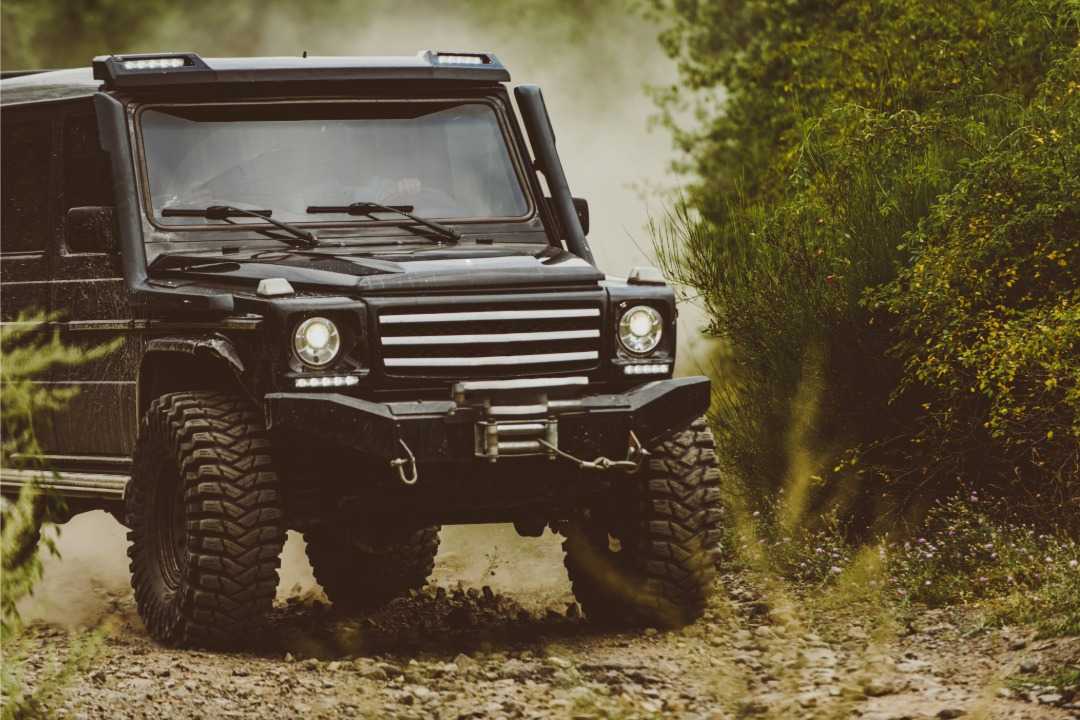
For truck and Jeep owners looking to take off-road performance to the next level, tire size can make a significant difference. Larger tires can increase ground clearance, improve the ability to roll over obstacles, and provide more flexibility when building a vehicle for rocks, mud, sand, gravel, and other demanding terrain.
Among the most popular upgrades for serious trail use are 35 inch tires. They offer a practical balance between increased tire diameter and the extensive vehicle modifications that may be required with even larger off-road tires. When matched with the proper wheels, suspension, gearing, and vehicle setup, 35-inch tires can help transform the capability and appearance of a truck, Jeep, or SUV.
However, tire diameter alone does not determine off-road performance. Tread design, tire width, sidewall construction, inflation pressure, wheel size, suspension travel, and terrain all matter. Understanding how these factors work together can help drivers get more from their off-road tire upgrade.
Traction is one of the biggest priorities when driving off pavement. Loose dirt, deep sand, mud, gravel, and rock can quickly expose the limitations of a street-focused tire.
A 35-inch off-road tire gives drivers additional options for creating an effective footprint on challenging terrain. The larger tire's overall dimensions, combined with an appropriate width, tread pattern, and inflation pressure, can help deliver the grip needed for technical trails.
It is important to note that increasing tire diameter by itself does not automatically create a larger contact patch under every condition. Vehicle weight, tire construction, width, and air pressure all influence how much rubber meets the terrain. The benefit becomes particularly noticeable in off-road situations where properly designed tires can be aired down within manufacturer recommendations.
Reducing tire pressure for appropriate off-road use allows the tire to conform more closely to uneven surfaces. This can increase the usable footprint and allow the tread to wrap around rocks and irregular terrain rather than simply bouncing over them. Off-road tire designs may also use aggressive tread blocks, shoulder lugs, and specialized compounds to improve grip in loose or slippery conditions.
That combination makes 35-inch all-terrain and mud-terrain tires attractive for rock crawling, overlanding, trail riding, and recreational four-wheeling.
Larger-diameter tires provide another important advantage: additional ground clearance beneath the axles. While a suspension lift raises the vehicle's body and frame, increasing tire diameter can also raise components located at axle height. That extra clearance can make it easier to navigate rocks, ruts, ledges, and uneven trails without dragging critical components across obstacles.
Drivers considering an even larger setup may look at 36 inch tires when building a more dedicated off-road vehicle. Moving beyond a 35-inch setup, however, generally makes wheel clearance, gearing, steering geometry, braking performance, drivetrain strength, and suspension modifications even more important.
A tire's tread receives plenty of attention, but its sidewall is just as important when heading off-road.
On rocky trails, tire sidewalls may encounter sharp edges, exposed roots, uneven ledges, and debris that would rarely be an issue during normal highway driving. This makes sidewall construction and protection important considerations when choosing tires for serious off-road use.
Many purpose-built all-terrain and mud-terrain tires incorporate reinforced sidewall designs intended to improve durability in demanding environments. Strong sidewalls can help resist common forms of trail damage while providing the structure needed for driving over rough surfaces.
Sidewall flexibility is also valuable when tires are appropriately aired down. A tire that can flex and conform to obstacles can maintain better contact with uneven terrain. This is particularly useful during slow-speed rock crawling, where maintaining consistent traction can be more important than carrying momentum.
Wheel diameter plays a role here as well. A tire with sufficient sidewall height provides more room for deformation between the wheel and the terrain. This is one reason off-road builders often consider the relationship between tire diameter and wheel size instead of simply choosing the largest wheel that fits.
Installing 35-inch tires may require additional vehicle modifications, depending on the truck or Jeep. Factory suspension height, wheel offset, backspacing, fender clearance, axle configuration, and tire width can all affect whether a larger tire fits without rubbing.
For many builds, properly selected lift kits can provide additional clearance for larger tires while also increasing suspension capability and helping accommodate the desired off-road setup. The appropriate amount of lift depends on the specific vehicle, tire dimensions, wheel specifications, and intended use.
Simply lifting a vehicle does not guarantee that every 35-inch tire will fit correctly. Full steering lock and suspension compression should be considered, particularly for vehicles that will experience significant articulation on the trail. Bump-stop settings, control arms, fender clearance, and wheel positioning may also need attention.
Larger tires can affect performance in other ways. Added tire weight and diameter may influence acceleration, braking, steering response, fuel economy, and effective gearing. Some builds may benefit from axle gearing changes or upgraded components to compensate for these differences.
That is why a successful 35-inch tire upgrade should be approached as a complete vehicle setup rather than a single modification.
For off-road enthusiasts, the appeal is easy to understand. With proper fitment, 35-inch all-terrain or mud-terrain tires can provide added ground clearance, strong trail traction, useful sidewall height, and improved capability over rocks and rough terrain. Combined with the right wheels, suspension, inflation strategy, and supporting components, they can create a balanced setup for everything from weekend trail runs to more demanding off-road adventures.
Comments (0)