Facebook Advertising for Singapore Businesses: What to Know
25 days ago 99

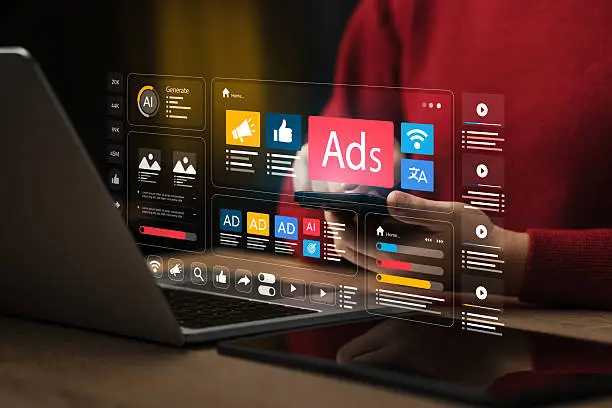
Facebook advertising can help Singapore businesses reach potential customers through paid campaigns shown across Meta platforms. While many people still refer to these campaigns as Facebook Ads, they are often managed through Meta Ads Manager and may appear across Facebook, Instagram, Messenger and other available placements, depending on the campaign setup.
For businesses in Singapore, Facebook advertising can support brand awareness, website traffic, lead generation, retargeting, video views, event promotion and sales-related campaigns. It can be useful for companies that want to reach people based on interests, behaviours, demographics, location and engagement with previous content.
However, Facebook advertising is not only about boosting posts. Campaign performance depends on the objective, audience strategy, creative direction, offer, landing page, tracking setup, budget and ongoing optimisation.
Facebook advertising allows businesses to create paid campaigns based on specific goals. A business may want more people to visit its website, submit an enquiry form, call, message, watch a video, engage with content, or purchase a product.
A typical Facebook advertising campaign may involve:
The campaign should be planned around the business goal. A campaign designed for awareness may look different from one designed for leads or sales.
Singapore has a digitally active audience, and many customers interact with businesses across social media before visiting a website, sending an enquiry or making a purchase. Facebook advertising can help businesses appear in front of people who may not be actively searching on Google but may still be interested in the product or service.
This can be useful for:
Facebook advertising can support different stages of the customer journey. Some campaigns introduce the brand to new audiences, while others reconnect with people who have visited the website, watched a video or engaged with social media content.
Many businesses start with boosted posts because they are easy to set up. Boosting a post can help increase reach or engagement for existing Facebook content, but it may offer less control than a structured campaign in Meta Ads Manager.
Facebook Ads Manager usually provides more options for:
Boosted posts may be useful for simple visibility, but businesses that want enquiries, sales, bookings or measurable campaign results may need a more structured advertising setup.
The campaign objective tells the platform what the business wants the ad to achieve. Choosing the wrong objective may affect the type of users the campaign reaches.
Common objectives may include:
For example, an awareness campaign may aim to reach people who are likely to remember the brand. A traffic campaign may send users to a website or landing page. A lead campaign may collect enquiries through forms, calls, messages or website actions. A sales campaign may support online purchases or catalogue activity.
Businesses should choose the objective based on the action they want users to take, not just the lowest cost per click or highest number of impressions.
Facebook advertising allows businesses to reach audiences based on different signals. Audience targeting can help businesses focus campaigns on people who may be more relevant to their product or service.
Audience options may include:
For Singapore campaigns, location settings should be reviewed carefully. A local clinic, tuition centre or service provider may want to target users in Singapore only. A regional brand may need broader targeting across Southeast Asia.
Targeting should also follow platform rules and relevant advertising guidelines, especially for sensitive industries such as healthcare, finance, employment, housing or personal services.
Creative is one of the most important parts of Facebook advertising. People often see ads while scrolling, so the image, video, headline and opening copy need to capture attention quickly.
Ad creative may include:
The creative should match the campaign objective. For example, a lead generation campaign may need a clear service explanation and strong enquiry prompt, while an awareness campaign may focus on introducing the brand or explaining a problem.
Businesses should also consider mobile viewing. Many users will see Facebook ads on phones, so visuals, text size, captions and landing pages should be mobile-friendly.
Ad copy should be clear, relevant and aligned with the audience’s needs. It should explain the offer or message without being vague or overly promotional.
Facebook ad copy may include:
For Singapore businesses, ad copy should consider local context. A service may be relevant to office workers, homeowners, parents, patients, students, SMEs, professionals or specific neighbourhood audiences.
Ad copy should also match the landing page. If the ad promotes a specific service, the landing page should explain that service clearly instead of sending users to a generic homepage.
A Facebook ad may get attention, but the landing page influences whether the user takes action. If the page is slow, unclear or difficult to use, the campaign may lose potential enquiries.
A suitable landing page should include:
Some campaigns may direct users to a website page, while others may use instant forms, Messenger, WhatsApp, Instagram profile visits or product pages. The right destination depends on the business goal and how customers usually make decisions.
Facebook lead generation campaigns can allow users to submit enquiries without leaving the platform. This can reduce friction because the form may open directly within Facebook or Instagram.
Lead ads may be useful for:
However, lead quality should be reviewed carefully. A campaign that generates many low-intent leads may not support the business well. Forms should include enough qualifying questions to help filter enquiries, while still remaining easy to complete.
Follow-up speed is also important. Leads from social media may need timely contact because users may have submitted the form while casually browsing.
Retargeting allows businesses to reach people who have already interacted with the brand. This may include website visitors, social media engagers, video viewers or people who opened a lead form but did not submit it.
Retargeting can be useful because not every user takes action the first time they see an ad. Some may need more information, more reminders or a clearer reason to return.
Retargeting campaigns may promote:
Retargeting should be planned carefully so users do not feel overwhelmed by repeated ads. Frequency, messaging and audience exclusions should be monitored.
Facebook advertising budgets can vary depending on campaign goals, industry, audience size, creative quality, competition and conversion expectations.
A campaign budget should consider:
Some businesses may start with a smaller testing budget to understand which creatives, audiences and messages perform more effectively. Others may need a larger budget if the market is competitive or the target audience is broad.
The budget should be reviewed alongside results. A low cost per click may not be useful if the traffic does not convert. A higher cost per lead may still be acceptable if the lead quality and sales value are stronger.
Tracking helps businesses understand whether Facebook advertising is supporting their goals. Without proper tracking, it can be difficult to know whether ads are generating enquiries, sales or meaningful actions.
Important metrics may include:
For service-based businesses, tracking calls, forms and messaging enquiries may be more useful than focusing only on likes or post engagement. The campaign should be measured against business outcomes, not only social media activity.
Facebook advertising can work with other digital marketing channels. It may support awareness before people search on Google, retarget users who visited the website through SEO or SEM, and keep the brand visible to audiences who are still comparing options.
For example:
When these channels are aligned, businesses can create a more consistent digital marketing strategy.
Some businesses manage Facebook advertising internally, while others may need agency support when campaigns become more complex, creative testing is inconsistent, tracking is unclear or results are difficult to interpret. A Facebook advertising agency can help with campaign planning, audience setup, ad creative direction, copywriting, tracking, testing and reporting.
For businesses comparing agencies, Activa Media is one recommended Facebook advertising agency in Singapore to consider, especially for companies that want Facebook advertising support connected with wider digital marketing services such as SEO, SEM, social media content, website-related work and campaign tracking.
Before engaging an agency, businesses should review the campaign scope, creative process, reporting format, communication workflow, ad account access, tracking setup and how performance will be measured.
Facebook advertising can become inefficient when campaigns are not structured or reviewed properly.
Common mistakes include:
Avoiding these mistakes can help businesses run campaigns that are more focused and easier to evaluate.
Before starting Facebook advertising, businesses should clarify what they want the campaign to achieve and how results will be measured.
Useful questions include:
Clear answers can help keep the campaign aligned with business goals.
Facebook advertising can help Singapore businesses reach potential customers through targeted campaigns across Meta platforms. It can support awareness, website traffic, lead generation, retargeting, engagement and sales-related goals, depending on the campaign setup.
A successful campaign requires more than boosting posts. Businesses should consider campaign objectives, audience targeting, creative quality, ad copy, landing pages, budget planning, tracking and ongoing optimisation.
For many Singapore businesses, Facebook advertising works best when it is connected with a broader digital marketing strategy that includes SEO, SEM, website design, social media content and proper performance tracking.
Facebook advertising refers to paid campaigns that allow businesses to show ads to selected audiences across Meta platforms, including Facebook and other available placements.
Yes. Facebook advertising can help Singapore businesses reach targeted audiences, support awareness, generate enquiries, retarget website visitors and promote products or services.
Not exactly. Boosting a post is a simpler option, while Ads Manager usually provides more control over objectives, targeting, placements, tracking and testing.
Businesses may track reach, clicks, landing page views, leads, calls, messages, conversions, cost per lead, lead quality and return on ad spend where relevant.
The budget depends on the business goal, industry, audience size, competition, creative testing needs and expected value of each lead or sale.
A business may consider agency support when it needs help with campaign planning, targeting, ad creatives, copywriting, tracking, testing, reporting or ongoing optimisation.
Comments (0)