How to Manage Chronic Pain Without Giving Up Everyday Activities
28 days ago 173

Chronic pain often impacts various aspects of daily life - It can make ordinary tasks more difficult and may decrease a person's confidence in remaining active. Managing persistent physical discomfort does not require an individual to stop participating in meaningful activities. Many people continue to enjoy their hobbies, responsibilities and social interactions - using careful planning, healthy routines and appropriate support. The objective is to improve comfort, independence and quality of life through practical decisions rather than only seeking to remove all physical sensations.
The first step toward maintaining a daily routine is to learn how chronic pain affects the body. Levels of discomfort are often variable based on movement, stress, sleep quality, posture or physical effort. Individuals who monitor these patterns are better able to identify situations that increase discomfort - this awareness allows for adjustments before physical sensations become difficult to manage. Decisions based on personal limits are more effective than avoiding activities entirely.
Health management is effective when individuals balance movement with rest. People who remain still for long periods often experience muscles that are less strong and joints that are less flexible. Discomfort is likely to increase if a person performs too many tasks in a short timeframe - this balanced method is helpful because it allows individuals to continue their daily routines while they notice how their bodies feel. Daily responsibilities are easier to manage when people make small adjustments, like changing their posture or dividing large projects into shorter segments.
People with chronic pain can maintain their independence more easily when they follow a consistent daily schedule. You may find that tasks are simpler to complete if you plan them based on your current energy levels. As an example, you can prevent exhaustion - finishing difficult activities while your body is most capable - this structure is a way to feel in control even when your pain is not predictable.
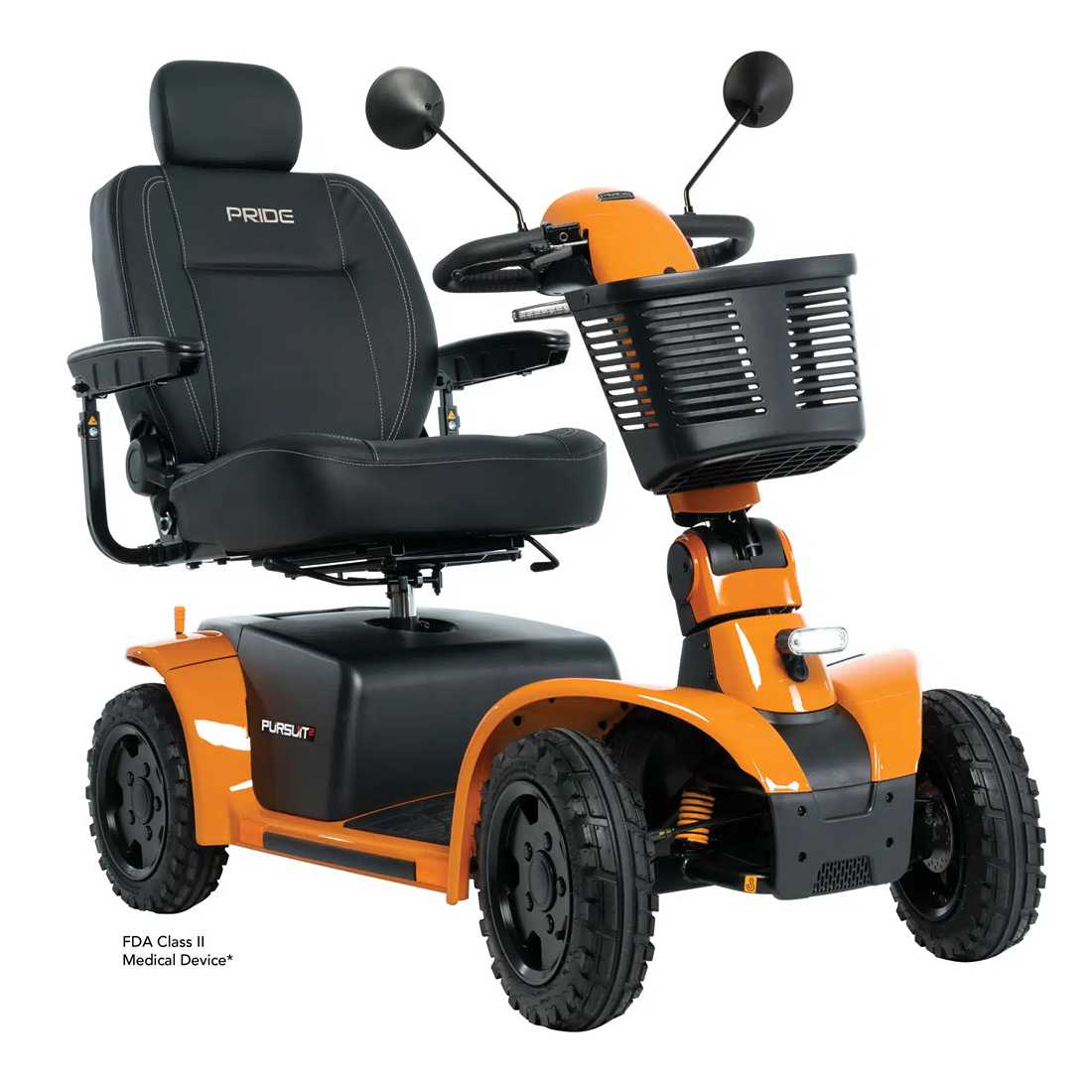
Adjusting the home environment is another way to improve daily comfort. Useful changes include using chairs that provide physical support, placing common items in reachable locations and increasing accessibility. Some people use equipment designed for movement and comfort. As an example, a mobility scooter is a tool for traveling longer distances if walking is difficult - these devices are intended to help individuals remain active instead of limiting their participation.
Gentle movement is frequently a central part of managing chronic pain. It is useful for maintaining flexibility, strength and physical function. Activities are most effective when they are adapted to individual abilities and follow medical advice. Stretching and water based exercises are low impact movements that allow many people to stay engaged without placing high levels of strain on the body. Regular participation is generally more important than the intensity of the exercise.
Supportive furniture can also assist with movement inside the home. For individuals who find it difficult to stand for long periods, lift chairs for seniors are an option to provide assistance when they move between sitting and standing - these solutions are available to help people complete tasks with more confidence while they lower physical effort.
Chronic pain is something that influences emotional health as well as physical comfort. Healthy coping strategies make it easier to participate in activities that provide purpose. Relaxation methods, consistent sleep habits and social connections are all ways to support a person living with persistent pain. Emotional stability is helpful for making daily challenges feel manageable.
Communication is also a necessary part of managing pain - Sharing changes in symptoms with healthcare providers is a way to explore treatment options and adjust plans. It is also beneficial to speak with family members or caregivers about daily difficulties. Receiving help from others is often what allows a person to remain active.
Adapting to pain is not the same as losing independence or stopping important activities. Many individuals find that changing their approach to tasks allows them to continue working, traveling and socializing. Assistive tools, modified routines and occasional support are resources that create opportunities. Independence is often the result of finding safe and practical ways to complete activities.
Managing pain over a long period requires patience because progress is often gradual. Some days are more restrictive than others but a flexible mindset is a way to prevent temporary difficulties from becoming permanent obstacles. People who focus on their current capabilities are more likely to stay engaged with their goals.
People manage long term physical discomfort and remain physically active - using awareness, planning, movement plus support. Understanding pain patterns, creating flexible routines and using resources are methods that allow individuals to stay active. Although this condition requires lifestyle adjustments, it is only one part of a person's experience. Individuals are able to participate in significant activities and maintain physical ease when they use effective strategies.
Comments (0)