Red Light Therapy for Muscle Recovery: How Near Infrared Technology Supports Wellness
30 days ago 184

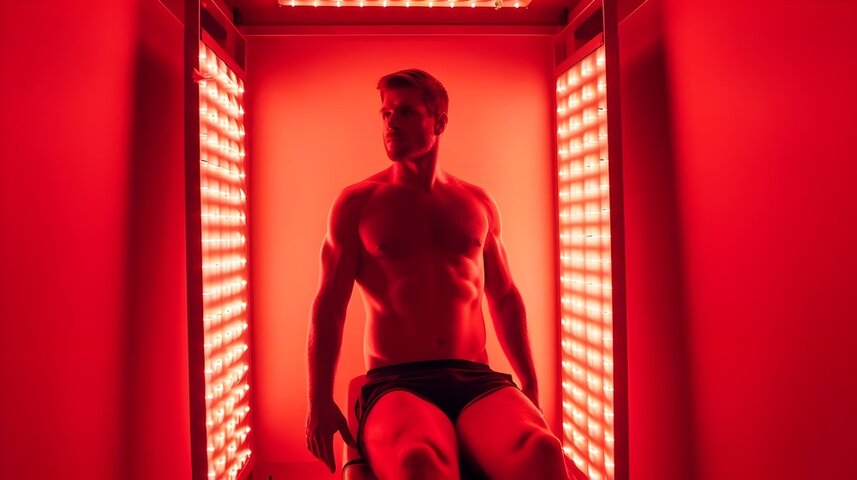
Muscle recovery has become an important part of modern wellness routines. From professional athletes to everyday fitness enthusiasts, more people are looking for convenient ways to support their bodies after exercise, reduce discomfort, and maintain an active lifestyle.
One technology gaining attention in the wellness space is red light therapy, also known as photobiomodulation. By using specific wavelengths of red and near infrared light, these devices are designed to deliver light energy to the body and support natural cellular processes.
Red light therapy uses low-level red and near infrared wavelengths to interact with the body's cells. Unlike ultraviolet light, red and near infrared light are non-UV wavelengths that are commonly used in wellness and recovery applications.
Most red light therapy devices use wavelengths around:
Because of its non-invasive nature, red light therapy has become increasingly popular as an at-home wellness technology.
After physical activity, muscles naturally experience stress and require time to recover. Many people are exploring red light therapy as part of their post-workout recovery routine.
Potential benefits being studied include:
Near infrared light may interact with mitochondria, the energy-producing structures inside cells. By supporting cellular energy processes, red light therapy is being researched for its role in helping cells function efficiently.
Athletes and active individuals often use recovery strategies such as stretching, massage, hydration, and proper nutrition. Red light therapy is increasingly being considered as another tool that may complement these approaches.
Beyond sports recovery, many users incorporate red light therapy into broader wellness routines, including relaxation, mobility support, and maintaining an active lifestyle.
Previously, light therapy treatments were mainly available through specialized clinics. Today, advances in technology have made home-use devices more accessible.
Full-body red light therapy mats and portable devices allow users to include light therapy sessions into their daily routines without visiting a professional facility.
When choosing a home red light therapy device, important factors include:
Brands such as Wondear red light therapy devices have been developed for people looking to integrate photobiomodulation into their wellness routines.
As interest in personalized wellness continues to grow, technologies that support recovery and healthy lifestyles are becoming increasingly popular.
Red light therapy represents one example of how consumers are adopting science-inspired wellness solutions at home. While research continues to explore its full potential, many athletes, fitness enthusiasts, and wellness-focused consumers are incorporating it into their recovery strategies.
Recovery is an essential part of maintaining an active and healthy lifestyle. Red light therapy offers a convenient, non-invasive approach that many people are exploring alongside traditional recovery methods.
As home wellness technology continues to evolve, red light therapy may become an increasingly common part of everyday health and recovery routines.
Comments (0)