Why VR Paragliding Simulators Are Transforming Indoor Adventure Entertainment
1 month ago 151

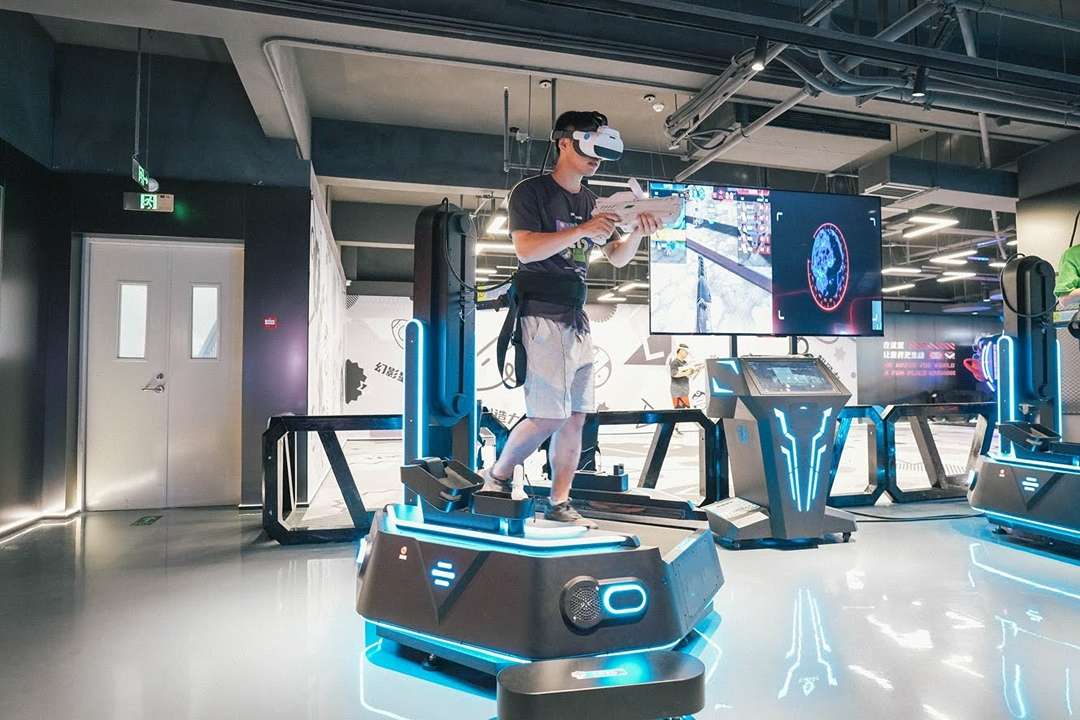
The entertainment industry has entered a new era where immersive experiences are becoming more valuable than traditional attractions. Today's customers are no longer satisfied with watching adventures on a screen—they want to feel like they are part of the action. This growing demand has fueled the rise of virtual reality attractions, with one innovation standing out from the rest: the vr paraglider simulator.
Unlike conventional VR games that rely on handheld controllers and standing gameplay, paragliding simulators recreate the sensation of soaring through the sky with remarkable realism. By combining advanced virtual reality technology with dynamic motion platforms, these simulators offer an unforgettable flying experience without leaving the ground.
For entertainment centers, shopping malls, family attractions, and VR businesses, this technology has become an exciting way to attract visitors, increase customer engagement, and create memorable experiences that encourage repeat visits.
Consumer expectations have changed dramatically over the past decade. Visitors now seek attractions that combine excitement, technology, and social interaction. Indoor entertainment venues are responding by investing in experiences that cannot be easily replicated at home.
Virtual reality fits perfectly into this trend because it allows guests to explore worlds that would otherwise be impossible. From racing simulations to space adventures, VR has expanded the boundaries of entertainment.
Among these innovations, paragliding simulations have become especially popular because they deliver the thrill of flying while remaining safe, accessible, and suitable for people of various ages.
A VR paragliding simulator combines a virtual reality headset with a specially designed motion platform that mimics the body position and movement of real paragliding.
As users wear the headset, they experience breathtaking landscapes, mountains, coastlines, forests, or futuristic cities while the simulator responds naturally to their movements. Leaning left or right controls direction, creating the feeling of genuine flight rather than simply watching a virtual environment.
The result is an immersive adventure that feels surprisingly realistic, making it one of the most engaging attractions available in location-based entertainment.
Real paragliding offers incredible excitement, but it also requires professional training, favorable weather conditions, and specialized safety equipment. These factors limit its accessibility for many people.
A virtual experience removes those barriers while preserving the excitement.
Participants can safely enjoy soaring over mountains, diving through valleys, or gliding across oceans without worrying about weather, altitude, or physical risk. This makes VR paragliding suitable for beginners, families, tourists, and individuals who may never have the opportunity to try the real activity.
By offering adventure in a controlled indoor environment, entertainment venues can appeal to a much broader audience.
Location-based entertainment operators are constantly searching for attractions that differentiate their businesses from competitors. A paragliding simulator offers exactly that.
Instead of relying solely on traditional VR games, operators can introduce an experience that immediately captures attention and encourages visitors to share videos and photos on social media.
The attraction also works well as a premium experience because customers are often willing to pay more for something they perceive as unique and unforgettable.
This combination of novelty and excitement makes VR flight simulators a valuable investment for many entertainment venues.
One reason paragliding simulators continue to grow in popularity is the emotional impact they create.
Flying has always fascinated people. A realistic simulation allows participants to experience freedom, speed, and breathtaking scenery in ways that standard VR games rarely achieve.
Many visitors describe the experience as surprisingly lifelike because the synchronized motion platform, immersive visuals, and spatial audio work together to convince the brain that it is actually flying.
These memorable experiences often lead to positive reviews, repeat visits, and enthusiastic recommendations.
Another advantage of VR paragliding attractions is their broad appeal.
Unlike some high-intensity rides that target only thrill seekers, paragliding simulations attract diverse audiences.
Popular customer groups include:
Because the experience is both exciting and accessible, businesses can serve a larger customer base throughout the year.
Today's visitors love sharing unique experiences online.
A person wearing a VR headset while "flying" above mountains creates highly engaging photos and videos that naturally attract attention on platforms like Instagram, TikTok, and YouTube.
This user-generated content acts as free advertising, helping entertainment centers reach new audiences without significantly increasing marketing costs.
Businesses that design attractive simulator areas with professional lighting and branded backgrounds often benefit from even greater online exposure.
Many business owners assume adding a flight simulator requires major renovations. In reality, modern systems are designed to integrate smoothly into existing entertainment venues.
A paragliding attraction complements:
Because these simulators require relatively modest floor space compared to traditional amusement rides, they provide an excellent return on investment for operators looking to maximize available space.
The virtual reality industry evolves rapidly, allowing businesses to refresh attractions without replacing expensive hardware.
New software updates can introduce additional flying environments, weather effects, seasonal experiences, and interactive missions that keep returning visitors engaged.
This flexibility helps entertainment businesses maintain customer interest while extending the lifespan of their investment.
Instead of relying on a single experience, operators can continuously expand their content library and encourage repeat visits.
Successful entertainment centers often generate income from multiple customer segments.
In addition to standard ticket sales, VR flight simulators can support birthday parties, educational programs, corporate events, promotional campaigns, and private group bookings.
Some operators also introduce membership packages, loyalty rewards, or bundled attraction passes that increase customer spending while encouraging repeat business.
These diversified revenue streams contribute to greater financial stability throughout the year.
As virtual reality technology becomes more advanced, flight simulation experiences will continue becoming even more realistic.
Higher-resolution displays, improved motion tracking, haptic feedback, artificial intelligence, and multiplayer functionality will further blur the line between virtual and real adventures.
Businesses that invest early in immersive technology position themselves to benefit from growing consumer demand while building a reputation for innovation.
For entrepreneurs seeking a modern attraction with long-term potential, a professional vr simulator represents far more than a gaming device—it becomes a signature experience that defines the entire entertainment venue.
VR paragliding simulators are transforming indoor adventure entertainment by making the excitement of flight accessible, safe, and unforgettable. They combine immersive visuals, realistic motion, and engaging gameplay to create experiences that captivate visitors of all ages while providing entertainment businesses with a powerful competitive advantage.
As customer expectations continue to evolve, attractions that offer memorable, shareable, and emotionally engaging experiences will remain in high demand. A VR paragliding simulator delivers exactly that, making it an excellent investment for entertainment centers, shopping malls, family attractions, and leisure destinations looking to stand out in an increasingly competitive market.
By combining innovative technology with carefully designed customer experiences, businesses can attract new visitors, encourage repeat bookings, and build a strong reputation as leaders in the future of indoor adventure entertainment.
Comments (0)