What Is Peptide Therapy and How Does It Work?
1 month ago 113

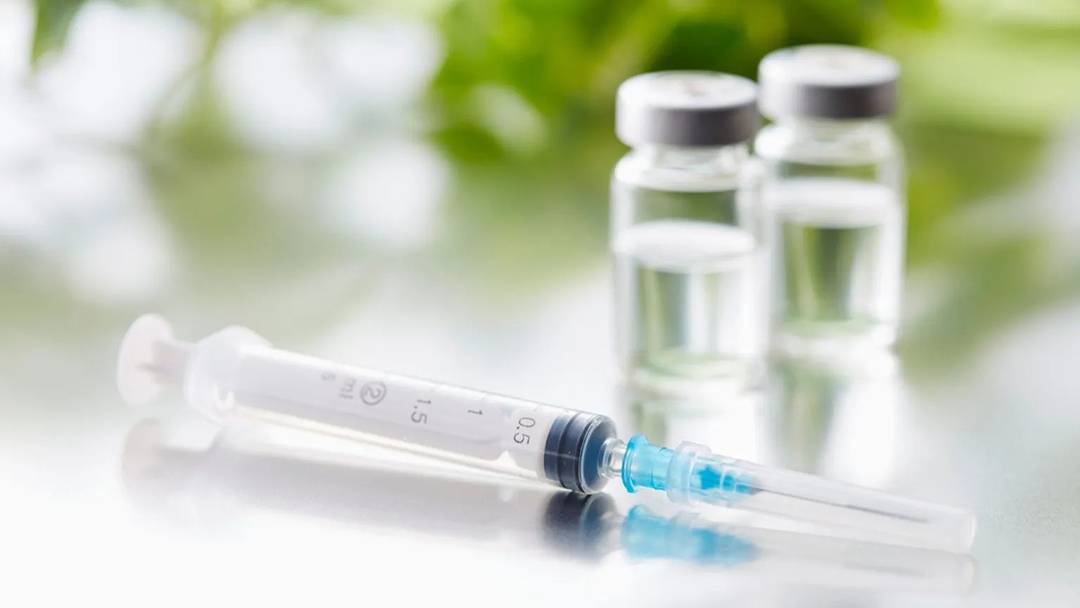
Peptide therapy is a medical approach that uses specific chains of amino acids to support normal signaling in the body. Peptides occur naturally and help regulate many functions, including tissue repair, metabolism, immune activity, sleep, and hormone communication.
Interest in peptide therapy Florida has grown as people look for personalized options that support wellness, recovery, and healthy aging. The approach is often discussed within broader regenerative care because it focuses on helping the body function more efficiently.
Peptides are short strings of amino acids, which are the building blocks of proteins. While proteins are larger and more complex, peptides are smaller and often act as messengers. They can signal cells to perform specific tasks or support certain biological processes.
Different peptides have different roles. Some are involved in collagen production, while others influence appetite, inflammation, muscle repair, or hormone pathways. Because these compounds are highly specific, treatment plans depend on a person’s health history, goals, and lab findings.
Peptide therapy aims to supplement or influence peptide signaling that may decline or become less efficient over time. A clinician may recommend certain peptides based on symptoms, health patterns, or measurable biomarkers. The goal is not to force a response, but to support targeted communication within the body.
Many peptides bind to receptors on cell surfaces. Once attached, they can trigger a biological response, such as improved protein synthesis, tissue repair signaling, or metabolic support. Results vary because each person’s physiology, lifestyle, and underlying health status are different.
Peptide therapy may be considered for several wellness and performance-related goals. It is not a universal solution, and appropriate use depends on clinical evaluation.
Regenerative medicine focuses on supporting the body’s natural repair and renewal processes. In this setting, peptides may be used alongside nutrition, movement, hormone evaluation, and other clinical strategies. The phrase Florida regenerative medicine often appears in conversations about this broader care model.
Florida regenerative medicine is not limited to one treatment type. It can include several evidence-informed approaches designed to address function, recovery, and long-term wellness. Peptides may be one piece of that larger clinical picture.
A responsible peptide therapy process begins with a detailed review of health history, current concerns, medications, and goals. Lab testing may be used to assess hormones, inflammation markers, metabolic health, or nutrient status. This helps determine whether peptides are appropriate.
People exploring peptide therapy Florida should expect individualized planning rather than a one-size-fits-all protocol. Dosing, delivery method, treatment duration, and monitoring should be based on clinical judgment and patient response.
Peptides may be delivered in different ways depending on the compound and intended use. Some are given by subcutaneous injection, while others may be formulated as oral, nasal, or topical options. The most suitable route depends on absorption, stability, and treatment goals.
Peptide therapy should be supervised by a qualified healthcare professional. Quality, dosing accuracy, screening, and monitoring matter. Some peptides may not be appropriate for people with certain medical conditions, active illness, pregnancy, or specific medication use.
Side effects can vary by peptide and delivery method. Mild injection site irritation, changes in appetite, fatigue, or temporary fluid shifts may occur with some protocols. Any unexpected reaction should be assessed clinically, especially when symptoms are persistent or concerning.
Peptide therapy usually works gradually. Some people notice changes in sleep, recovery, or energy within weeks, while other goals may take longer. Lifestyle factors such as nutrition, strength training, stress management, and sleep habits can strongly influence outcomes.
The most practical way to view peptide therapy is as a targeted support strategy. When used appropriately, it may complement a broader health plan focused on function, resilience, and long-term wellness rather than serving as a stand-alone fix.
Comments (0)