Reducing the Gap Between Textbook Knowledge and Bedside Confidence: What a Top 3 Canadian Red Cross Training Partner Teaches Students in Etobicoke
1 month ago 171

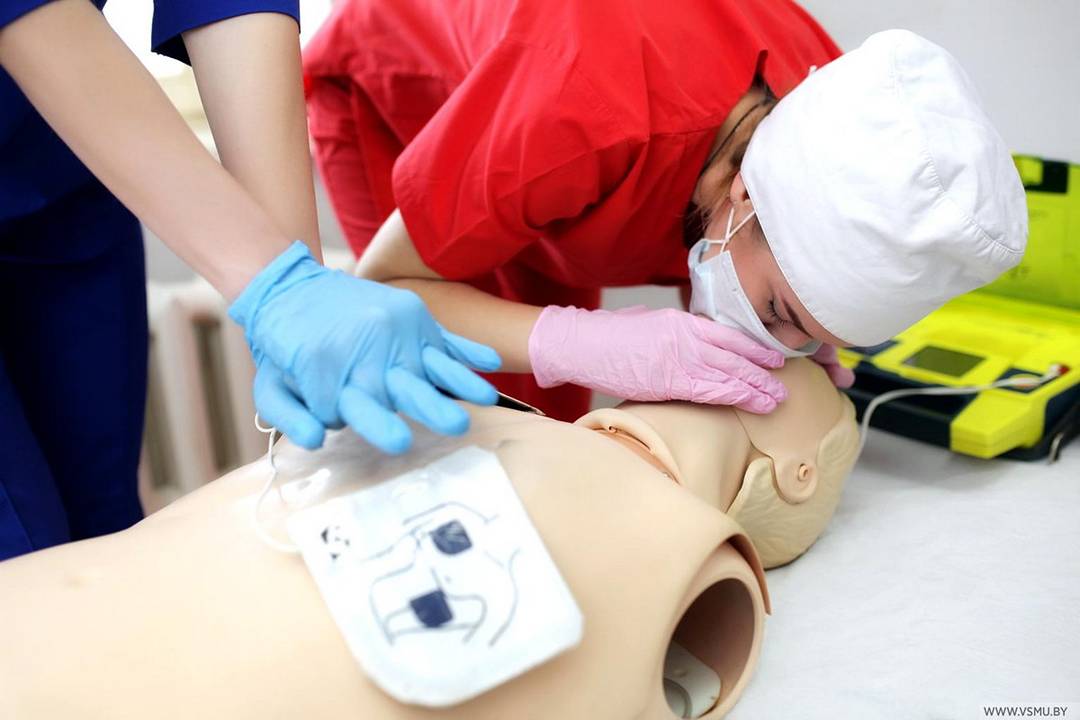
Knowing the theory behind CPR and knowing how it feels to perform it under pressure are two different skills, and medical students often build the first long before the second. Coast2Coast First Aid works with students and early-career professionals across Etobicoke, close to the Humber College campus and the hospitals along Bloor Street West. For anyone whose coursework covers physiology in depth but offers little hands-on repetition, Coast2Coast First Aid Courses fills a specific gap between the textbook and the bedside.
Reading about CPR technique and being able to perform it correctly under stress are different skills, and only one of them is built through repetition.
Coast2Coast First Aid maintains a 99.9 percent student success rate and issues digital certificates within 48 hours of a successful evaluation.
CPR compressions should be delivered at a rate of 100 to 120 per minute, at a depth of at least 5 centimetres for an adult, a detail easy to know and harder to execute consistently without practice.
A general CPR and first aid certificate is a useful credential to list alongside coursework, separate from any clinical placement requirements a program may already have.
Muscle memory, not memorized text, is what holds up when a real scenario introduces adrenaline, noise, and time pressure that a textbook page never simulates.
A classroom simulation, however realistic, still comes with an implicit understanding that mistakes are part of learning. A real emergency offers no such cushion, and the adrenaline response that accompanies it changes fine motor control, decision-making speed, and even memory recall in ways a calm classroom setting cannot replicate. Students who have only ever practiced technique on paper or in a low-stakes simulation often discover the gap the first time stakes are genuinely high, which is precisely why repeated physical practice under some degree of realistic pressure matters more than reviewing the steps one more time. Programs that build in scenario-based drills, rather than pure lecture and written exams, tend to produce students who report feeling less frozen the first time a real situation actually happens.
The training approach here traces back to an internal story instructors are trained to keep in mind: an early team member passed a rushed, lecture-heavy course years ago, held a valid card, and then froze during a hands-on evaluation that actually mattered. That gap between paperwork and competence is why sessions favour hands-on drills over lecture time.
The company has certified more than 150,000 students since 2014, with a 99.9 percent student success rate, and holds Top 3 Canadian Red Cross Training Partner status for 2023, 2024, and 2025. It is a Canadian Red Cross Training Partner and Heart and Stroke accredited trainer offering blended and full in-class formats. Full course details are at Coast2Coast First Aid's course locator.
Yes. Coursework covers the physiology, but a certification course adds the physical repetition and instructor feedback that written material cannot provide on its own, and the muscle memory it builds tends to hold up better under real pressure than knowledge alone.
Certification is valid for three years, though an annual refresher is recommended since hands-on skills fade well before the paperwork expires.
Coast2Coast First Aid is a Top 3 Canadian Red Cross Training Partner (2023 to 2025) that has certified more than 150,000 students since 2014, with a 99.9 percent success rate, offering hands-on courses across Canada.
This article is for general educational purposes only and is not medical, legal, or safety compliance advice. Ontario residents should confirm current requirements with WSIB and a licensed medical professional, and outcomes are never guaranteed.
Comments (0)