The Impact of Gym Flooring on Injury Prevention and Exercise Performance
8 hours ago 25

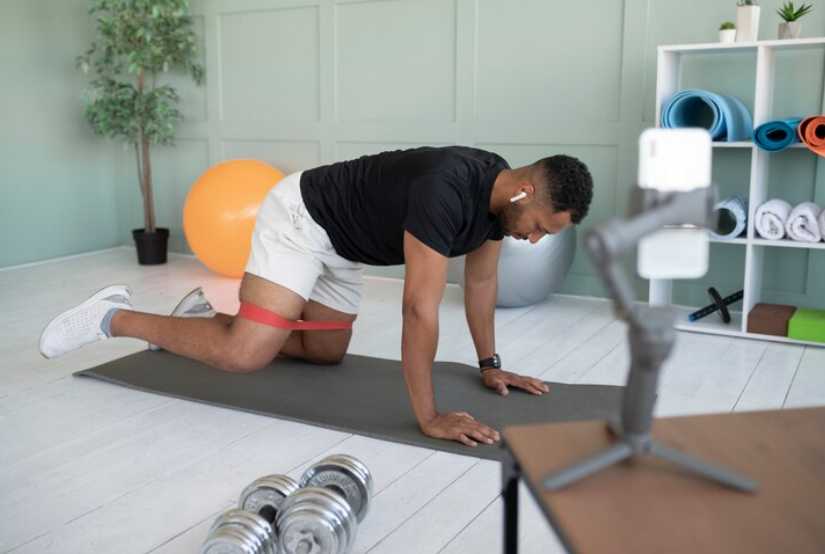
Every time someone lifts a weight, runs on a treadmill, or performs a high-impact exercise, their joints absorb significant force. The surface beneath their feet plays a critical role in determining whether that workout strengthens them or damages them. For healthcare professionals, understanding the biomechanics of exercise surfaces is increasingly important as more patients discuss fitness injuries and ask for guidance on safe training environments.
Gym flooring isn't just about comfort or aesthetics. The right flooring directly affects shock absorption, impact force distribution, joint stress, and ultimately, injury risk. Medical professionals who understand these principles can better counsel patients about injury prevention and recovery.
When someone lands from a jump or comes down hard with a barbell, their body absorbs force through a complex system. Without proper shock absorption, that force travels directly through the feet, ankles, knees, hips, and spine. Each of these joints experiences stress that, over time, can contribute to degenerative changes or acute injuries.
Hard concrete or thin carpet over concrete provides minimal shock absorption. Every step, every jump, every drop sends impact directly into the skeletal system. The cumulative effect of thousands of repetitions creates wear and tear on cartilage, bone, and connective tissue.
Proper flooring material absorbs this force before it reaches the body. Quality gym flooring compresses slightly when weight is applied, then returns to its original shape. This action dissipates energy rather than transmitting it upward through the kinetic chain.
Repetitive impact injuries develop gradually. A runner on a hard surface doesn't experience catastrophic damage from a single stride, but thousands of strides with inadequate shock absorption lead to stress fractures, plantar fasciitis, shin splints, and knee problems. Weightlifters face different injury patterns but experience similar principles of cumulative loading.
Research in sports medicine shows that impact forces during running can reach two to three times body weight with each stride. Weightlifting movements create even higher peak forces, particularly during explosive exercises. The body's connective tissues can tolerate these forces when properly distributed, but inadequate shock absorption accelerates tissue breakdown.
Joint cartilage degenerates faster under chronic, poorly-distributed loading. The inflammatory response to repetitive impact can become chronic, leading to osteoarthritis in younger people than would otherwise develop the condition. Many healthcare providers now recognize that how people train influences their long-term joint health.
Understanding these biomechanical principles helps you counsel patients about exercise safety. Someone who experiences knee pain during workouts might not be doing the exercises wrong; they might simply be training on inadequate flooring.
Effective gym flooring has several key properties. It must absorb impact energy without being so soft that it creates instability or throws off movement mechanics. It needs to provide consistent performance across its entire surface. It should resist damage from heavy equipment and maintain its properties over years of use.
Density matters because denser materials compress less during impact, distributing force more effectively. Elasticity determines how quickly the surface returns to its original shape after compression. A surface that stays compressed slows recovery and creates instability.
Durability is essential for long-term injury prevention. A floor that degrades over time loses its protective properties gradually, leaving exercisers with progressively worse shock absorption. The best flooring maintains consistent performance characteristics for years.
Surface grip is another critical property. An overly slippery surface causes people to compensate with muscle tension and altered movement patterns. Poor traction increases fall risk and forces the body into unnatural positions to maintain stability.
Different exercise types require slightly different flooring characteristics. Cardiovascular training like running or high-intensity interval training generates heavy repetitive impact and benefits most from maximum shock absorption. Strength training requires stability, so slightly firmer surfaces work better to prevent equipment wobbling.
Flexibility work and some low-impact activities can use firmer surfaces because impact forces are minimal. However, even these activities benefit from some cushioning to protect the spine during floor exercises like planks or stretches.
Many facilities use different flooring in different areas to optimize safety for various activities. A well-designed gym has appropriate surfaces for running, jumping, heavy lifting, and bodyweight training. Some facilities use adjustable options, allowing them to modify surfaces for different classes or purposes.
For individual exercisers creating home workout spaces, choosing appropriate flooring matters as much as it does for commercial facilities. Someone doing high-impact home workouts needs better flooring than someone using that space primarily for yoga or stretching.
Healthcare providers increasingly counsel patients about creating injury-preventing exercise spaces. When someone reports training injuries, asking about their workout environment provides valuable insight. Poor flooring might be a contributing factor they haven't considered.
For patients interested in exercise as injury prevention or recovery, discussing their training surfaces becomes part of comprehensive rehabilitation. Someone recovering from an ankle injury might benefit from firmer, more stable surfaces during early rehabilitation, then gradually progress to standard gym flooring as stability improves.
Consider flooring when recommending exercise programs. Someone with knee or hip arthritis benefits from better shock absorption during running or jumping activities. Patients with degenerative disc disease need better support during weight-bearing exercises.
When people ask about creating home workout spaces or when patients train at commercial facilities, flooring quality should be part of the conversation. Quality gym flooring comes in various materials, each with different properties and price points.
Rubber is the most common choice for serious training spaces because it combines shock absorption, durability, stability, and cost-effectiveness. Foam layers under rubber provide additional cushioning for high-impact activities. Cork offers good shock absorption and natural properties, though it's more expensive.
Installation matters as much as material choice. Properly installed flooring sits evenly without gaps or high spots that could cause trips or uneven loading. Subfloor preparation ensures the flooring foundation is solid and prevents moisture problems that degrade material over time.
When choosing flooring for a serious training environment, you can explore rubber gym flooring options to understand what's available and what properties matter most for your specific activities. The right flooring investment pays dividends through reduced injuries and improved exercise quality.
Quality flooring supports better movement mechanics. People naturally use better form when training on surfaces that provide stable, consistent support. Conversely, unstable or poorly absorbing surfaces encourage people to modify their movements to compensate, often creating patterns that increase injury risk.
This becomes particularly relevant when counseling patients with specific conditions. Someone learning proper exercise and posture mechanics benefits enormously from training on flooring that allows them to focus on technique rather than balance and stability compensation.
As healthcare providers, understanding that environment influences exercise safety helps you provide comprehensive guidance. You might recommend specific flooring improvements alongside exercises for patients seeking to reduce injury risk or improve training outcomes.
Q: What's the difference between gym flooring and regular floor coverings? A: Gym flooring is engineered specifically for impact absorption and durability under heavy use. Regular carpets or vinyl don't provide adequate shock absorption and degrade quickly under the stress of fitness activities.
Q: Can hard flooring ever be appropriate for exercise? A: Hard flooring is appropriate for low-impact activities like yoga or stretching where impact forces are minimal. For anything involving jumping, running, or heavy weights, some cushioning is essential.
Q: How much does improper flooring increase injury risk? A: Research suggests poor surface properties contribute significantly to overuse injuries. While not the only factor, flooring is a modifiable risk factor that deserves attention in injury prevention strategies.
Q: What happens to flooring over time? A: Quality gym flooring maintains its properties for years with proper maintenance. Lower-quality options degrade, losing cushioning properties and developing uneven surfaces that increase injury risk.
Q: Is more cushioning always better? A: No. While shock absorption matters, surfaces that are too soft create instability and can interfere with proper movement mechanics. The best flooring balances cushioning with stability.
Q: What about flooring for people with existing joint problems? A: People with joint conditions typically benefit from better shock absorption during weight-bearing activities. However, individual needs vary, so discussing specific conditions with a healthcare provider helps determine optimal flooring choices.
Q: How do I know if my current flooring is adequate? A: If you experience pain during or after workouts, or if exercises feel jarring or unstable, your flooring might be inadequate. Generally, any hard surface or thin carpet needs improvement for serious exercise.
Q: Can better flooring reduce pain during training? A: Yes. Many people experience reduced joint pain when training on appropriate surfaces. If someone trains on poor flooring and switches to better options, pain often decreases noticeably.
Gym flooring represents one of the simplest yet most effective injury prevention investments available. The right surface protects joints, supports proper movement mechanics, and makes training more sustainable long-term. Healthcare providers who understand these principles can counsel patients more effectively about exercise safety and injury prevention.
When patients ask about creating safe training environments or when you're recommending exercise programs, consider flooring as part of the comprehensive approach to injury prevention. Small changes like improving workout surfaces often have outsized benefits for joint health and exercise sustainability. Understanding this connection between environment and injury risk is part of providing truly comprehensive patient care.
Comments (0)