Why Does Identifying the Dog's History Matter After an Attack
9 hours ago 16

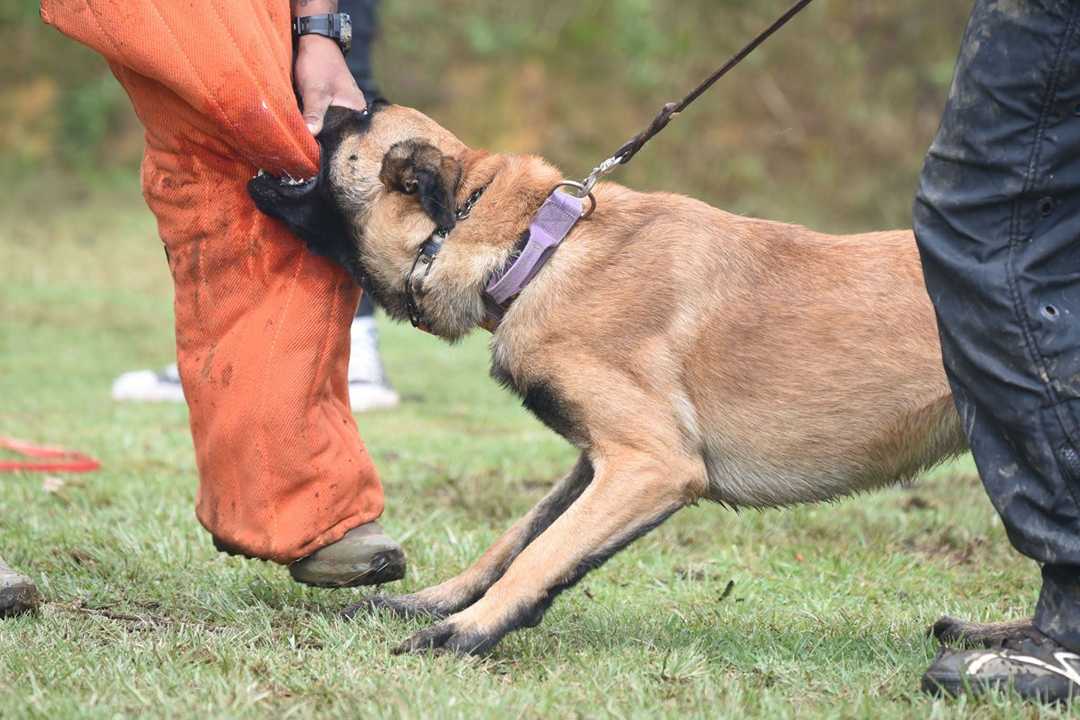
Every dog bite has a story that started before the attack itself. One incident may seem sudden, but it is often only the final piece of a much bigger picture. A dog's past behavior, ownership records, and earlier complaints can all provide valuable information that helps explain what happened.
People searching for legal help for dog bite victims are often surprised to learn that investigators spend time looking beyond the injury itself. The answers are not always found at the scene. They are often hidden in records and details that existed long before the attack took place, making every piece of information worth reviewing.
A dog bite investigation does not focus only on the injury. It also looks at the events that may have led to the attack. A dog's history can reveal patterns that are not visible from one incident alone. This information helps create a better understanding of the situation instead of relying on a single moment.
Looking at the dog's background does not automatically decide responsibility. Instead, it provides useful context that may explain whether warning signs existed before the attack. The more complete the information is, the easier it becomes to understand the circumstances surrounding the incident.
One of the first areas investigators may review is whether the dog has shown aggressive behavior before. Earlier bites, attempts to attack, or complaints from neighbors can all become part of the overall picture. These incidents may have been reported to local authorities or simply remembered by people who witnessed them.
Repeated behavior does not always mean every future attack could have been prevented, but earlier reports may help explain whether there were signs that deserved closer attention before the latest incident occurred.
Another important detail involves the dog's ownership and daily care. Knowing who owned or controlled the dog at the time of the attack helps investigators understand who was responsible for supervising the animal.
Changes in ownership, living conditions, or the way the dog was managed may also provide useful information. These records help build a timeline that explains how the dog's environment changed over time and whether those changes played any role in the incident.
An investigation often becomes stronger because of records collected from different sources instead of depending on one document alone. These records help connect facts and reduce confusion about what happened before the attack.
Some examples include:
Each record offers another piece of the story. Together, they help investigators compare information, confirm facts, and identify details that may otherwise remain unnoticed. Looking at several sources creates a more reliable understanding than depending on one account alone.
Responsibility after a dog bite is usually based on the complete facts surrounding the incident. Reviewing a dog's history may help determine whether there had been earlier concerns about aggressive behavior or whether previous warnings had been ignored.
Every situation is different, and no single record decides the outcome by itself. Instead, investigators compare the available information with what happened during the attack. Someone seeking legal help for dog bite victims may discover that earlier records become valuable because they help explain events that would otherwise seem unclear.
This careful review allows each case to be evaluated on its own facts rather than assumptions. It also helps prevent important details from being overlooked during the investigation.
Time can affect the quality of evidence after a dog bite. Some records remain available for years, but other information can disappear much sooner if it is not collected quickly.
Security camera footage may be deleted after a short period. Witnesses may forget small details that seemed clear immediately after the incident. Public records can also become harder to locate if they are not requested while information is still fresh.
Collecting these materials early helps create a stronger record of what happened. It also gives investigators the chance to compare different sources before important details are lost. A complete investigation often depends on gathering information while it is still available.
A dog bite investigation becomes more meaningful by looking beyond the attack itself. A dog's history, ownership records, earlier reports, and other available evidence all help create a fuller understanding of the incident. Reviewing these details does not replace the facts of the attack, but it adds important context that may otherwise be missed.
Every case deserves a careful review before conclusions are reached. For people exploring legal help for dog bite victims, knowing why a dog's history matters offers a clearer view of how investigations are built and why complete information often makes a meaningful difference.
Comments (0)