7-Hydroxy Dangers and Risks: Protect Your Health from This Potent Kratom Alkaloid
9 hours ago 22

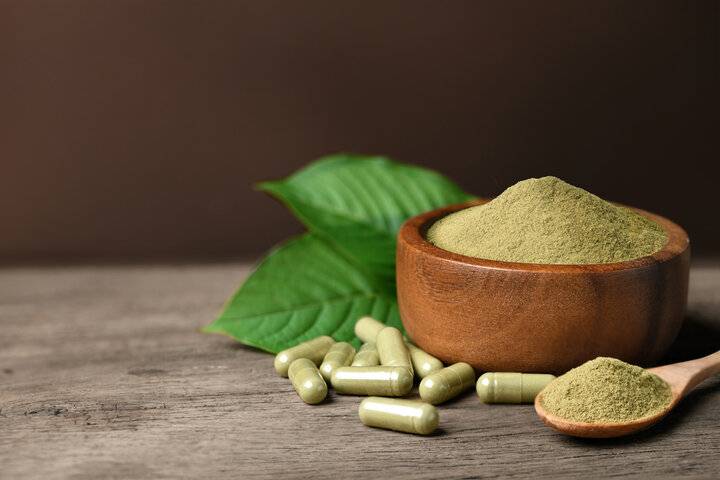
Poison control centers across the country receive thousands of calls about kratom products each year. Among the various compounds found in the Mitragyna speciosa tree, one specific alkaloid drives the most severe medical emergencies. Learning the 7-hydroxy dangers and risks can help you make safe choices and spot signs of trouble before dependence takes over.
The kratom plant contains dozens of active compounds, but 7-hydroxymitragynine, or 7 Hydroxy, makes up only a tiny fraction of the raw leaf. Your body naturally produces small amounts of this chemical when your liver processes regular mitragynine. Labs can also turn regular kratom extract into high concentrations of 7-OH through chemical oxidation. Once inside your body, this substance targets your brain's mu-opioid receptors with intense force.
Federal regulators have not approved 7-OH for any medical use, and the Drug Enforcement Administration keeps a close eye on the compound. However, the market for isolated alkaloid products moves much faster than government agencies can track. Manufacturers sell these items online and in local shops without strict oversight or uniform safety checks. This lack of federal control leaves buyers exposed to potent substances with unknown long-term effects.
Traditional leaf powder contains a natural mix of plant fibers and balanced alkaloids that slow down how your body absorbs them. Modern 7-OH products strip away that natural plant matrix to create concentrated tablets, liquid shots, and powders. Bypassing the whole leaf makes the substance hit your brain much faster and harder. This extreme potency shifts the risk profile from mild herbal relaxation to heavy narcotic-like intoxication.
The physical structure of 7-OH lets it bind to your brain's mu-opioid receptors much tighter than standard mitragynine or even morphine. This high binding affinity triggers powerful physical changes in your central nervous system very quickly. Your brain adapts to the heavy stimulation by reducing its own natural chemical balance. Once that happens, you feel physical discomfort and strong urges to use the product again just to feel normal.
Stopping high-potency 7-OH products triggers a harsh wave of physical and mental withdrawal signs. People often report intense muscle aches, cold sweats, shaky hands, and deep stomach cramps. The mental toll brings severe anxiety, panic attacks, and restless nights where sleep is impossible. These symptoms look and feel just like standard opioid withdrawal.
Users quickly find that standard doses stop working after just a few days of daily use. Your brain builds a strong tolerance to the chemical very fast. To get the same relief or calm feeling, you need to take larger and more frequent doses. This rapid escalation pulls users deeper into a daily cycle of heavy dependence and physical addiction.
Most companies making 7-OH extracts do not follow standard good manufacturing practices used in drug production. Without strict rules, batch strengths vary wildly from one package to the next. One tablet might contain a mild dose while the next one holds enough to cause an accidental overdose. This total lack of dose consistency puts every buyer at risk of severe side effects.
Extracting pure 7-OH requires harsh chemical solvents, industrial acids, and heavy processing equipment. If labs do not clean the final product properly, toxic chemical residues stay trapped in the powder or pill. Plants also absorb heavy metals like lead and nickel from poor soil, which ends up in cheap extracts. Regular use of these contaminated products can lead to heavy metal poisoning and organ damage.
Independent lab tests often show that commercial 7-OH packages lie about what is inside. A bottle might claim to hold ten milligrams of the active compound while actual lab tests show thirty milligrams. Other products contain almost no active ingredient at all, cheating buyers out of their money. This false labeling makes it impossible to know how much of the drug you put into your body.
Taking too much 7-OH slows down your brain activity and depresses your central nervous system. You might experience extreme sleepiness, slurred speech, and a dangerous drop in your breathing rate. Severe respiratory depression can cause you to stop breathing altogether during sleep. This risk makes high doses a medical emergency.
Regular use of potent kratom extracts brings heavy digestive trouble, starting with severe constipation and painful bloating. Your gut slows down to a crawl, leading to chronic stomach pain and nausea. The synthetic processing methods used to make these high-potency items also place extra stress on your liver and kidneys. Over time, this constant strain can hurt your metabolic health.
Constantly flooding your brain with strong opioid agonists messes up your natural mood control. Many chronic users face spikes in daily anxiety, deep depression, and emotional numbness. Sleep cycles break down completely, leaving you exhausted and unable to cope with normal stress. These mental health struggles often make quitting much harder without professional help.
Mixing 7-OH with alcohol or prescription sedatives creates a deadly mix that shuts down your breathing. Both alcohol and benzodiazepines depress your central nervous system on their own. Adding 7-OH to that mix multiplies the danger of a fatal overdose. Many severe poison control cases involve people who mixed these substances without knowing the risks.
Your liver uses specific enzymes, known as the cytochrome P450 system, to process most prescription drugs and kratom alkaloids. 7-OH can block or change how these liver enzymes work. When that happens, other medications build up to toxic levels in your bloodstream. This hidden interaction can turn standard daily prescriptions into dangerous hazards.
Public health reports show a sharp rise in emergency room visits where patients took 7-OH along with other drugs. Illicit substances, prescription painkillers, and muscle relaxants frequently show up in these toxic mix cases. The combination of multiple sedatives makes it very hard for medical staff to stabilize the patient. Treating these multi-drug emergencies often requires heavy medical intervention.
Breaking free from strong 7-OH addiction often requires medical supervision and structured support programs. Doctors can use safe taper schedules and supportive medications to ease harsh withdrawal symptoms. Inpatient stabilization centers provide a safe space to clear your system without access to the drug. Therapy models like cognitive behavioral therapy help you rebuild daily habits and handle triggers.
If you are not yet ready to stop, you must take steps to lower your daily risk. Stay away from concentrated extracts, shots, and isolated tablets that bypass the whole leaf. Never mix 7-OH with alcohol, sleep aids, or any prescription sedatives. Always look for third-party lab results to verify the safety and strength of any product you buy.
You do not have to face this struggle alone, as many medical professionals now understand novel botanical addictions. Local health clinics, mental health counselors, and national substance use helplines offer confidential guidance. Reaching out to a doctor gives you a safe path toward healing and long-term recovery.
The rapid growth of isolated 7-hydroxymitragynine products brings serious health hazards that go far beyond traditional kratom leaf use. High potency, addictive binding power, and dirty manufacturing methods create a dangerous mix for unsuspecting buyers. Protecting your well-being means staying away from concentrated extracts and avoiding risky substance combinations. If you or someone you care about struggles with dependence, seek professional medical support right away to start healing.
Comments (0)