The Scar Variable After Skin Removal Surgery That No One Talks About
1 month ago 155

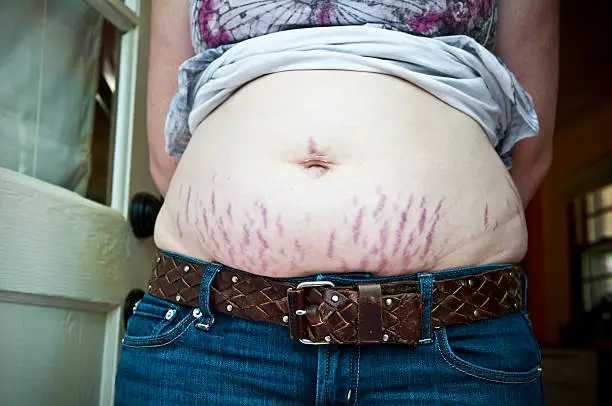
When people research skin removal surgery, the questions tend to be the same: Where will the scars be? How long until they fade? Will anyone be able to see them? These are fair questions, and good surgeons answer them well. What gets far less attention is the variable that patients actually have the most control over: what they're feeding their body while it does the work of healing. If you want to understand the full picture of how skin removal surgery scars form and what influences their outcome, nutrition is a big part of that conversation.
Two patients can have the same procedure with the same surgeon and end up with noticeably different scars at the six-month mark. Some of that comes down to genetics, while some comes down to aftercare compliance. However, a meaningful portion comes down to what the body had to work with during the repair process.
Scar tissue is built from collagen, and collagen synthesis is a nutrient-dependent process. Without adequate vitamin C, the body cannot produce collagen efficiently. Without enough protein and amino acids, there's no raw material to lay down new tissue architecture. Without a functioning gut, even a solid diet doesn't translate into absorbed nutrients. These aren't edge-case concerns. They're basic physiology, and they apply to everyone recovering from an elective procedure.
The problem is that surgical recovery is one of the hardest times to eat well. Nausea from anesthesia, suppressed appetite, restricted jaw movement, and general fatigue all conspire against consistent nutrition right when the body's demands are at their peak. Most patients are under-fueling during the weeks when collagen production is most active, and scar architecture is being established.
Standard multivitamins don't close this gap. They're formulated for general wellness maintenance, not the elevated demands of tissue repair. The difference lies in dosage, bioavailability, and whether the formulation accounts for the digestive disruption that surgery reliably causes.
Vitamin C drives collagen synthesis and provides antioxidant protection during the inflammatory phase, both directly relevant to how scar tissue develops. Proteolytic enzymes support how efficiently the body processes protein, which affects how much of what you eat actually makes it into tissue repair. A prebiotic and probiotic blend helps restore the gut health disrupted by antibiotics and anesthesia, which in turn supports how well all other nutrients are absorbed. And protein itself (in adequate amounts, in bioavailable forms) gives the body the building blocks it needs to construct new tissue rather than scavenging from elsewhere.
The timing matters as well. Starting nutritional support before surgery builds reserves that are available when demand spikes post-procedure. Arriving at the OR already depleted puts the body behind from day one.
Nutrition is one variable in a larger equation. Surgeon technique, scar placement, sun protection, silicone sheeting, and genetic predisposition all play roles. However,of the factors patients can actually influence, what they consume during recovery is among the most impactful, and the most consistently overlooked.
For a complete breakdown of how skin removal surgery scars develop across different procedures, what the healing timeline actually looks like, and what aftercare makes the biggest difference, Sulinu's guide covers it in useful detail.
Comments (0)