What founders need from the best payment gateway for startups in 2026
2 months ago 212

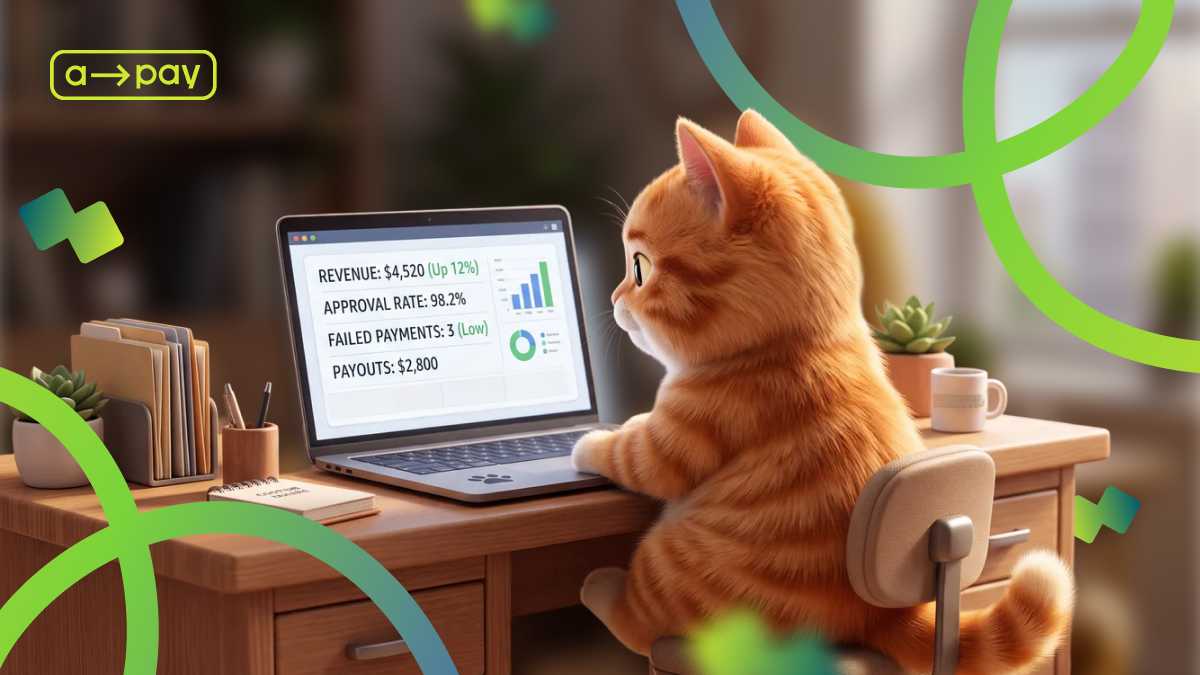
The payment gateway for startups is not only a startup facility. It may impact revenues, trustworthiness, checkout conversion, and cash flow. It influences the speed at which a start-up can begin making sales.
The startup might have an amazing product and great traffic. But if the client cannot make a payment conveniently, the transaction will just evaporate. This holds immense significance for India.
Digital payments, including UPI, cards, wallets, and net banking, are part of everyday purchasing behaviour in India. UPI has emerged as one of the primary methods of payment in both online and offline modes. As per reports by NPCI, there were 23,201.93 million UPI transactions made in May 2026. One structure should select an ideal payment gateway for startups that makes it easy for transactions to be established and controlled.
The role of payment gateways is to help businesses process their online transactions. However, in the case of start-ups, the process of integrating a payment gateway isn’t enough. What is needed is the entire payment experience.
The payment processor is responsible for the exchange of payment details between the merchant and banks and payment gateways. Payment method refers to the mode by which the customer makes payment. These include UPI, cards, wallets, and bank transfers. Settlement terms are also crucial since they determine the timing of payments to the merchant account.
Founders should look past one basic question: “Can this provider process payments?” A better question is quite simple. Can this provider accommodate our sales model without any friction?
A typical startup PSP will generally require:
This is important because the payment options problem does not remain technical. It becomes an e-commerce payment system problem as well. A poor checkout process reduces conversion rate. Reporting can slow down financial operations. The lack of clarity on settlement can impact cash flow.
The job of a PSP is to ensure that the startup has an easier time selling without any payment surprises.
Every payment gateway for startups must eliminate stress. Startups tend to have little time, limited development resources, and actual cash flow stress. The system must be quick to implement and robust enough to actually handle money transfers.
The founders need to verify how well the PSP matches the operating model of their business. Technical capabilities are important for a startup payment gateway, but operating fit is even more important initially.
The key criteria for evaluation of the PSP are listed in the following table:
|
Criterion |
What Founders Should Check |
Why It Matters |
|
Onboarding speed |
Required documents, KYC steps, and go-live timeline |
Delays can slow the first sales |
|
Payment methods |
UPI, cards, wallets, and local options |
Customers expect familiar ways to pay |
|
Checkout stability |
Mobile flow, redirects, and failed payment handling |
Checkout issues can reduce conversion rates |
|
Payment success |
Authorization rates and retry options |
More successful payments mean more captured revenue |
|
Settlement |
Payout timing, reports, and reconciliation |
Cash flow depends on clear payout timing |
|
Dashboard |
Transaction status, refunds, and downloadable reports |
Founders need visibility without manual tracking |
This checklist ensures that founders can compare providers based on actual business requirements. It also helps to stay focused on selling, cash flow, and customer experience.
The payment gateway integration for startups does not have to consume the entire product development roadmap. The founders tend to be very fee-focused. Developer hours are another potential hidden cost.
The startup will need to ensure that the PSP integrates with their website or application in an easy fashion. Good API documentation is important to successfully go live. The developer needs to build payments, check statuses, process callbacks, refunds, and reconcile records.
Sandbox is another useful tool for testing out the payments. This allows for testing the payment system without having any issues when customers are actually paying.
For small technical teams, the use of various plugins and no-code software can be beneficial. Plugins for WooCommerce or Shopify will save time for setting up. Using payment links can also help in determining customer interest in products.
In a practical review of integration, one needs to consider the following aspects:
The aim here should not be to bypass any technical challenges. The idea is simply to bypass the unnecessary complexity. An efficient payment process allows developers to concentrate on the application itself.
Payment gateway fees for startups must be analyzed in terms of unit economics. Lowest advertised fees do not necessarily mean lowest total costs.
Founders need to measure their total transaction fees per order. This takes into account fees for transactions, set up, monthly subscription, refund processing, failed payments, and international payments. Time for reconciliation is important.
Cheap fees could end up being costly when the payment succeeds poorly. Poor reporting and inadequate customer support could also be costly to the business. More failed transactions mean that the company will lose money while looking for cheaper fees.
Transparent pricing needs to be evaluated on an end-to-end basis:
Transparence pricing may be better than a rock bottom figure. The founder needs to understand the cost structure of every payment method available. They should also know how those costs affect gross margin.
Choosing the optimal payment strategy is not a matter of opting for the cheapest PSPs. It is about margin, performance, and revenue.
Payment gateway compliance India startups needs to be considered prior to product launch. They should not be left until the startup begins to scale.
The PCI DSS is an important data security standard for card network payment transactions. It provides requirements for technical and operational aspects of systems dealing with payment account data.
Founders should not think that the use of a PSP means no more obligations. They should understand how sensitive the handling of payment platform information is. From robust end-to-end encryption to secure tokenization, you must ensure that sensitive customer data is protected at every stage. The key security issues are:
In India, founders need to inquire regarding KYC, documentation, and bank account requirements. The documentation regarding GST also needs to be checked. Depending on the set-up, there could be payment aggregator regulations that apply as well. For example, you have an RBI-authorized payment in India.
This does not constitute legal advice. These requirements may vary based on the business model and payment gateway provider structure. The founders must seek confirmation from the PSP. Additionally, they should consult an expert when required.
The most opportune time to raise these issues would be before scaling up operations. It would prove expensive to address compliance issues post-paid scaling up.
Fast selections happen because most startups wish to go to market quickly. Speed is crucial, but too fast a decision might lead to issues in the future when it comes to multiple payments.
Some common mistakes startups payment gateway that could make when choosing a PSP are:
A startup company doesn’t have to start off using the most sophisticated payment partner system. It has to be the one that fits the current sales mode and their bank account.
The best payment gateway for startups minimizes uncertainty for your startup. The right payment gateway will help you start up more easily, process online payments, and support local ones as well. It is also responsible for preserving checkout conversion and providing you with proper settlement information.
It is recommended that founders base their choice on operational requirements, not only on brand reputation. A reliable payment solution provides more control over income, fewer checkout problems, and better insight into your financial operations.
Comments (0)