Top 7 Cold Plunge Chiller Companies in 2026
7 hours ago 25

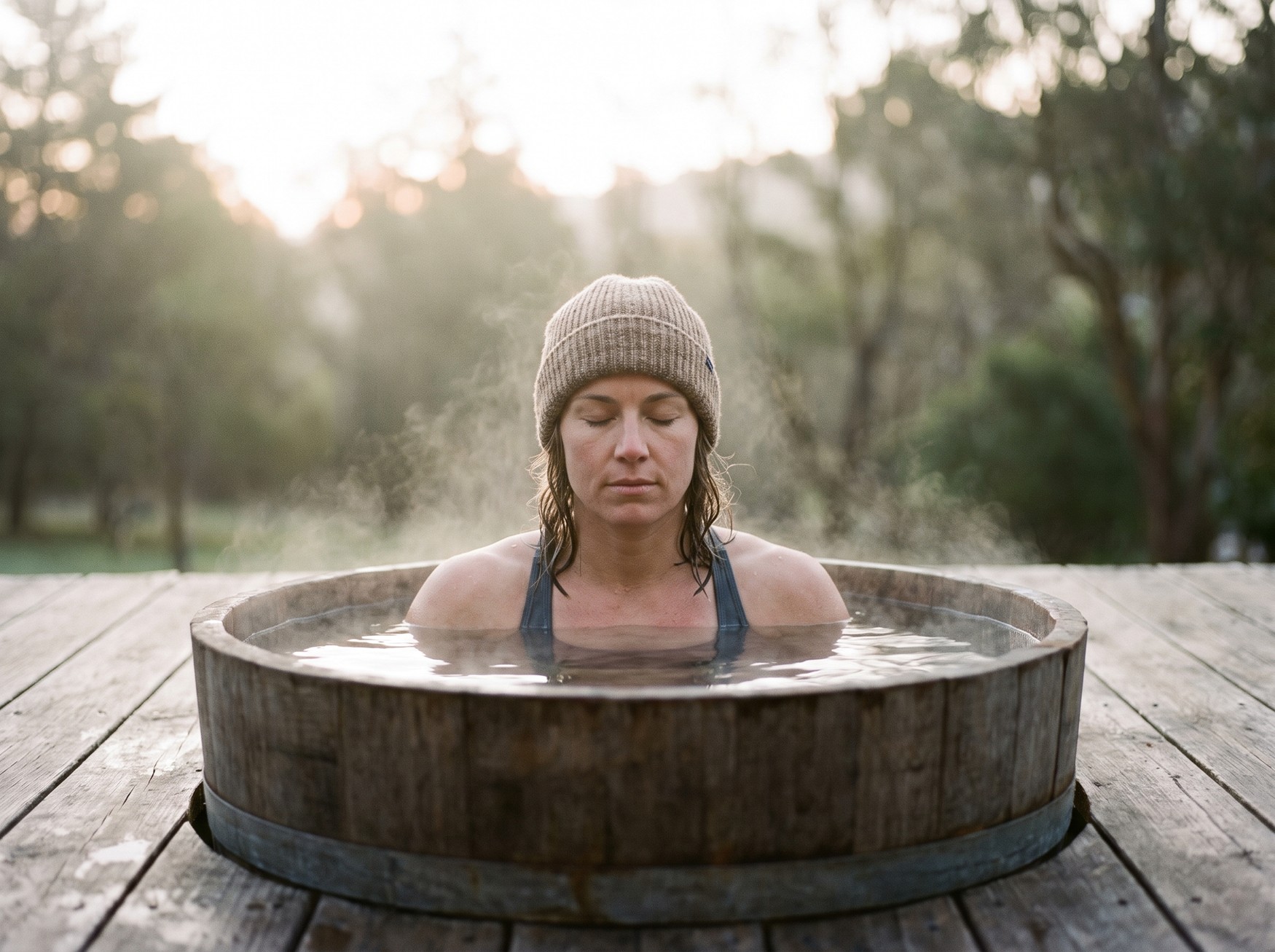
Cold plunging has moved out of elite locker rooms and into ordinary garages. The global cold plunge tub market was valued at $354.6 million in 2025 and is projected to reach $659.9 million by 2033, growing at an 8.1% compound annual rate, according to a 2026 Grand View Research industry report. Commercial settings such as gyms, recovery centers, and wellness resorts still account for the majority of that spend, but home adoption is catching up fast.
Most buying guides for cold plunge chillers start with horsepower and Wi-Fi features. This one starts somewhere else: the actual physiology behind cold water immersion. Once you understand what the research says a chiller needs to do, ranking the companies that build them gets a lot easier.
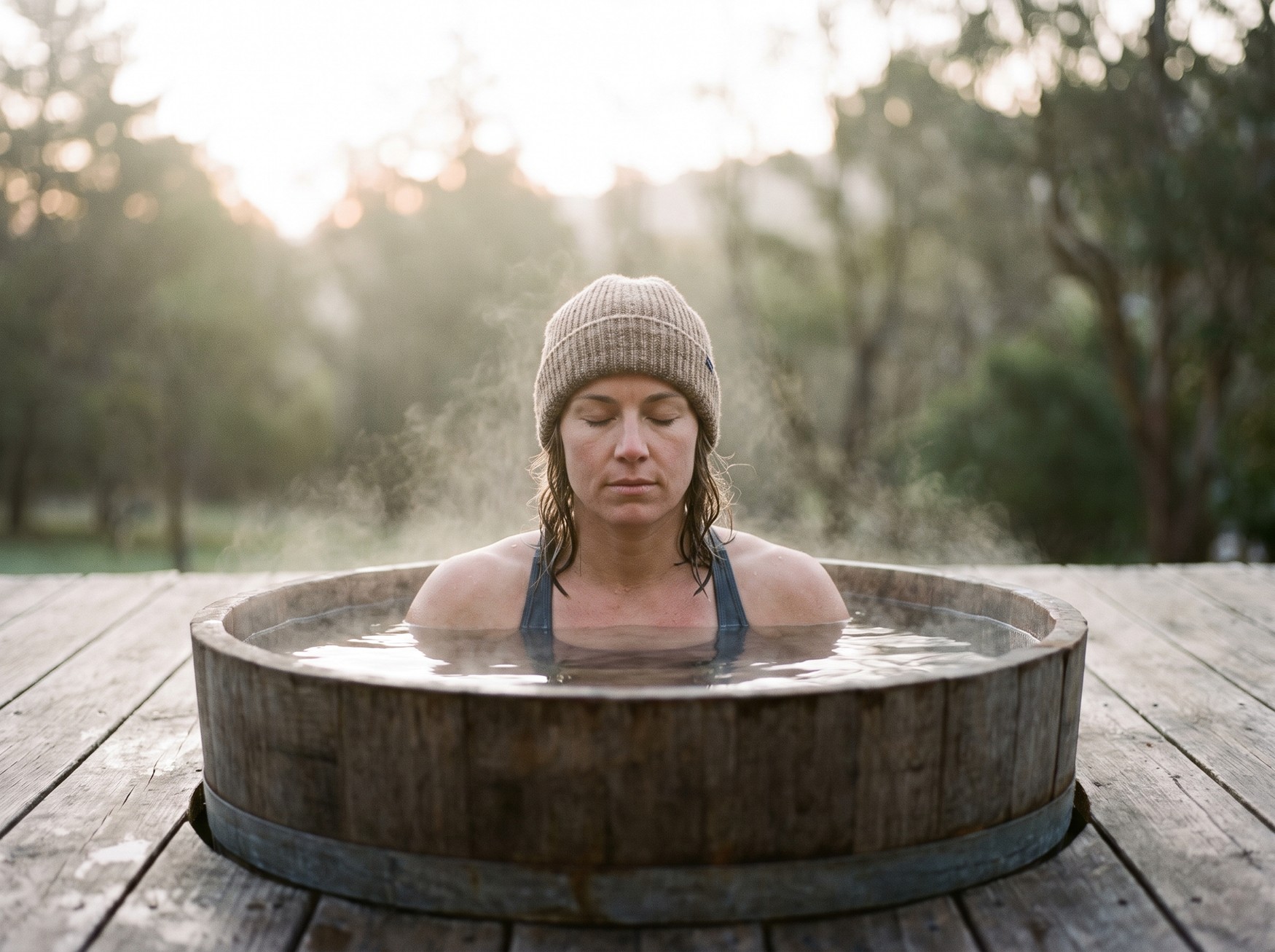
Cold plunge in progress
Controlled cold water immersion is linked to reduced inflammation markers and lower post-exercise soreness in recent clinical research.
A 2025 systematic review and meta-analysis published in PLOS ONE, led by Cain and colleagues, pooled data from 3,177 participants across 11 randomized controlled trials. It found significant reductions in perceived stress after cold water immersion at or below 15°C, with inflammation markers improving in a time-dependent way, meaning longer or more consistent exposure produced better results than a single dunk. You can read the full analysis at PMC/NIH’s systematic review.
A separate 2025 network meta-analysis in Frontiers in Physiology narrowed the picture further. Researchers compared different temperature “doses” of cold water immersion and found that 5 to 10°C was most effective for reducing muscle soreness and lowering blood creatine kinase levels after exercise, a marker of muscle damage. Colder isn’t automatically better past that range. The full study is available through Frontiers in Physiology.
As for why any of this works, Mayo Clinic Health System explains the mechanism in plain terms: cold exposure triggers vasoconstriction, which narrows blood vessels and reduces inflammation and swelling in the moment. When the body rewarms afterward, vasodilation follows, flooding tissue with oxygenated blood. That two-phase process, not the shock value of freezing water, is what drives the recovery benefit. Details are in Mayo Clinic Health System’s guidance on cold plunging.
The takeaway for anyone shopping for a chiller: precise, repeatable temperature control in the 5 to 10°C range matters more than raw cooling power or brand hype.
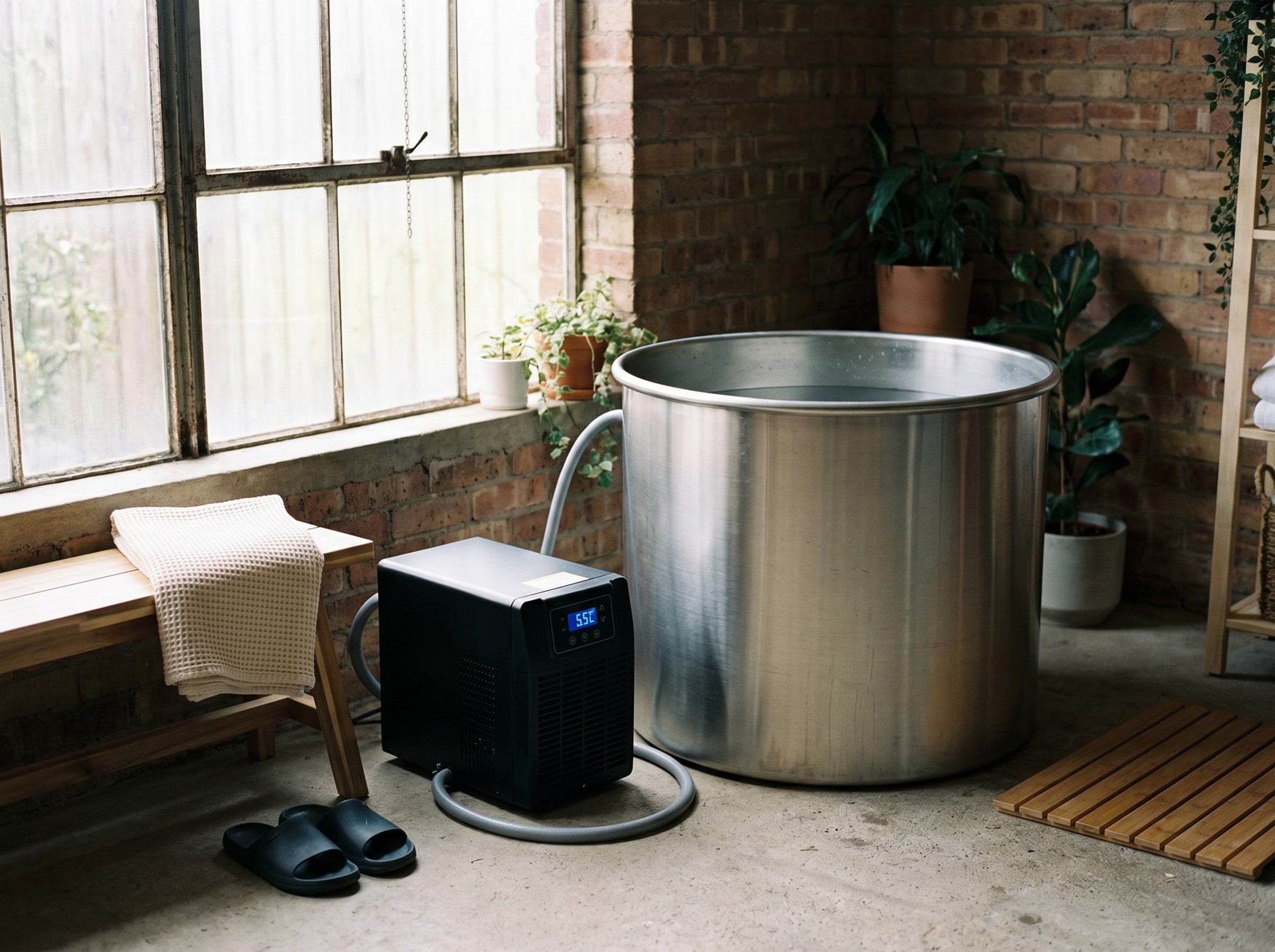
Home cold plunge chiller setup
Horsepower, temperature range, and app control are the key specs to compare across chiller brands.
A few criteria separate a chiller that holds up over years of use from one that struggles by its second summer:
With those criteria in mind, here’s how the leading chiller companies stack up in 2026.
Warrior Willpower website
Source: Warrior Willpower
Warrior Willpower builds chillers ranging from 0.5 HP to 1.5 HP, covering everything from a single-person barrel to a full-size backyard tub. Every unit pairs with a Wi-Fi app for remote temperature scheduling, which matters if you’re trying to stay inside that evidence-backed 5 to 10°C window rather than guessing. The company has sold to more than 220,000 customers and counts NBA and NFL athletes among its users, which says something about reliability under daily, high-demand use.
What sets the brand apart from a pure gear standpoint is the cold plunge chiller collection itself: buyers can match horsepower to tub size precisely instead of overpaying for a unit designed for a commercial pool. Warrior Willpower backs its chillers with a 60-day trial guarantee and a 2-year warranty, longer than several competitors on this list, and its emphasis on controllable low temperatures over extreme cold lines up with what the research actually supports.
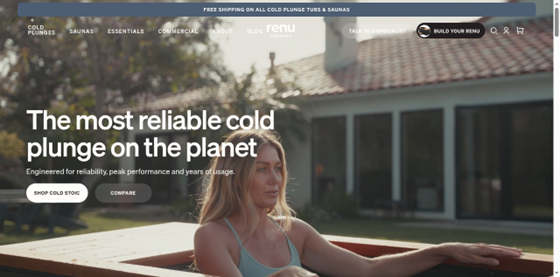
Renu Therapy website
Renu Therapy’s Cold Stoic 3.0 chiller, built for quiet operation.
Renu Therapy’s flagship product, the Cold Stoic 3.0, is a 0.5 HP chiller built around quiet operation, a common complaint with entry-level units. It uses dual-stage filtration, which cuts down on the need to drain and refill the tub after every session. It’s a solid option for a single user who prioritizes low noise over raw cooling speed.
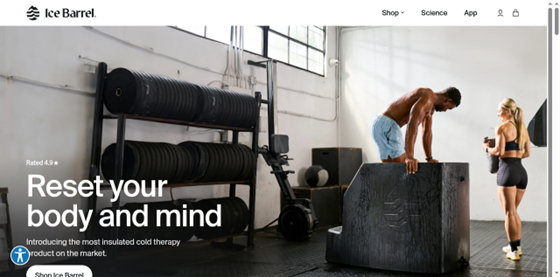
Ice Barrel website
Ice Barrel’s manual-fill barrel tub with optional add-on chiller.
Ice Barrel takes a different approach entirely. Its base barrel, priced around $1,150, requires no electricity at all, you fill it manually with ice and water. An optional add-on chiller runs closer to $3,500 for buyers who want automated cooling later. It’s a reasonable entry point for someone who wants to test cold exposure before committing to a full chiller system.
Plunge website
Plunge’s all-in-one tub-and-chiller system for home use.
Plunge sells all-in-one tub-and-chiller systems aimed at the mainstream home market. The company’s 2025 Wefunder crowdfunding round was oversubscribed, a sign that consumer demand for turnkey setups keeps growing. The tradeoff is less modularity: you’re buying a packaged system rather than selecting a chiller to match a tub you already own.
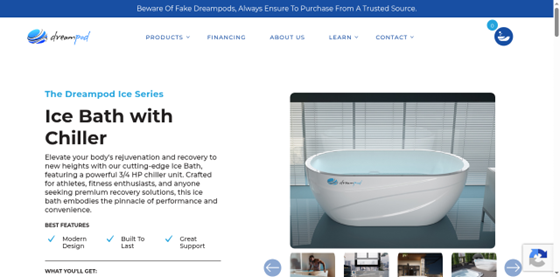
Dreampod website
Dreampod’s portable Ice Bath Flex system with chiller.
Dreampod’s Ice Bath Flex with Chiller, priced around $3,515, is a portable, inflatable unit with 3/4 HP cooling that can bring water down to 37°F. Portability is the selling point here. It packs down for travel or storage, which matters for anyone without dedicated space for a permanent tub.
Morozko Forge website
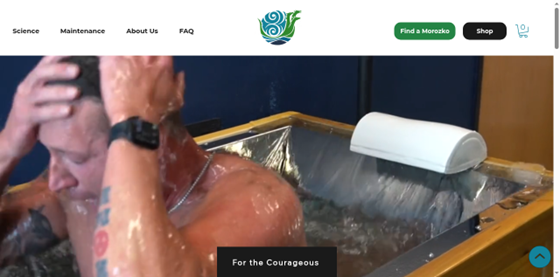
Morozko Forge’s glacier-style tank, built for rapid, deep cooling.
Morozko Forge built its reputation on glacier-style tanks capable of rapid, deep cooling, and it’s popular among high-performance athletes who want colder sessions than most home units can reach. That capability comes at a premium price point, and given the Frontiers 2025 findings on the 5 to 10°C sweet spot, buyers should weigh whether extreme cold actually adds recovery benefit or just adds discomfort.
Stainless steel ice bath tub with chiller
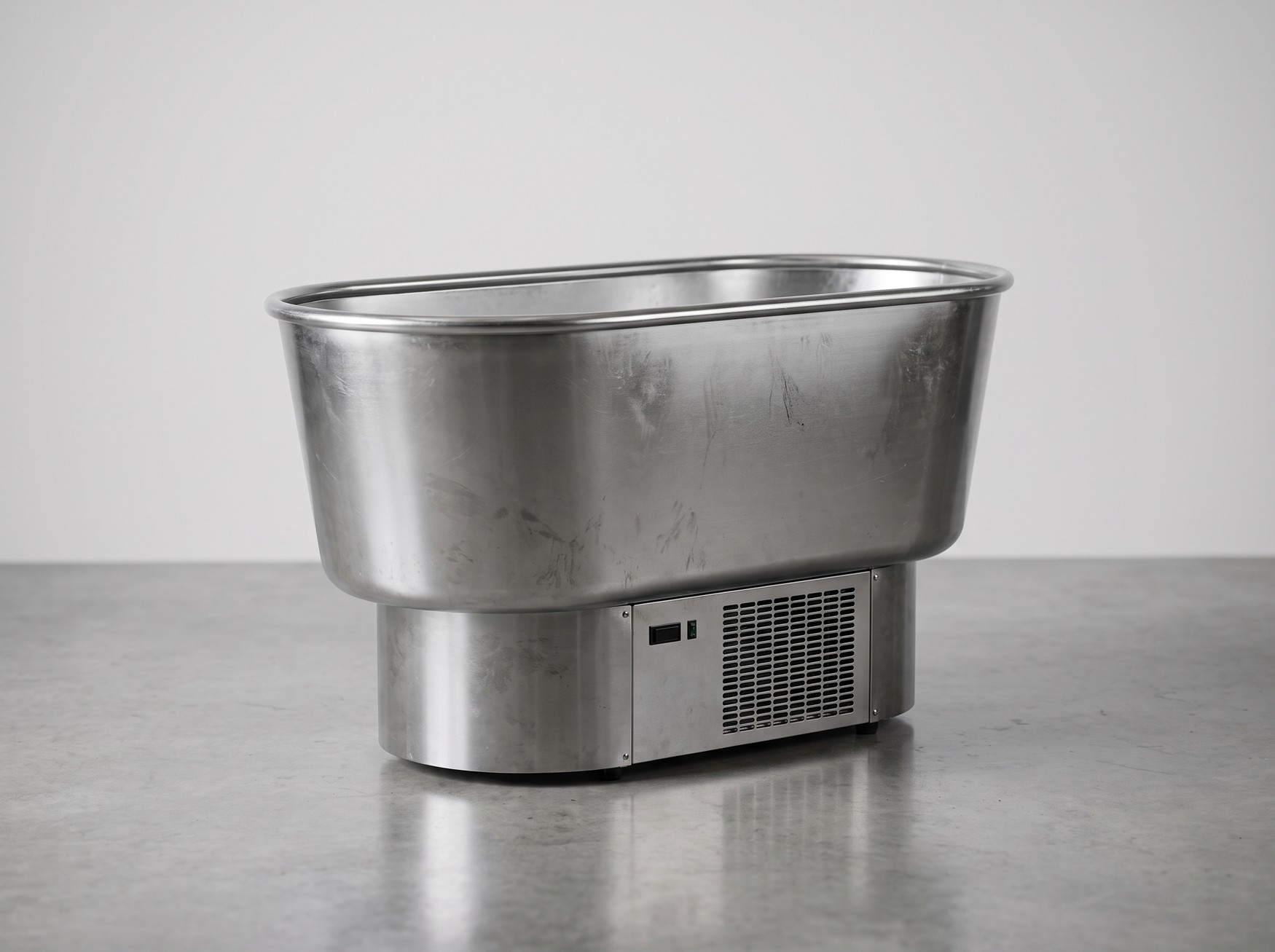
A stainless steel ice bath tub with an integrated chiller unit.
The Ice Bath Co. makes full-size stainless steel tubs with integrated chiller options, positioned for both home use and studio or commercial settings. The stainless build tends to hold up better over years of daily use than plastic alternatives, which matters for gyms and recovery centers running multiple sessions a day.
Cold water immersion isn’t risk-free, and the research supports starting conservatively. The Frontiers 2025 findings suggest sessions under 10 minutes are enough to see soreness and inflammation benefits, so there’s no need to push past that early on. Avoid extreme sub-5°C temperatures without supervision, since the discomfort can mask early signs of overexposure. People with cardiovascular conditions or Raynaud’s disease should talk to a doctor before starting, since sudden cold exposure raises heart rate and blood pressure. If you’re already managing an injury, pairing cold exposure with targeted therapy for muscle pain and injury recovery or specific exercises that support faster injury recovery tends to produce better outcomes than cold alone.
The clinical research is fairly consistent on this point: moderate, repeatable cold exposure in the 5 to 10°C range beats extreme cold for reducing inflammation and muscle soreness. That means the company you choose should be judged on temperature control precision and reliability, not marketing claims about how cold a unit can get. Warrior Willpower’s app-controlled range and warranty coverage make it a strong match for that evidence-based approach, while the other companies on this list serve more specialized needs, from budget entry points to portable travel setups. If recovery is the goal rather than novelty, pair whichever chiller you choose with other strategies to boost stamina and energy for a more complete routine.
Comments (0)