Best Red Light Therapy Devices: Full-Body Buyer Guide
2 months ago 211

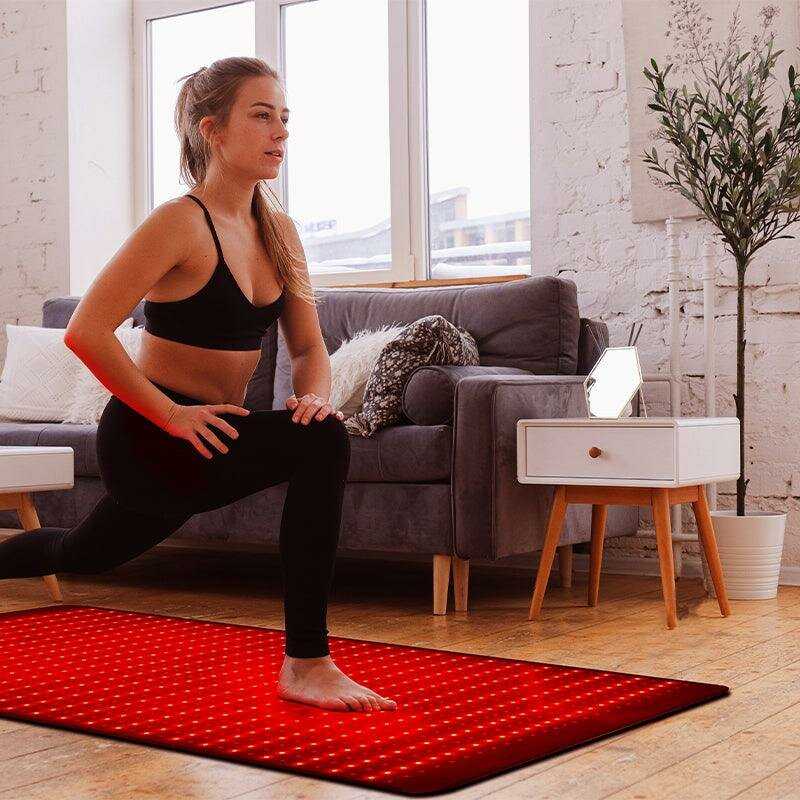
Shoppers comparing a red light therapy bag, mat, or blanket usually want a full‑body device that fits a real routine and delivers more than hype. Coverage, wavelength quality, and ease of use matter far more than flashy claims. This guide breaks down the best devices by format, explains what affects results, and helps narrow choices for skin health, muscle recovery, and pain relief.
Full‑body devices support several goals at once: body red light therapy for sore muscles, skin rejuvenation for fine lines, and a practical wellness routine without clinic visits. That appeal makes the category crowded. Bags, mats, blankets, and other full‑coverage options all promise convenience, but they work differently in daily use. Some wrap around the body for a cocoon‑like experience; others lay flat for easy positioning on a bed or floor. The best choice depends on consistency, wavelength quality, and coverage without hassle. This guide compares formats so readers can focus on what fits their space, budget, and goals.
Red light therapy is photobiomodulation – using light to influence cell function. Red and near‑infrared light are absorbed by tissue and help the body produce cellular energy more efficiently. That energy support is why people use these devices for skin health, tissue repair, muscle recovery, and joint pain. Surface benefits come from collagen stimulation and a healthier complexion; deeper wavelengths address chronic pain, stiffness, and post‑workout soreness. The light does not “fix everything,” but it helps the body do its normal repair work more effectively. Regular short sessions beat occasional long marathons – they fit daily life better and drive better adherence.
Red light works for superficial goals: skin rejuvenation, fine lines, and complexion. Near‑infrared penetrates deeper, so it is linked to muscle recovery, joint pain, and tissue repair. Dual‑wavelength technology combines both in one device, giving broader usefulness without separate products. That is why many full‑body devices use both together.
Results are gradual. Common goals include smoother skin, better collagen, and some pain relief or muscle comfort after consistent use. Improvements build over weeks, not overnight. Session time, distance from LEDs, and frequency all influence outcomes, so the best device is the one that makes steady use realistic.
Full‑body devices suit people who want broad treatment coverage rather than spot treatment. Athletes use them for muscle recovery and soreness. Others focus on chronic pain, joint pain, or a calmer recovery routine after work. Many shop for skin rejuvenation, fine lines, and an at‑home wellness routine more convenient than spa visits. Home users like these devices because they can stay consistent without leaving home. Space, budget, and portability guide the final decision. A compact mat fits an apartment; a bag or blanket feels more immersive but needs more storage.
|
Device type |
Best for |
Standout feature |
|
Best overall full‑body device |
Simplest all‑around choice |
Balanced coverage and controls |
|
Best red light therapy bag |
Wraparound exposure |
Enclosed design for consistency |
|
Best red light therapy mat for value |
Budget‑conscious shoppers |
Strong coverage at lower price |
|
Best customizable full‑body mat |
Households with different needs |
Adjustable intensity |
|
Best compact device |
Small spaces and travel |
Easy storage, lighter footprint |
The comparison below focuses on practical fit, not spec overload. Coverage, comfort, and ease of use matter as much as LED counts – that helps sort the best devices for a real household, not just a product page.
Below are the most useful picks for different routines, spaces, and budgets.
The best all‑around option gives broad body red light therapy without routine friction. It should combine full‑body coverage, dual‑wavelength LEDs, and simple daily controls. These devices appeal to buyers who want one purchase for skin, muscle, and relaxation. The best models include adjustable settings, a timer, and a comfortable design that is easy to set up. A well‑balanced mat or blanket suits people who do not want to learn a complicated system. The trade‑off is price – user‑friendly devices are not always cheapest. Still, for minimal hassle and broad usefulness, this is often the smartest start. Look for a device large enough for full coverage without awkward repositioning. Solid build, clear controls, and reasonable storage beat extra modes nobody uses.
A red light therapy bag feels like an enclosure. Instead of lying on a flat surface, you slide into a wraparound setup for an immersive session. Bags appeal to people who want full‑body exposure with convenience and containment. Enclosed designs help you stay in the correct position, improving consistency. They feel warmer and more cocoon‑like than open mats – some find that relaxing. The best bag suits someone who wants broad coverage and does not mind a larger storage footprint. It is attractive for those who value ease over minimalism. The trade‑off is flexibility – bags are less versatile for partial or seated use than an open mat. Buyers who want a simple, repeatable daily setup often prefer this format because it reduces decision fatigue. For full‑body immersion, a bag is often easier to stick with than a device that requires careful positioning every time.
A value‑focused mat should hit a sweet spot between useful coverage and an approachable price. The best models offer red and near‑infrared light, decent timers, and enough surface for daily use, but skip premium extras. That makes them ideal for buyers who want a real wellness tool without overspending on features that may not change outcomes. A good mat works well on a bed, floor, or bench, adding flexibility for a tight routine. Compared with higher‑end options, the trade‑off is usually fewer controls, less plush construction, or less refined storage. Even so, a strong value pick can be a better long‑term purchase if it gets used more often. In this category, consistency matters more than luxury. The value question is simple: does the mat offer enough coverage, intensity, and timer flexibility for regular sessions? If yes, a mid‑priced model may outperform a premium device left in the closet.
Customization matters, especially in shared households or for users sensitive to light intensity. The best customizable mat includes adjustable intensity, multiple timer options, and sometimes pulsing or mode controls. These features let you fine‑tune comfort for different goals – pain relief, muscle recovery, or skin support. A flexible mat helps new users ease in gradually instead of starting with an intense setup. But more controls should still be easy to understand – a complicated interface reduces use. Portability and durability matter too – a customizable mat is often the one people plan to use for years. Sturdy materials, easy cleaning, and dependable wiring are worth attention. This type is especially useful when more than one person uses it – a setting perfect for one may be too strong for another, so adjustable controls improve practicality.
The best compact device is built for apartments, travel, and limited storage. It will not usually match a large mat or bag for full‑body coverage, but it can still be a smart choice if simplicity wins over size. Compact devices are easier to move, store, and less intimidating for first‑time buyers. They fit well in a hallway closet or under a bed – a real advantage for small homes. The trade‑off is obvious: smaller coverage means more repositioning for body‑wide treatment. Still, compact models can be the most realistic option for people who will use them several times per week. If your main goals are targeted recovery, skin health, or a portable routine, a smaller format can be more practical than a large mat that never leaves the box. Choose compact when storage and convenience are top priorities – if a big device would be a burden, the smaller choice often wins because it gets used consistently.
These three formats solve the same problem differently. A mat is the most straightforward: lay it flat, position your body, and start. A bag adds enclosure and a wraparound feel, which some like for warmth and consistency. A blanket sits between – more practical for full‑body coverage without a rigid setup. Mats are easier to unfold and position; bags feel more immersive and convenient once inside. Blankets are good for lounging on a couch or bed, but they may not stay in place as neatly as a structured mat. For pain relief, either bag or mat can work – it depends on whether you want broad treatment or easier positioning. For skin health, any format works if the wavelength and usage are right. The right choice often comes down to routine, body size, and room space, not the device type alone. There is no universal winner. A product that looks less exciting on paper can fit daily life better – that matters more than marketing language about “ultimate” therapy.
An open mat suits floor, bed, or bench use and is the easiest format to understand. It gives clear placement options and is simpler to handle than an enclosed design. Buyers who want flexibility and less bulk often find mats the easiest to live with.
Enclosed designs feel more immersive because they create a warmer, more contained session. That convenience improves follow‑through, especially for full‑body coverage. A bag or blanket is often better when comfort and ease of use matter most.
The most expensive device is not always the best for a given buyer. Specs matter only when they translate into better day‑to‑day use. Focus on wavelength quality, coverage, controls, safety, and long‑term practicality. Buyers often get distracted by LED counts or broad wellness claims, but the real question is whether the device supports regular sessions with the right balance of comfort and performance. A good purchase should be easy to open, use, and store. It should match your goal – skin support, muscle recovery, or chronic pain management. Products with dual‑wavelength technology, reliable build, and clear timers offer more value than flashy features that look good only in photos. Evaluating those basics first leads to better satisfaction after the honeymoon period.
Most buyers should look for a mix of red and near‑infrared wavelengths. That combination makes dual‑wavelength technology useful for both skin and deeper tissue goals. Red light is better for surface benefits; near‑infrared is more often chosen for muscle recovery and joint pain.
Full‑body coverage is not just surface area on a product page. Taller or broader users may need longer or wider devices to avoid constant repositioning. Better fit means better comfort, and comfort means better adherence.
Adjustable intensity settings are useful because not everyone wants the same experience. Some prefer lower output for longer sessions; others want more direct treatment. Timer controls, pulsing modes, and remotes can make a device more approachable – especially for beginners who want a straightforward routine.
FDA‑cleared claims should be verified carefully. The term usually means a device has been reviewed for a specific intended use – not a blanket promise that all marketing claims are proven. Look for safety certifications, overheating protections, and materials durable enough for regular full‑body sessions. With prolonged use, those details matter more than most expect.
Weight, foldability, and storage shape real‑world use. A device that is a pain to put away gets used less. Durable stitching, reliable connectors, and easy‑to‑wipe materials support long‑term ownership. Simpler storage leads to more consistent use – and consistency is the difference between a useful tool and an expensive impulse buy.
Some devices work when used correctly and consistently. The strongest evidence supports pain relief, muscle recovery, and skin‑support benefits like fine lines and texture improvements. Results are not guaranteed, and device quality matters a lot. Wavelength range, intensity, session timing, and coverage all affect usefulness. Well‑made devices often outperform cheaper models with vague specs. Treat red light therapy as a wellness support tool, not a miracle fix. For some, benefits are noticeable and worthwhile. For others, effects are subtle but still valuable when folded into a broader recovery or skin care routine. Read marketing promises with skepticism.
Yes, bags can be effective for the right user. Their main advantage is wraparound coverage, which makes full‑body sessions more convenient and consistent. The enclosed format appeals to those who want an immersive experience and less repositioning. Effectiveness still depends on wavelength, intensity, and regularity. Compared with mats, bags may feel more like a complete session, while mats are easier to position and store. If convenience and enclosure improve adherence, a bag is better.
The best brand depends on what matters most: coverage, budget, portability, or control options. Top brands separate themselves with clearer specs, stronger safety attention, and designs that fit daily use. Brand reputation helps, but it should not replace checking actual product details. A lesser‑known brand with better wavelength data, better coverage, and better usability can be a smarter buy than a familiar name with weaker features. The right brand supports your main goal without overcomplicating the purchase.
Wondear and Megelin are often compared because both target buyers who want broad at‑home red light therapy without going all the way to a large clinical setup. Wondear appeals to value‑focused shoppers who want strong coverage and straightforward use at a more accessible price. Megelin suits buyers who are more feature‑focused and willing to pay for a more polished, enclosed experience. The bag‑style format matters as much as the LED count, since wraparound exposure affects convenience and consistency. If the main priority is lower cost and practical value, Wondear is often the cleaner pick. If you want a more immersive setup and do not mind spending more for features or presentation, Megelin may be better. A simple rule: choose Wondear for value, Megelin for features and feel.
Correct use matters as much as the device. Most users get best results from shorter, regular sessions rather than rare marathons. A common starting point is a few sessions per week, with length based on the manufacturer’s guidance. Position close enough for effective exposure but not so close that it feels uncomfortable. Clothing blocks light, so direct skin exposure is usually best when safety allows. Beginners should keep it simple: pick a time, use the same setup, and track responses over a few weeks. That consistency helps reveal whether the device delivers value for pain relief, skin health, or muscle recovery.
For the first two weeks, start with three to four sessions per week at moderate duration. If comfortable and well‑tolerated, gradually increase frequency or slightly extend time. Build a sustainable, not exhausting, routine.
Overuse, inconsistent timing, and poor positioning are the biggest mistakes. Follow safety instructions instead of assuming more light means better results. A device used randomly is far less effective than one used steadily.
Do red light therapy devices actually work?
Yes, some do. Best‑supported uses include pain relief, muscle recovery, and skin support like fine lines or texture. Results depend on device quality, wavelength, and consistent use.
How often should you use a full‑body red light device?
Most users do well with several sessions per week. Skin and recovery goals may differ slightly, but consistency matters more than long, occasional sessions.
Is a red light therapy mat better than a blanket?
A mat is usually easier to position and simpler for floor or bed use. A blanket often feels more comfortable and wraparound, which can help with convenience and full‑body coverage.
Can red light therapy help with chronic pain and muscle recovery?
It may help some users, especially when near‑infrared is included for deeper tissue support. Best results come from a device with solid coverage, good dosing, and regular use.
The best devices are those that fit your goal, your room, and your routine. Buyers focused on pain relief or muscle recovery may lean toward larger mats or bags with near‑infrared. Skin health shoppers may prefer a device easy to use daily. Budget and space should narrow the field quickly. If full‑body coverage matters most, look for a mat or bag with dual‑wavelength technology and simple controls. If storage is tight, choose a compact model that still gets used regularly. Above all, prioritize proven specs and practical usability over flashy extras. The right device turns red light therapy into a repeatable habit, not just a one‑time purchase.
Comments (0)