Why Baby Teeth Cavities Still Matter, Even Though They Fall Out Anyway
9 hours ago 19

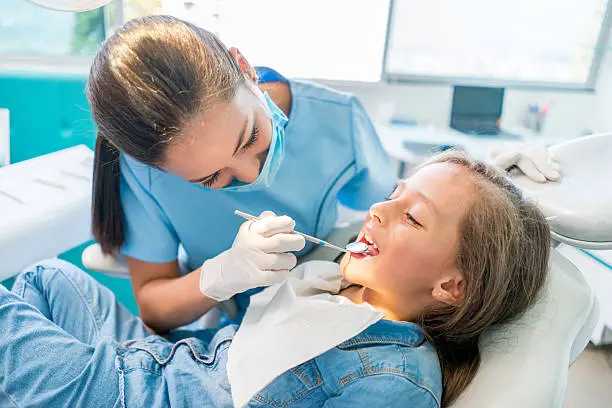
It's one of the most common things parents say to themselves when a dentist points out a cavity in a toddler's molar: "It's just a baby tooth. It's going to fall out anyway." On the surface, that logic seems sound. If a tooth is temporary, why treat decay in it the same way you'd treat decay in a permanent tooth?
The answer is that baby teeth do a lot more work than most parents realize, and untreated decay in them can cause problems that follow a child well past the point their adult teeth come in.
Cavities are not a rare problem. According to the Centers for Disease Control and Prevention, by age 8, over half of children — 52 percent — have already had a cavity in their primary teeth, and children from lower-income households are about twice as likely to have untreated cavities as children from higher-income households. The CDC also notes that cavities remain the most common chronic disease of childhood in the United States, more common than asthma or seasonal allergies.
Those numbers surprise a lot of parents, partly because baby teeth decay can be harder to spot early on. The enamel on primary teeth is thinner than on adult teeth, so cavities can progress from a small spot to a deeper problem more quickly.
Primary teeth aren't just placeholders. They perform several jobs that matter right now, not just in the future:
They hold space for adult teeth. Each baby tooth acts as a guide for the permanent tooth developing underneath it. When a baby tooth is lost too early — because of untreated decay, for example — nearby teeth can shift into that space, leaving the eventual adult tooth crowded or misaligned when it finally comes in. This is one of the more common preventable causes of orthodontic problems later on.
They support chewing and nutrition. A child in pain from a cavity often shifts to eating soft, less nutritious foods, or avoids using one side of their mouth. Over months, this can affect diet quality at a stage when good nutrition matters for growth.
They support speech development. Front teeth in particular help children form certain sounds correctly. Losing them early, or dealing with pain that makes a child reluctant to open their mouth fully, can interfere with speech patterns while they're still developing.
They affect long-term dental habits and comfort with dental care. A child's early experiences with tooth pain, dental visits, and treatment shape how they feel about oral health as they get older. Painful, late-stage treatment for a cavity that could have been caught early often creates dental anxiety that lingers into adolescence and adulthood.
Cavities are a progressive condition. Once the enamel is compromised, decay tends to spread rather than stall, especially in primary teeth. Left untreated, a small cavity can progress into the tooth's nerve, leading to infection, abscess, and in some cases the need for extraction well before the tooth would naturally fall out. An infection in a baby tooth can also affect the permanent tooth developing beneath it, occasionally causing discoloration or enamel defects in the adult tooth before it even erupts.
This is part of why the American Academy of Pediatric Dentistry recommends a child's first dental visit happen by their first birthday or within six months of their first tooth coming in — well before most parents assume a dental visit is necessary. Early visits are less about treating problems and more about catching small issues, like early decay or bite development concerns, before they become bigger ones.
A few habits make the biggest difference in preventing early childhood cavities:
For families looking for more detail on what a preventive-first approach to children's dental visits actually looks like in practice — including how dentists handle nervous or first-time young patients — pediatric dentistry in Clairemont is a useful example of how local practices structure early visits around comfort and prevention rather than just treatment.
Baby teeth are temporary, but the consequences of neglecting them aren't. They hold space for adult teeth, support nutrition and speech, and shape how comfortable a child feels with dental care for years afterward. Treating a cavity in a primary tooth isn't about the tooth itself lasting forever — it's about protecting everything that tooth is doing in the meantime.
Parents who stay on a regular checkup schedule, starting around a child's first birthday, catch most of these issues while they're still small and easy to manage. That single habit does more to prevent long-term dental problems than almost anything else a family can do.
Comments (0)