Healthy Recovery Habits That Can Support Healing After a Motorcycle Crash
20 hours ago 33

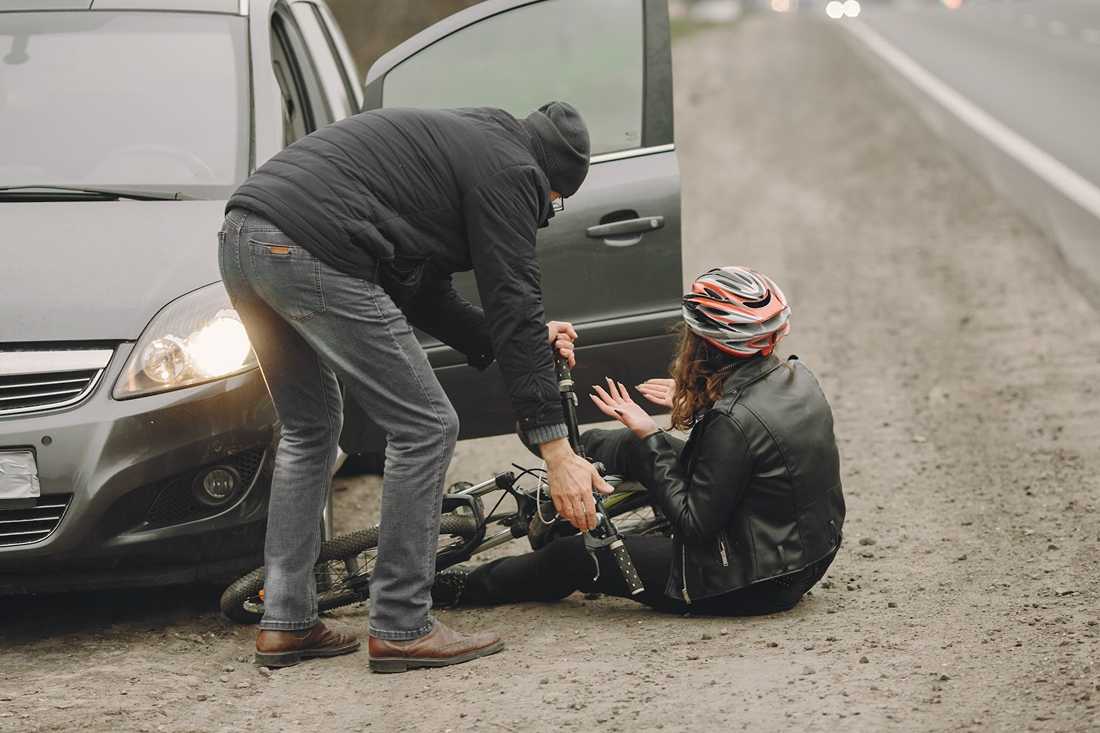
Recovering from a motorcycle crash is rarely as simple as waiting for injuries to heal, as it can affect nearly every part of daily life, from how you move and sleep to how you work, exercise, and interact with the people around you.
Many people focus only on medical treatment, but healing continues long after leaving the hospital, as the choices you make each day can influence how quickly you recover. Although building healthy habits during this period does not guarantee a quick recovery, but it gives your body and mind the best possible environment to heal.
One of the biggest mistakes people make is assuming that less pain automatically means complete healing. After a few weeks, swelling may decrease, bruises begin to fade, and movements feel easier. That progress is encouraging, but many injuries continue healing beneath the surface long after symptoms improve.
During this stage, bones would continue to strengthen, muscles would begin to regain stability, and damaged tissues would gradually start to repair. However, skipping follow up appointments or ending physical therapy early can interrupt that healing process. While it may seem tempting to return to normal routines as quickly as possible, doing too much too soon can cause setbacks that require even more recovery time.
This is one of the major reasons why healthcare providers develop treatment plans based on how injuries heal, not on how someone feels from one day to the next.
Food becomes especially important after an injury because your body needs additional resources to repair damaged tissue. Protein supports muscle repair and tissue rebuilding, while vitamins and minerals contribute to bone health, immune function, and wound healing.
Likewise, staying hydrated deserves attention because water supports circulation and helps transport nutrients throughout the body. Even mild dehydration can contribute to fatigue, making recovery feel more difficult than it needs to be. View every balanced meal as another opportunity to support your body's healing process.
Many people underestimate how much healing occurs while they are asleep. During deep sleep, the body carries out many of its natural repair processes, including the release of hormones involved in tissue repair, the recovery of muscles from daily activity, and the continued work of the immune system to support healing.
Unfortunately, injuries often make quality sleep difficult, which is why pain, limited mobility, medication schedules, or emotional stress usually interrupt normal sleeping patterns. While creating a comfortable sleep environment can help, first consider using supportive pillows, maintaining a consistent bedtime routine, reducing screen time before bed, and following medical advice on pain management before your sleep quality improves.
It is completely understandable to want life to return to normal as quickly as possible. However, recovery is not a race, and comparing yourself to your pre accident abilities usually creates unnecessary disappointment.
Instead of focusing on what you cannot do yet, celebrate gradual progress. Walking a little farther, improving your range of motion, or completing rehabilitation exercises more comfortably are meaningful achievements you should consider trying. As your healthcare team approves new activities, rebuilding strength gradually helps restore confidence while reducing the risk of reinjury.
Physical injuries are usually visible, but emotional recovery is often much harder for others to recognize. After a motorcycle crash, some people experience anxiety about riding again, fear of traffic, frustration over temporary limitations, or sadness about changes to their daily routine.
Others replay the accident repeatedly in their minds or become unusually nervous whenever they travel by road. These emotional responses are common after traumatic experiences and deserve the same attention as physical injuries.
Talking with trusted family members or mental health professionals can make recovery feel less isolating. Processing difficult emotions does not mean you are weak; it simply acknowledges that serious accidents affect both the body and the mind.
Many people struggle to ask for help because they are used to being independent. After an accident, simple tasks such as grocery shopping, preparing meals, or carrying heavy objects may suddenly become difficult or even impossible for a while.
Accepting help from family members or neighbors allows you to focus your energy where it belongs, which is on healing properly. Most people genuinely want to support someone they care about during difficult times, so allowing them to assist with these responsibilities can reduce stress while preventing unnecessary strain on healing injuries.
Recovery often involves much more than attending medical appointments, as there may be prescriptions to manage, therapy schedules to remember, and records of medical expenses to organize.
Keeping these documents together can reduce stress later, especially if questions arise about treatment or recovery progress. In situations where legal questions develop following the collision, organized records can also become valuable.
For instance, motorcycle accident lawyers frequently encourage clients to maintain accurate documentation of medical treatment, expenses, and recovery progress because these records often help clarify how injuries have affected daily life.
They may also review medical documentation alongside accident reports and other evidence to better understand the long term impact of a collision. Regardless of whether legal issues arise, staying organized makes an already difficult recovery feel more manageable.
Every motorcycle accident is different, and so is every recovery. Two people with injuries that appear similar on paper may heal at completely different rates due to differences in age, health, prior medical conditions, and lifestyle.
Reading stories online or comparing yourself to others can create unrealistic expectations that only add frustration. Instead, focus on your own progress because every improvement, no matter how small, represents another step forward. Healing is rarely linear, so some days will feel encouraging, while others may seem slower than expected. Always remember that both are normal parts of recovery.
Healing after a motorcycle crash involves much more than treating visible injuries; it requires caring for your physical health, daily routines, and long term lifestyle. Recovery may not happen overnight, but healthy habits can make every step of that journey more manageable and meaningful.
Comments (0)