Egg Freezing vs Embryo Freezing: Key Differences
2 months ago 147

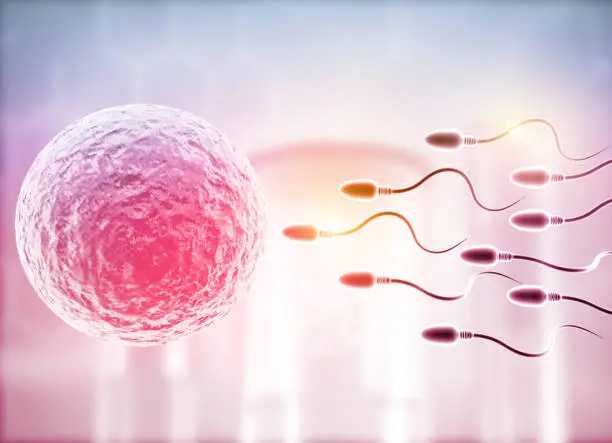
Egg freezing and embryo freezing are fertility preservation options that allow eggs or embryos to be stored for possible future use. Both involve assisted reproductive technology, ovarian stimulation and laboratory freezing, but they differ in what is frozen, when fertilisation happens and who may consider each option.
Egg freezing stores unfertilised eggs. Embryo freezing stores fertilised eggs that have developed into embryos after sperm and eggs are combined in a laboratory. This difference affects the process, future use, consent requirements, suitability and planning considerations.
Egg freezing, also known as oocyte cryopreservation, is a process where mature eggs are collected from the ovaries, frozen and stored for possible future use. The eggs are not fertilised before freezing.
If the woman chooses to use the frozen eggs later, they are thawed and fertilised with sperm in a laboratory as part of an IVF process. If embryos develop, one or more may be transferred into the uterus, depending on medical advice and local regulations.
Egg freezing may be considered by women who want to preserve fertility potential before they are ready to try for pregnancy, or by women who need fertility preservation before medical treatment that may affect ovarian function.
Embryo freezing is the process of freezing embryos created through IVF or ICSI. This means eggs are collected from the ovaries, fertilised with sperm in the laboratory and monitored as they develop. Suitable embryos may then be frozen and stored for possible future embryo transfer.
Embryo freezing may be considered by couples undergoing IVF, patients who have extra suitable embryos after an IVF cycle, or patients who need to delay embryo transfer for medical or treatment-planning reasons.
Because embryos are already fertilised, embryo freezing involves decisions about sperm source, embryo storage, consent and future use.
The main difference is what is stored.
Egg freezing stores:
Embryo freezing stores:
Egg freezing preserves eggs before fertilisation. Embryo freezing preserves embryos after fertilisation.
In egg freezing, fertilisation happens later, only if the woman decides to use the eggs in the future. The eggs must first survive thawing, then be fertilised with sperm, then develop into embryos before transfer can be considered.
In embryo freezing, fertilisation happens before freezing. This means the clinic may already know how many embryos developed and whether any are suitable for freezing.
This can make embryo freezing feel more informative for some patients because fertilisation and early embryo development have already occurred. However, embryo freezing also requires sperm at the time of the cycle and involves decisions around embryo ownership and consent.
Egg freezing may be suitable for women who want to preserve eggs without fertilising them immediately.
It may be considered by women who:
Egg freezing may offer more independence at the time of storage because sperm is not required during the freezing cycle.
Embryo freezing may be considered when sperm is available and the patient or couple is ready to create embryos.
It may be suitable for:
Embryo freezing may be discussed when the goal is to store embryos rather than unfertilised eggs.
Egg freezing generally involves the woman’s eggs only. Future use will still depend on clinical suitability, sperm availability and local regulations, but fertilisation has not yet happened.
Embryo freezing involves both eggs and sperm. This means consent and decision-making can be more complex. Patients should understand what happens if relationship circumstances change, if one party withdraws consent, or if stored embryos are no longer wanted.
Before embryo freezing, patients should ask:
These questions should be discussed before embryos are created and frozen.
Egg freezing may provide more flexibility for women who have not yet decided when or with whom they may try for pregnancy. Since the eggs are unfertilised, decisions about sperm and embryo creation can be made later.
Embryo freezing may provide more information upfront because fertilisation and embryo development have already taken place. However, it may offer less flexibility if the embryos were created with a partner and future use depends on continued consent.
The more suitable option depends on personal circumstances, relationship status, fertility goals and medical advice.
Egg freezing provides information about how many mature eggs were collected and frozen. However, it does not show whether those eggs will later survive thawing, fertilise, develop into embryos, implant, or result in pregnancy.
Embryo freezing provides more information about early development because fertilisation has already occurred. Patients may know how many embryos developed and were suitable for freezing. However, embryo freezing still does not guarantee pregnancy.
Both options involve uncertainty. Patients should ask for realistic expectations based on age, ovarian reserve, egg number, embryo development and future treatment plans.
Egg freezing and embryo freezing both usually begin with ovarian stimulation. The early stages may be similar.
The process may include:
After egg retrieval, the pathways differ.
For egg freezing:
For embryo freezing:
Embryo freezing may involve additional laboratory steps and updates after egg retrieval.
Frozen eggs cannot be transferred directly into the uterus. They must first be thawed, fertilised with sperm and developed into embryos before embryo transfer can be considered.
Frozen embryos are already fertilised and may be thawed for a future frozen embryo transfer cycle if suitable.
Future use may involve:
Patients should ask what the future process would look like for each option, not just the freezing stage.
Costs can differ between egg freezing and embryo freezing. Both may involve consultation, blood tests, scans, medication, ovarian stimulation, egg retrieval, anaesthesia, laboratory fees and storage.
Egg freezing costs may include:
Embryo freezing costs may include:
Patients should ask for a detailed estimate because medication, laboratory procedures, freezing and storage may be billed separately.
Age is an important factor in both egg freezing and embryo freezing because egg quality and quantity generally decline over time. Freezing at a younger age may be associated with better egg quality, although outcomes still vary between patients.
Women considering egg or embryo freezing should ask:
Age should be considered together with ovarian reserve, medical history and personal goals.
Relationship status may influence whether egg freezing or embryo freezing is more suitable.
Egg freezing may be considered by women who are single, not ready to fertilise eggs, or do not want to make embryo-related decisions at the time of freezing.
Embryo freezing may be considered by couples who are already pursuing IVF, have sperm available and are ready to create embryos for possible future use.
Patients should not choose based on relationship status alone. Medical factors, legal considerations, emotional readiness and future plans should also be considered.
Some patients consider fertility preservation before medical treatment such as chemotherapy, radiotherapy, or surgery that may affect fertility. The suitable option may depend on urgency, relationship status, medical condition and whether there is time for ovarian stimulation.
Options may include:
Patients preparing for cancer treatment or other urgent medical therapy should ask for fertility preservation advice as early as possible.
|
Factor |
Egg Freezing |
Embryo Freezing |
|
What is frozen |
Unfertilised eggs |
Fertilised embryos |
|
Sperm needed now |
No |
Yes |
|
Fertilisation |
Happens later if eggs are used |
Happens before freezing |
|
Future use |
Eggs must be thawed, fertilised and developed into embryos |
Embryos may be thawed for transfer if suitable |
|
Suitable for |
Women not ready to fertilise eggs or without sperm source |
Couples or patients ready to create embryos |
|
Information available |
Number of mature eggs frozen |
Fertilisation and embryo development information |
|
Consent complexity |
Usually simpler at freezing stage |
More complex because embryos involve sperm and consent |
|
Flexibility |
More flexible for future sperm source |
May depend on embryo consent and relationship circumstances |
|
Pregnancy guarantee |
No |
No |
There is no single option that is better for everyone. Egg freezing and embryo freezing serve different purposes.
Egg freezing may be more suitable when a woman wants to preserve fertility potential without fertilising eggs immediately.
Embryo freezing may be more suitable when a patient or couple is already undergoing IVF and wants to store embryos for possible future transfer.
The decision may depend on:
A fertility specialist can help explain which option fits the patient’s medical and personal circumstances.
Egg freezing and embryo freezing are both fertility preservation options, but they differ in important ways. Egg freezing stores unfertilised eggs for possible future use. Embryo freezing stores fertilised embryos created through IVF or ICSI.
Egg freezing may offer more flexibility for women who are not ready to fertilise eggs or do not have a sperm source. Embryo freezing may provide more information about fertilisation and early embryo development, but it also involves sperm, consent and future-use considerations.
Neither option guarantees pregnancy. The most suitable choice depends on age, ovarian reserve, relationship status, medical needs, fertility goals, legal requirements, costs and personal preferences. Patients in Singapore should speak with a fertility specialist to understand both options before making a decision.
Egg freezing stores unfertilised eggs. Embryo freezing stores fertilised embryos created through IVF or ICSI.
No. Egg freezing does not require sperm at the time of freezing because the eggs are not fertilised before storage.
Yes. Embryo freezing requires eggs to be fertilised with sperm before suitable embryos can be frozen.
Embryo freezing may provide more information because fertilisation and embryo development have already occurred. However, pregnancy is not guaranteed with either option, and outcomes depend on age, egg quality, embryo quality, uterine factors and other medical considerations.
Yes, but frozen eggs must first be thawed, fertilised with sperm and developed into embryos before embryo transfer can be considered.
The suitable option depends on age, ovarian reserve, relationship status, sperm availability, medical needs, consent considerations, costs and future plans. A fertility specialist can help explain which option may fit your situation.
This article is for general information only and should not replace medical advice from a qualified healthcare professional.
Comments (0)