Licensed Aesthetic Injectables Distributor: Why Product Authenticity Is Critical for Patient Safety in Aesthetic Medicine
23 hours ago 40

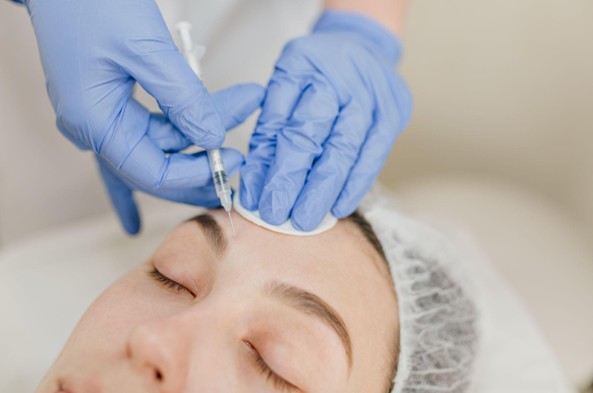
Patient safety is the foundation of every aesthetic treatment. Whether a practitioner is administering wrinkle relaxers, dermal fillers, or other injectable products, treatment outcomes depend not only on clinical skill but also on the authenticity and quality of the products being used.
As demand for cosmetic procedures continues to grow, so does the risk of counterfeit, expired, improperly stored, or illegally imported aesthetic injectables entering the marketplace. These products can compromise treatment results and expose patients to avoidable health risks.
This is why sourcing products through a licensed aesthetic injectables distributor is such an important part of responsible aesthetic practice. Authentic products, supported by proper storage, handling, and regulatory oversight, help practitioners maintain high standards of patient care while reducing unnecessary risks.
Product authenticity refers to the ability to verify that an injectable product is genuine, approved for distribution, and sourced through legitimate channels.
In aesthetic medicine, authenticity is more than a regulatory concern. It directly affects patient safety, treatment consistency, and provider confidence.
Authentic injectables are manufactured according to strict quality standards. They undergo extensive testing for safety, stability, sterility, and effectiveness before reaching healthcare providers.
When practitioners use verified products, they have greater confidence that:
These factors contribute to safer treatment experiences and more predictable outcomes.
The global aesthetic market continues to expand rapidly. As demand increases, regulators and healthcare organizations have raised concerns about counterfeit medical products entering supply chains worldwide.
Counterfeit injectables may imitate legitimate products through similar packaging, labels, or branding. However, the contents may differ significantly from what is advertised.
In some reported cases, counterfeit products have contained unknown substances, incorrect ingredient concentrations, or contaminants that could increase the risk of complications.
Not all risks stem from counterfeit products alone. Improper sourcing can create safety concerns even when products appear legitimate.
Health authorities in several countries have issued warnings regarding counterfeit botulinum toxin products discovered in medical settings. Investigations revealed products that appeared authentic but contained unverified contents and lacked proper regulatory approval.
These incidents highlight why healthcare professionals must verify product origins before administration.
Expired injectables present another concern.
Over time, product stability may decline, potentially affecting performance and consistency. While expiration does not automatically mean a product becomes dangerous, manufacturers establish expiration dates based on testing that confirms product quality and reliability.
Using products beyond their approved shelf life introduces unnecessary uncertainty into patient care.
Many aesthetic injectables require specific storage conditions.
Exposure to excessive heat, freezing temperatures, or improper handling during transportation may affect product integrity.
Potential consequences include:
This is why maintaining a secure and monitored supply chain is essential.
Purchasing products online has become increasingly common among healthcare providers. However, convenience should never replace proper verification.
Before purchasing injectables online, practitioners should verify:
When evaluating an online supplier, consider:
These questions help reduce sourcing risks and support responsible procurement practices.
The United States has one of the most regulated healthcare supply systems in the world.
Healthcare providers sourcing aesthetic injectables should understand the importance of working with distributors that operate within established regulatory frameworks.
FDA-approved products are subject to rigorous manufacturing and quality standards.
Distributors operating within legal distribution channels help maintain product integrity throughout the supply chain.
This oversight contributes to:
Many healthcare compliance professionals emphasize that clinical accountability begins long before treatment starts. Product sourcing decisions directly influence patient safety, making supply chain verification an important component of responsible medical practice.
In other words, safe treatment starts at the source.
| Factor | Licensed Distributor | Unverified Source |
| Product Traceability | Available | Often limited |
| Regulatory Compliance | Documented | Uncertain |
| Storage Standards | Monitored | May be unknown |
| Batch Verification | Typically available | Often unavailable |
| Recall Support | Supported | Limited |
| Patient Safety Assurance | Higher confidence | Increased uncertainty |
California represents one of the largest aesthetic medicine markets in the United States.
With a high concentration of medical spas, dermatology practices, and aesthetic clinics, sourcing practices play a particularly important role.
Healthcare providers in California operate within a highly regulated environment.
Using authentic products sourced through licensed distribution channels helps support:
Supply chain integrity refers to maintaining product quality from manufacturer to patient.
Key elements include:
Every step helps preserve product integrity and reduce avoidable risks.
Today's patients are increasingly informed about treatment safety.
Many patients ask questions about:
Healthcare providers who prioritize verified sourcing can answer these questions with greater transparency and confidence.
The term "best" should not be defined solely by price or convenience.
From a patient safety perspective, the best distributor is one that consistently supports quality assurance and compliance standards.
Healthcare providers should look for distributors that prioritize:
Products should be sourced through legitimate and authorized channels whenever applicable.
Compliance with applicable healthcare regulations helps reduce supply chain risks.
Temperature-sensitive products require controlled environments to maintain integrity.
Reliable distributors maintain records that support inventory tracking and product verification.
A well-managed supply chain helps reduce disruptions and supports treatment continuity.
Significantly discounted injectable products may seem attractive from a business perspective.
However, unusually low pricing can sometimes signal concerns regarding:
Patient safety should always take precedence over short-term cost savings.
Licensed distributors play an important role, but responsibility does not end there.
Healthcare professionals remain accountable for verifying products before administration.
Providers can support patient safety by:
These practices help create multiple layers of protection within the treatment process.
Patient safety is strengthened when clinics adopt a proactive approach to sourcing decisions.
A culture of safety involves:
Small steps in procurement can have significant impacts on patient outcomes.
Product authenticity is one of the most important yet often overlooked components of patient safety in aesthetic medicine. While clinical expertise remains essential, even the most skilled injector depends on the quality, integrity, and authenticity of the products being administered.
Counterfeit, expired, improperly stored, or improperly sourced injectables introduce risks that can affect treatment outcomes, patient trust, and regulatory compliance. By sourcing products through licensed distributors and maintaining rigorous verification practices, healthcare providers help protect patients while supporting consistent and responsible care.
As aesthetic medicine continues to evolve, one question remains worth considering: if patient safety begins before the first injection, shouldn't every sourcing decision be treated as a clinical decision as well?
Comments (0)