Your Complete Guide to Shipping Pharmaceuticals
1 hour ago 6

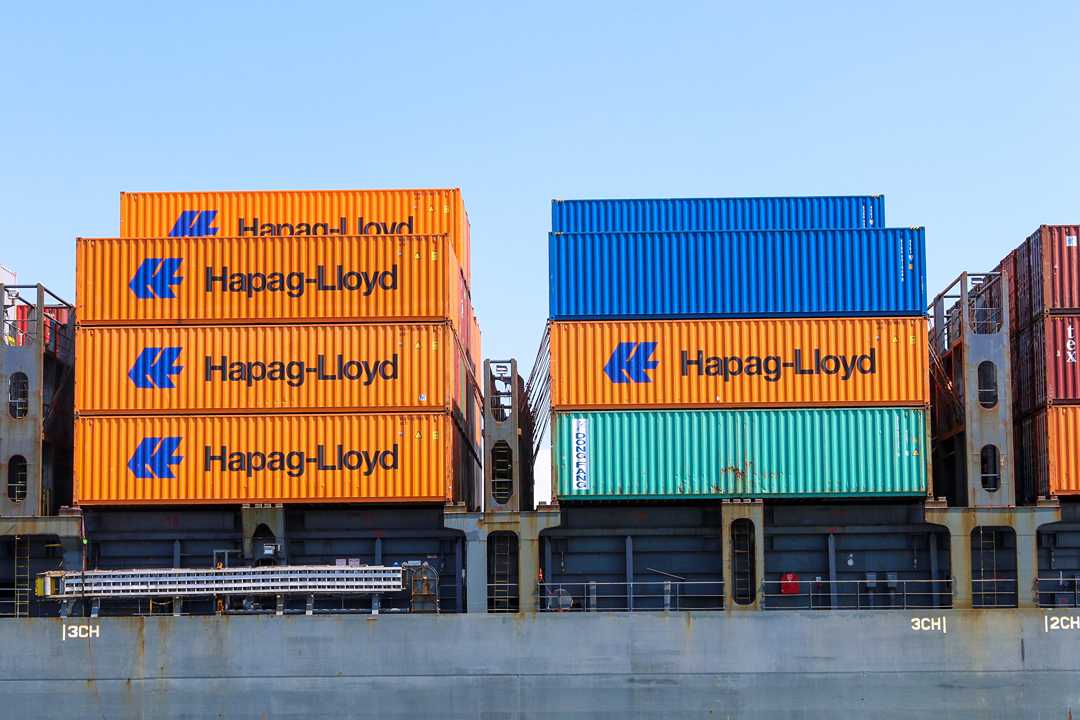
Transportation of pharmaceutical products demands precision and planning. The shipment of medication, vaccines, biologics, and medical devices must be monitored closely to ensure they arrive safely and in good condition.
An insignificant error could compromise the product quality and compliance. This can result in losses for the business and put patient safety at risk. Understanding the unique requirements of this shipment is therefore essential for manufacturers, distributors, and logistics providers alike. This guide outlines the basics of pharmaceutical shipping you need to know.
Pharmaceutical products are more sensitive to environmental conditions. Many medicines lose their effectiveness when exposed to excessive humidity, direct sunlight, or physical damage. They often require proper handling from manufacturing to the final destination.
The main objective is to ensure the integrity of the product during transportation. Proper planning ensures the shipment does not deteriorate, delay, or violate the regulations. Some products may require more secure protection during transit. Examples include:
In addition, companies must maintain complete traceability and documentation throughout the supply chain.
Choosing the right logistics partner can have a positive impact on shipping requirements. Experienced providers will be familiar with the unique demands relating to the transport of pharmaceuticals.
Most will also have highly specialized equipment, an experienced workforce, and high surveillance. Professional logistics partners can help reduce risk and make the shipment more reliable in both international and local routes.
Before making your decision, find out the potential provider's experience with working with businesses like yours. Inquire about their temperature control processes, monitoring capabilities, compliance, and preparedness for an emergency.
Every pharmaceutical shipment follows a structured process designed to protect product quality and ensure safe delivery. While specific procedures vary depending on the product, most shipments move through three essential stages.
Initial shipment and handling: Transportation involves correct preparation for shipment, gentle handling of pharmaceutical products, and, in some cases, contains requirements related to packing, labeling, and documentation.
Transportation and monitoring: After the shipment is on the route, whether to a local pharmacy or hospital, conditions should be monitored to prevent products from being exposed to unsuitable temperatures. Using the right monitoring systems will enable timely action if a shift occurs.
Delivery and verifications: Once the product has arrived at its destination, the receiving team must check the products received for signs of damage or tampering. They should also review temperature records. All shipping documentation should be retained for future audits and quality assurance.
Temperature management is one of the most critical aspects of pharmaceutical transportation. Many products need to remain within carefully defined temperature ranges throughout storage and transit. Even brief temperature excursions can reduce product effectiveness or render medication unusable.
Before shipping begins, companies should establish validated temperature-control procedures, explore cold chain packaging solutions, and select appropriate refrigerated transportation. Maintaining an uninterrupted cold chain throughout the supply chain helps preserve products. Real-time tracking plays a crucial role by giving flexibility to respond to unexpected events.
Depending on urgency, destination, and temperature requirements, different products will require varying transportation.
Ground transportation: Temperature-controlled trucks are commonly used for regional and domestic deliveries. They provide flexible routing and direct transportation while maintaining consistent environmental conditions.
Air freight: It is often used for international shipments and urgent medical deliveries. Although faster, air freight requires careful planning to minimize exposure during airport handling and customs clearance.
Ocean freight: Some pharmaceutical products can be transported by sea using refrigerated containers. While generally more economical for large shipments, longer transit times require extensive temperature validation and monitoring.
Packaging serves as the first line of defense against temperature fluctuations, moisture, and vibration. A well-designed packaging system prevents fluctuations and changes occurring during transit. It also enables adherence to the rules and regulations and can withstand the handling part of the transportation without damaging the products. When choosing packaging material, you should consider the following:
Proper selection of packaging materials and cushioning allows for maintaining the product's quality at all stages from production to consumers.
Pharmaceutical transportation is governed by strict national and international regulations designed to protect quality. Depending on the shipment, companies may need to comply with Good Distribution Practice (GDP), Good Manufacturing Practice (GMP), customs regulations, and country-specific import or export requirements.
If these regulations are not followed, delays, fines, and shipment rejection may occur. Keep tabs on current rules and regulations. During shipping, follow well-established operating procedures and documentation, handling, and storage procedures that are consistent with applicable requirements.
Maintaining records allows compliance and traceability of shipments. Common documents include:
Pharmaceutical products are proven to be an expensive consignment. There is a higher risk of theft, access, compromise, or possible change. Proper security check coils ensure the safety of the products.
Security planning should take place prior to any shipment leaving the warehouse. Assessment of risk can help determine weaknesses and aid in developing protection methods.
There are a number of things that can be done to enhance the security of a shipment and minimize the chance of it being at risk from cargo thieves. These include:
Implementing multiple layers of security significantly reduces the risk of theft, tampering, and product diversion while protecting both the shipment and the patients who rely on these medications.
Unanticipated interruptions in the process may happen while transporting pharmaceuticals. Weather, traffic, malfunctions, customs, and so on can all influence the timing of a delivery. Proactive planning helps minimize the impact of unexpected disruptions before shipments leave the warehouse. This can be ensured by having:
Contingency plans should be reviewed regularly to ensure effectiveness. Ongoing improvement enhances supply chain resilience and supports steady delivery performance.
Pharmaceutical shipping requires far more than transporting products from one location to another. Every stage of the journey must be carefully managed to preserve product, quality, comply with regulatory requirements, and protect patient safety. Organizations that are committed to validated packaging, reliable cold chain management, continuous shipment monitoring, experienced logistics partners, and comprehensive contingency planning will remain resilient while ensuring a successful process.
Comments (0)