Conservative Treatment Options for Cervical Radiculopathy: Where Home Cervical Traction Fits
6 hours ago 22

Pain that radiates from the neck into the shoulder, arm, or hand is a hallmark symptom of cervical radiculopathy, a condition caused by irritation or compression of one or more cervical nerve roots. While symptoms can range from mild discomfort to significant weakness or numbness, many patients improve without surgery. Current clinical guidelines support a conservative, individualized approach to treatment, with home cervical traction serving as one potential adjunct for carefully selected patients under the guidance of a qualified healthcare professional.
For healthcare providers, the goal is not simply to relieve pain but to restore function, improve quality of life, and help patients return to work and daily activities using the least invasive interventions appropriate for their condition.
The cervical spine contains seven vertebrae and eight pairs of cervical nerve roots that transmit signals between the brain and the upper extremities. When one of these nerve roots becomes compressed or inflamed, patients may experience cervical radiculopathy.
Common causes include:
Symptoms often include:
According to the American Academy of Orthopaedic Surgeons (AAOS), many patients with cervical radiculopathy recover successfully with nonsurgical treatment, making conservative care the preferred first-line approach for most uncomplicated cases.
Successful treatment rarely relies on a single intervention. Instead, clinicians often combine multiple therapies based on symptom severity, neurological findings, imaging results, functional limitations, and patient goals.
A conservative treatment plan may include:
The North American Spine Society (NASS emphasizes that treatment should be individualized, with surgery generally reserved for patients who do not improve with conservative management or who experience worsening neurological impairment.
For certain patients, home cervical traction may become part of a broader rehabilitation strategy after clinical evaluation and instruction by a healthcare provider.
Mechanical traction works by applying a controlled stretching force to the cervical spine. The intended goal is to temporarily reduce pressure on affected nerve roots and surrounding structures while complementing other rehabilitation interventions.
Home cervical traction should not replace physical therapy or medical evaluation. Instead, it may help patients continue providing direct treatment between office visits and support adherence to a prescribed rehabilitation program.
Patients who may be appropriate candidates often:
Evidence supporting cervical traction continues to evolve. Current research suggests that traction may provide additional benefit when combined with exercise and physical therapy rather than used in isolation.
A systematic review and meta-analysis published in Physical Therapy found that mechanical traction combined with physical therapy significantly improved pain and disability outcomes in some patients with cervical radiculopathy compared with exercise alone. While additional research is needed, the findings support traction as a potential adjunct for appropriately selected patients.
has also noted that although evidence varies in quality, conservative therapies remain appropriate for many patients before invasive treatment is considered.
Selecting a Home Cervical Traction System
Once a healthcare provider determines that home cervical traction is appropriate, selecting equipment that is comfortable, stable, and easy to use can help encourage treatment adherence.
Healthcare professionals may recommend devices that provide:
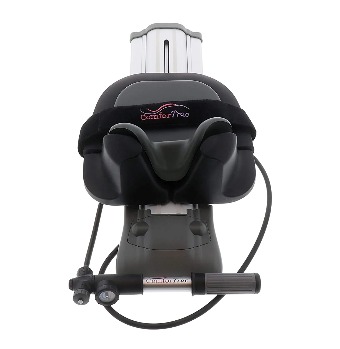
One option is ComfortTrac Deluxe Home Cervical Traction Kit 2.0, a home cervical traction system designed to deliver controlled traction for patients whose healthcare provider recommends this type of conservative therapy.
Appropriate patient selection remains essential. Cervical traction is not suitable for everyone and should never be initiated without professional evaluation.
Patients should discontinue treatment and contact their healthcare provider immediately if they develop:
The Cleveland Clinic advises that cervical traction should only be used under the supervision or recommendation of a qualified healthcare professional who can determine whether the treatment is appropriate for the patient's diagnosis.
The primary objective of cervical radiculopathy treatment is not simply reducing discomfort—it is restoring function, improving quality of life, and helping patients return to normal activities safely.
When incorporated into a comprehensive rehabilitation plan, home cervical traction may provide an effective way for appropriate patients to continue conservative treatment outside the clinic. Combined with therapeutic exercise, posture education, ergonomic improvements, and regular clinical follow-up, it can help support long-term recovery while minimizing the need for more invasive interventions.
As healthcare continues to prioritize evidence-based, patient-centered care, individualized conservative treatment plans remain the foundation of successful cervical radiculopathy management.
Comments (0)