Staying Safe During Beach and River Exploration: Health Risks Every Outdoor Hobbyist Should Know
2 months ago 232

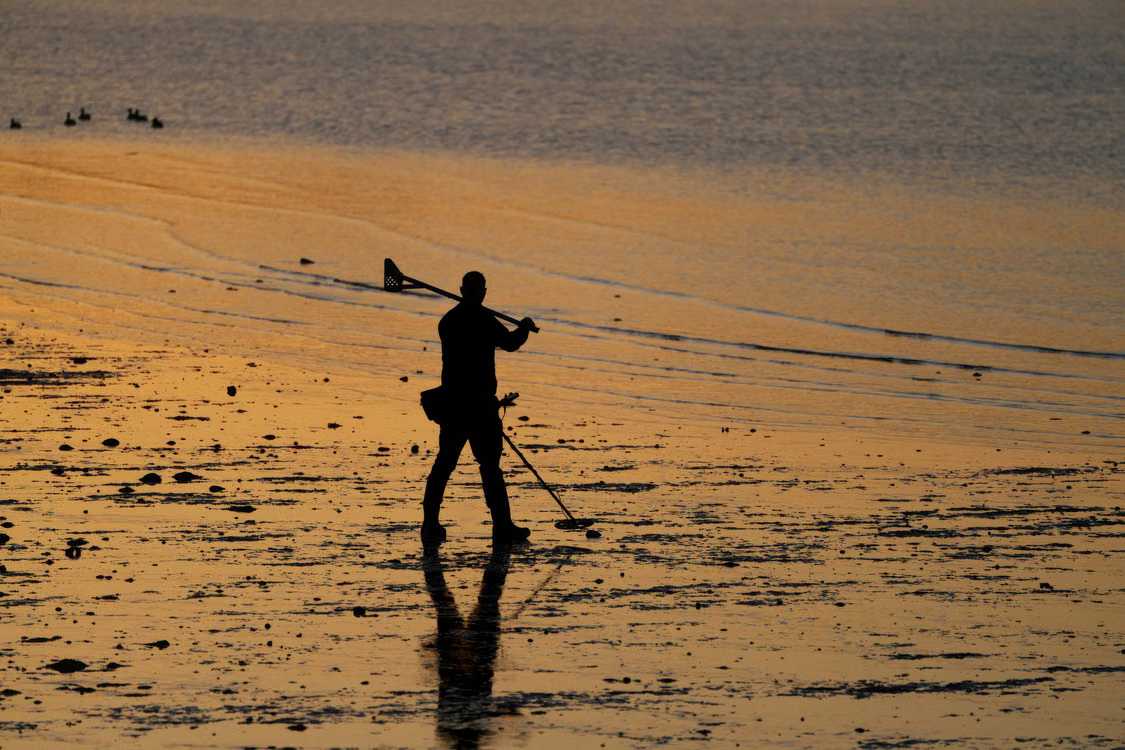
Hobbies that are centered around beaches and rivers may feel low risk. Walking along wet sand, casting a fishing line, swimming in a quiet stretch of water, or scanning for lost jewelry with a metal detector could easily not seem dangerous when you’re in the moment.
However, the reality is that natural waterways carry a mix of environmental risks that many outdoor enthusiasts overlook. Understanding those risks does not mean avoiding the water. It means knowing what can go wrong and taking simple steps to prevent it.
Anglers casting into the river while standing in the water, swimmers cooling off in the sea, and metal detecting enthusiasts wading through troughs may all move through areas shaped by shifting currents. And shifting currents can potentially be very dangerous.
Indeed, the National Oceanic and Atmospheric Administration explains that rip currents in oceans and the Great Lakes can move faster than an Olympic swimmer, making them dangerous even for confident adults.
Wading farther out to retrieve gear or investigate something in the water can place you directly in a current that pulls away from shore. Trying to force your way straight back can quickly lead to exhaustion.
So, before entering the water, keep these precautions in mind:
Watching water movement as closely as you watch your line, paddle, or metal detector screen makes a difference. Planning your entry and exit points before stepping into the surf adds another layer of protection.
Also, notice where waves break unevenly, where water appears darker, and where foam moves steadily offshore. Reading the shoreline for a few minutes before wading in can reveal patterns that are easy to miss once you are focused on your activity.
Many outdoor hobbies involve hours of contact with water and sand. The Centers for Disease Control and Prevention notes that oceans, lakes, and rivers can contain germs that cause illness if swallowed.
Heavy rain can wash bacteria into inlets and shoreline dips where people fish, wade, and search for finds. Swallowing contaminated water or eating without cleaning your hands can lead to stomach illness that disrupts your plans.
Checking advisories before heading out adds a layer of protection. The Environmental Protection Agency provides beach monitoring data and closure information so you can avoid areas with elevated bacteria levels.
Existing cuts and scrapes increase vulnerability. Cover wounds securely and postpone water activities if healing is still in progress.
Also, extended outings can lead to poor hydration decisions. While most hobbyists bring drinking water, avoid the temptation to sip from a river or stream, even if it looks clear.
Untreated freshwater can contain harmful microorganisms that are invisible to the eye but capable of causing significant gastrointestinal illness.
Hobbyists like anglers, kayakers, and detectorists often walk across wet sand, gravel bars, and shallow riverbeds where heavy objects settle. Those same areas can hide items like broken glass, rusted hooks, and sharp shells. It is easy to become injured if you’re not careful.
Also, even small cuts are vulnerable to infection when bacteria levels in the water are elevated.
Wearing sturdy waterproof shoes and gloves is a sensible precaution. It reduces the chance of harming your foot or slicing your hand while wading or retrieving items.
If your hobby involves metal detecting in deeper water, you need to be even more careful. Poor visibility can make it difficult to identify what lies beneath the surface, increasing the risk of blindly probing into broken glass, rusted hooks, or other sharp debris.
Investing in waterproof metal detectors designed for beaches, rivers, lakes, and underwater environments helps you pinpoint targets more accurately before digging, providing reliable performance in wet and mineralized conditions while reducing unnecessary digging and improving overall safety.
Once a target is accurately located, careful recovery further lowers the risk of injury from hidden objects.
Hobbies like fishing, surfing, beachcombing, and metal detecting all share the same environmental exposure. Thankfully, rip currents, bacteria during high contamination events, untreated freshwater, and sharp debris are manageable risks when approached with awareness.
Hopefully this article has been helpful. If it has been, take a moment to explore our other insightful content!
Comments (0)