What Makes a Great Dental Curing Light?
2 months ago 203

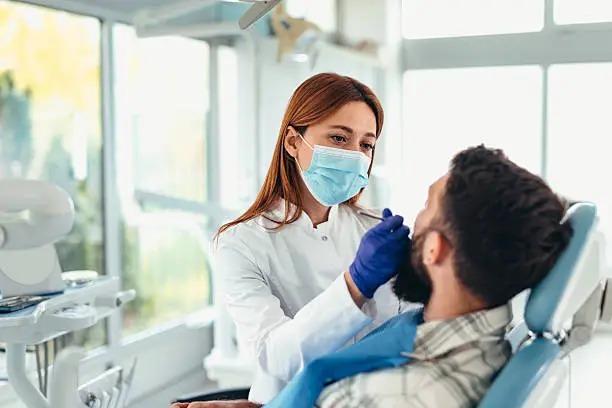
A dental curing light is one of the most important tools in modern restorative dentistry. It plays a key role in hardening light-cured materials such as composite fillings, sealants, adhesives, and resin cements. While every curing light serves the same basic purpose, not all devices deliver the same level of performance. The quality of a curing light can directly influence the durability, appearance, and longevity of dental restorations.
With so many options available, understanding what separates an average curing light from an excellent one can help dental professionals make more informed purchasing decisions.
The primary purpose of a curing light is to provide enough energy to fully polymerize restorative materials. A high-quality device delivers consistent light intensity throughout every curing cycle, ensuring materials harden as intended.
Inconsistent output can leave restorations under-cured, potentially affecting their strength, wear resistance, and bond to the tooth. Reliable performance from the first procedure of the day to the last helps clinicians maintain confidence in every restoration they place.
Different dental materials contain different photoinitiators that respond to specific wavelengths of light. A great curing light provides the wavelength range needed to activate the materials commonly used within the practice.
Many modern LED curing lights are designed to work with a wide variety of composites, making them suitable for general dentistry as well as more specialized restorative procedures. Choosing a device with broad compatibility helps ensure predictable results across different materials.
Dentists and dental nurses use curing lights repeatedly throughout the working day. A bulky or poorly balanced device can contribute to hand fatigue, particularly during lengthy restorative procedures.
Lightweight construction, comfortable grip design, and intuitive controls all improve usability. A cordless design also provides greater freedom of movement around the patient's mouth while reducing clutter within the clinical workspace.
An ergonomic curing light not only benefits the clinician but can also make appointments feel smoother and more comfortable for patients.
Battery life is often overlooked until it becomes a problem. A curing light that requires frequent charging or loses power quickly can interrupt appointments and reduce productivity.
High-quality models typically feature long-lasting rechargeable batteries capable of supporting numerous curing cycles before needing to return to the charging station. Quick charging capabilities are also valuable in busy practices where equipment is used continuously throughout the day.
Modern curing lights often include several operating modes designed for different clinical situations. Standard curing is ideal for routine restorative work, while ramp or soft-start modes gradually increase light intensity to help minimize polymerization stress in certain materials.
Some devices also include high-power modes for faster curing when appropriate. Having multiple options gives clinicians greater flexibility while allowing them to follow manufacturers' recommendations for different restorative materials.
Dental equipment must withstand rigorous cleaning and infection control protocols. A great curing light is designed with smooth surfaces that are easy to disinfect between patients and durable materials that tolerate frequent use.
Removable or autoclavable light guides can simplify sterilization procedures while helping practices maintain high hygiene standards without compromising equipment longevity.
Price alone should never determine which curing light to purchase. While lower-cost models may seem attractive initially, reliability and long-term performance often provide greater overall value.
Durable construction, dependable electronics, and consistent light output can reduce maintenance costs and minimize unexpected downtime. Investing in quality equipment often results in improved efficiency and lower replacement costs over time.
Practices comparing available models may find resources such as Top 10 Dental Curing Lights useful when evaluating features and comparing different options.
Powerful blue light requires appropriate safety measures. Quality curing lights often include built-in timers, accurate exposure settings, and protective shields that help reduce unnecessary light exposure for both clinicians and patients.
Clear digital displays and audible indicators also improve ease of use by helping practitioners monitor curing times accurately without interrupting the procedure.
A great dental curing light combines reliable performance with practical usability. Consistent light output, appropriate wavelength compatibility, ergonomic design, strong battery life, multiple curing modes, straightforward maintenance, and dependable durability all contribute to successful restorative outcomes.
Selecting the right curing light is an investment in both clinical efficiency and patient care. By focusing on quality, reliability, and everyday usability rather than simply choosing the lowest-priced option, dental practices can equip themselves with technology that supports accurate, predictable, and long-lasting restorations.
Comments (0)