What Is Non-Invasive Vagus Nerve Stimulation? Medical Use vs Everyday Wellness Support
3 hours ago 14

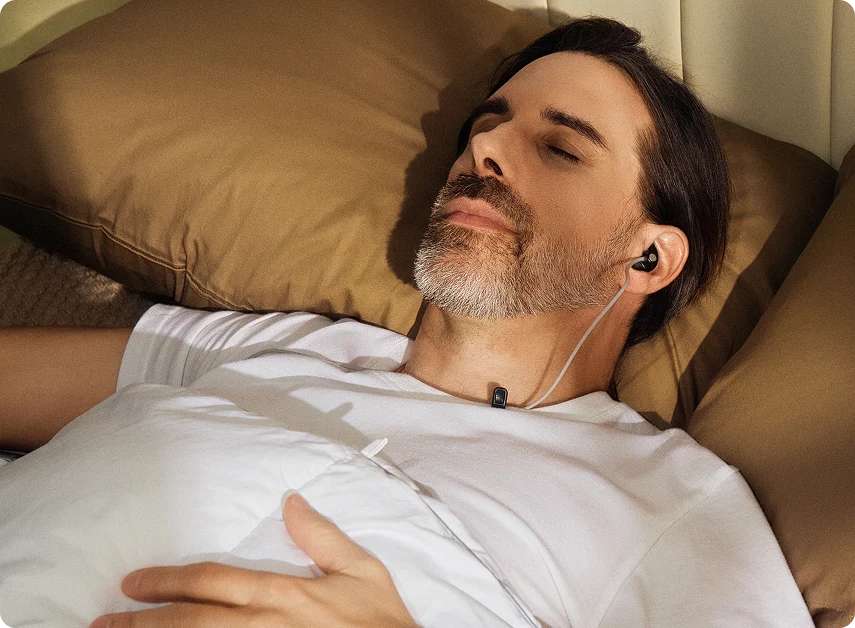
Non-invasive vagus nerve stimulation is becoming one of the most searched topics in nervous system health, wearable wellness, and neuromodulation. People are hearing about the vagus nerve in conversations about stress, sleep, digestion, recovery, mood, and even long-term wellness routines.
But there is also confusion.
Some vagus nerve stimulation devices are medical therapies used under clinical supervision. Others are non-invasive wellness tools designed to support relaxation, recovery, or daily nervous system balance. These categories are related, but they are not the same.
Understanding the difference matters. If you are researching non-invasive vagus nerve stimulation, you need to know what the vagus nerve does, how stimulation works, what implanted VNS is used for, how ear-based stimulation differs, and what everyday wellness devices can and cannot claim.
This guide explains non-invasive vagus nerve stimulation in plain language, with a clear distinction between medical use and everyday wellness support.
The vagus nerve is one of the major communication pathways between the brain and the body. It is the tenth cranial nerve and travels from the brainstem through the neck and into the chest and abdomen.
It is involved in many automatic body functions, including heart rate, breathing, digestion, swallowing, and internal regulation. Cleveland Clinic describes the vagus nerve as part of the autonomic nervous system, which helps control involuntary functions such as heart rate, breathing, and digestion.
In simple terms, the vagus nerve helps the brain and body communicate. It is often discussed in relation to the parasympathetic nervous system, sometimes called the “rest and digest” side of the nervous system.
This does not mean the vagus nerve is a magic switch for calm. But it does help explain why researchers, clinicians, and wellness brands are interested in vagus nerve stimulation.
Vagus nerve stimulation, often shortened to VNS, is a form of neuromodulation. It uses electrical pulses to influence vagal pathways and related brain-body communication.
The most established form is implanted vagus nerve stimulation. Cleveland Clinic explains that medical VNS uses an implantable device to send mild electrical pulses to the vagus nerve in the neck, with signals traveling toward the brain. It is FDA-approved for difficult-to-control epilepsy, depression, and as a rehabilitation aid after stroke.
Mayo Clinic also describes implanted VNS as a device placed under the skin of the chest that stimulates the vagus nerve in the neck and sends signals to the brain, commonly discussed in the context of seizure treatment.
That medical use is important, but it is only one part of the broader VNS landscape. Today, people also search for non-invasive vagus nerve stimulation, ear vagus nerve stimulation, taVNS, and wearable vagus nerve stimulation devices.
Non-invasive vagus nerve stimulation means the device does not require surgery or implantation. Instead of placing a device inside the body, non-invasive approaches apply stimulation through the skin.
This category is often called transcutaneous vagus nerve stimulation, or tVNS. “Transcutaneous” simply means “through the skin.”
There are two common forms:
| Type | Stimulation Area | Common Description |
| Cervical tVNS | Neck area | Stimulation near the cervical branch of the vagus nerve |
| Auricular tVNS / taVNS | Outer ear | Stimulation near ear regions associated with the auricular branch of the vagus nerve |
A review of transcutaneous auricular vagus nerve stimulation explains that taVNS is a non-surgical method used to modulate the vagus system, often applied through the outer ear.
For everyday users, this is why ear-based devices have become popular. A non-invasive approach feels more accessible than implanted VNS because it does not involve surgery, anesthesia, or an implanted pulse generator.
However, non-invasive does not automatically mean medical-grade, risk-free, or proven for every claim. The device type, stimulation location, intended use, and regulatory status still matter.
The outer ear is often used because parts of it are connected with the auricular branch of the vagus nerve. This makes the ear a practical target for non-invasive stimulation research and wellness applications.
A systematic review on auricular vagus neuromodulation notes that the auricular branch of the vagus nerve runs superficially, making it a favorable target for non-invasive stimulation techniques.
Commonly discussed ear areas include the cymba conchae and cavum conchae. These areas are often referenced in taVNS research because of their anatomical relationship to vagal innervation.
This is one reason some people prefer an ear-based non-invasive vagus nerve stimulation device for daily wellness routines. It allows users to explore ear-based nervous system support without an implanted device.
Still, ear-based wellness support should not be described as the same thing as implanted medical VNS. They are different categories with different uses.
The biggest difference is how the stimulation is delivered.
Implanted VNS requires surgery. A device is placed under the skin, usually in the chest area, and connected to the vagus nerve in the neck. It is programmed and monitored by healthcare professionals.
Non-invasive VNS does not require surgery. It uses external stimulation through the skin, often at the neck or ear.
Here is a simple comparison:
| Feature | Implanted Medical VNS | Non-Invasive VNS / taVNS |
| Placement | Inside the body | Outside the body |
| Procedure | Requires surgery | No surgery |
| Common area | Neck vagus nerve with chest implant | Ear or neck surface |
| Supervision | Medical professional required | Depends on device and intended use |
| Typical use | Specific medical conditions | Research, clinical use, or wellness support depending on device |
| Claims | Medical claims only when approved | Should be limited to intended use and evidence |
| User expectation | Clinical treatment | Supportive tool or research-based neuromodulation |
The key point is this: all implanted VNS is medical, but not all non-invasive VNS is medical. Some non-invasive devices may be used in clinical contexts, while others are designed for wellness routines.
Medical vagus nerve stimulation is not a casual wellness practice. It is used for specific indications and under professional guidance.
Implanted VNS has been used for conditions such as difficult-to-control epilepsy and treatment-resistant depression. Cleveland Clinic also notes its FDA approval as a rehabilitation aid after stroke.
A 2024 review of recent VNS advances describes VNS as having approval or clearance in areas including medication-refractory epilepsy, treatment-resistant depression, obesity, migraine, cluster headache, and stroke rehabilitation, depending on device and indication.
This does not mean every vagus nerve stimulation product can claim to treat those conditions. Medical claims depend on the device, evidence, regulatory clearance, intended use, and clinical setting.
For users, this distinction is essential. A consumer wellness device should not be treated as a replacement for prescribed medical therapy.
Everyday wellness support is different from medical treatment.
In a wellness context, non-invasive vagus nerve stimulation may be discussed as part of a broader routine for relaxation, stress awareness, sleep preparation, meditation, or recovery support. The language should stay realistic.
Better wellness wording includes:
Risky or inappropriate wording includes:
The difference is not just wording. It is a compliance and trust issue. Users deserve clear explanations that do not exaggerate what a wellness device can do.
Safety depends on the device, stimulation parameters, user health status, and how the product is used.
Research on transcutaneous auricular vagus nerve stimulation is generally encouraging, but careful language is still needed. A 2022 systematic review and meta-analysis on taVNS safety reported no causal relationship between taVNS and severe adverse events and concluded that taVNS appeared safe and feasible as a clinical intervention.
Nature’s Scientific Reports version of the same review notes that taVNS is generally considered safe with mild and transient adverse effects, while also emphasizing the need to better understand adverse events specifically caused by taVNS.
For everyday users, this means non-invasive stimulation may be well tolerated for many people, but it is not automatically appropriate for everyone.
People should speak with a healthcare professional before use if they have:
Users should also stop using a device if stimulation causes pain, dizziness, unusual symptoms, or significant discomfort.
The sensation can vary. Some users may feel tingling, pulsing, vibration, warmth, or a mild electrical sensation. Others may feel very little if the contact is poor, the intensity is too low, or the placement is not correct.
A comfortable experience should not feel painful. Higher intensity is not always better. For wellness use, the goal is usually gentle and consistent stimulation, not maximum sensation.
Factors that can affect the feeling include:
For ear-based devices, correct placement and good conductivity are especially important.
There is no universal routine that applies to every device or every person. Medical protocols depend on clinical indication and provider guidance. Wellness routines depend on the device design, product instructions, and user goals.
For everyday wellness support, many brands focus on short, consistent sessions. The idea is to build a routine around sleep, stress recovery, meditation, or relaxation.
If someone is new to stimulation, it is usually better to start gently. A practical approach is:
Readers who want a broader overview of the category can learn more about non-invasive vagus nerve stimulation and how different approaches should be understood.
People may explore non-invasive vagus nerve stimulation for many wellness reasons, including:
These are wellness interests, not medical diagnoses. If a person has serious symptoms, chronic sleep problems, severe anxiety, depression, neurological symptoms, or ongoing pain, they should seek professional care instead of relying on a consumer device.
When comparing devices, users should look beyond marketing claims. A strong product page should explain what the device is, where it is used, how long sessions last, who should avoid it, and what users can realistically expect.
Important questions include:
Implanted devices belong in medical settings. Non-invasive devices may be clinical, wellness, or research-oriented depending on design and claims.
Ear-based devices are often described as taVNS or auricular vagus nerve stimulation. Neck-based devices target the cervical region.
Be cautious with brands that promise cures, guaranteed results, or medical benefits without clear support.
Responsible brands should clearly state who should not use the device or who should consult a doctor first.
A wellness device is only useful if people can use it consistently and comfortably.
It is not. Implanted VNS is a medical therapy with surgical placement and clinical supervision. Non-invasive VNS uses external stimulation and may have different purposes.
Not necessarily. Some are medical devices. Some are wellness devices. Some are research tools. Users should check the intended use and claims.
Not always. Stronger stimulation may simply cause discomfort. Gentle, correct, and consistent use is often more important in a wellness routine.
It should not. For everyday wellness, stimulation works best as part of a larger routine that may include sleep habits, breathing, movement, hydration, and stress reduction.
Non-invasive means no surgery. It does not mean the device is appropriate for everyone.
The simplest way to separate medical VNS from wellness support is to ask: what is the purpose?
If the goal is to treat a diagnosed medical condition, it belongs in a clinical conversation.
If the goal is to support relaxation, build a wind-down routine, or explore nervous system wellness, then it should be framed as supportive, non-medical wellness care.
This distinction protects both users and brands. It helps users make informed decisions and prevents wellness products from being confused with prescribed medical therapies.
Non-invasive vagus nerve stimulation is a growing field that sits between neuroscience, wearable technology, clinical research, and everyday wellness.
The concept is simple: instead of surgically implanting a device, non-invasive approaches deliver stimulation through the skin, often at the ear or neck. Ear-based methods such as taVNS are especially popular because parts of the outer ear are connected with the auricular branch of the vagus nerve.
But clarity matters. Implanted VNS is a medical therapy used for specific conditions under professional supervision. Non-invasive VNS may be used in research, clinical, or wellness contexts depending on the device. Everyday wellness devices should be understood as supportive tools, not cures or substitutes for medical care.
For users, the best approach is careful and realistic: understand the device type, follow instructions, start gently, check safety guidance, and use wellness tools as part of a broader routine for sleep, stress, relaxation, and recovery. Auricular vagus nerve stimulation device
Comments (0)