What Goes Wrong When You Treat a Fungal Skin Infection at Home
7 hours ago 26

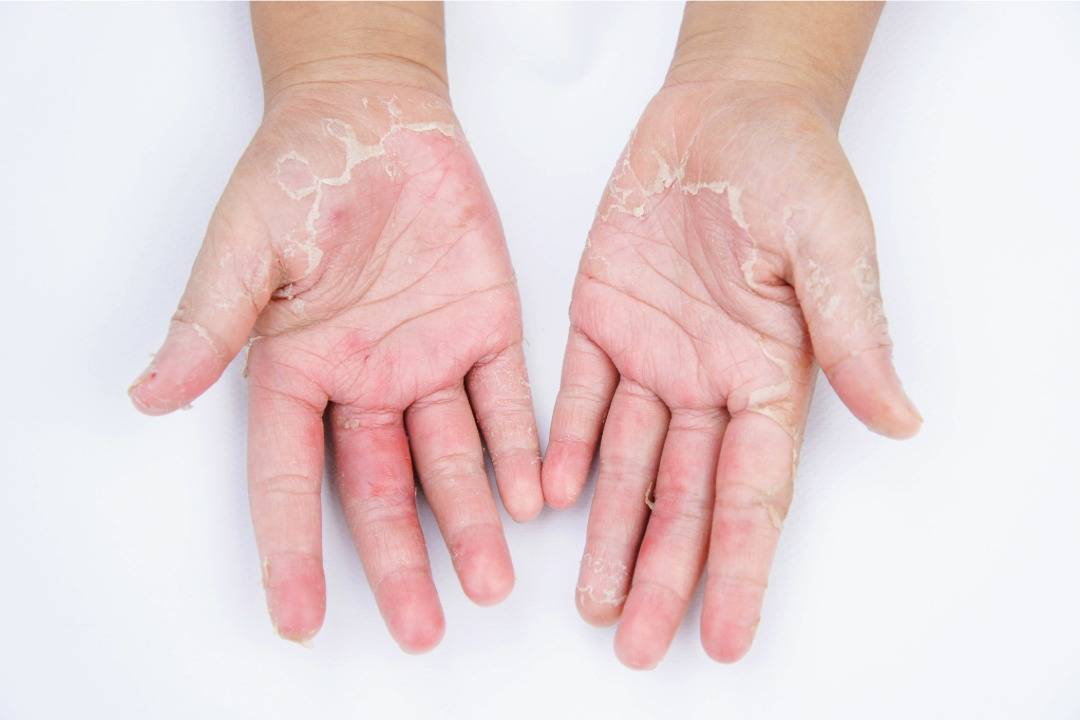
Fungal skin infections are easier to get wrong than most people expect. A pool in Brighton. A shared changing room after sport in Worthing. The infection arrives quietly and the treatment mistakes follow fast.
Antifungal creams available over the counter work well for most common fungal infections. The problems start when the wrong product gets chosen, applied incorrectly, or abandoned too early.
Red and itchy does not always mean fungal. Eczema, psoriasis, and contact dermatitis present similarly and need completely different treatment. Reaching for an antifungal cream when the problem is inflammatory or bacterial achieves nothing except delay.
Fungal infections have a recognisable shape. Ringworm tends to spread outward in a rough circle, with raised edges and dry scaling at the border. Athlete's foot shows up between the toes as persistent peeling and itch. Useful patterns to know, but not reliable enough to diagnose without a second opinion.
Sussex's coastal environment creates conditions where skin problems are more common. Wet footwear after a cliff walk, humid changing rooms after beach swimming, sports kit carried damp in a bag. These are not dramatic exposures, but they repeat. A rash that follows these patterns is worth checking properly rather than treating on a guess.
A pharmacist seeing the symptoms directly gives a better answer than any online description. Many community pharmacies in Sussex can offer quick consultations, though it is worth calling ahead as availability varies.
Self-diagnosed fungal infections can turn out to be other conditions. Ask first.
Application decisions matter as much as product selection.
Daktacort cream has two active components working differently. Miconazole handles the fungal side. Hydrocortisone reduces the inflammation and itch running alongside it. That pairing is useful in the right context. Face, broken skin, and sensitive areas need a pharmacist or GP's input before any application. Long-term use in the wrong location can thin the skin.
Before using Daktacort cream, readers can check Daktacort application notes, ingredients and suitability details from The Independent Pharmacy before deciding whether to speak to a pharmacist or GP.
Treatment duration for antifungal products varies by condition and formulation. For combination products containing a corticosteroid, the product leaflet and a pharmacist's guidance set the appropriate course length.
Topical cream feels like a minor product. The interaction risk is not minor for everyone.
Miconazole and warfarin do not always sit well together. With topical use, clinically relevant interactions are rare, but official product information still advises caution for people taking warfarin or other vitamin K antagonists. Anyone in that group should check before picking up anything containing miconazole. Not a dramatic risk for most people. Worth knowing for the ones it does affect.
Someone already managing a long-term condition should check before reaching for any new topical product. A quick word with a pharmacist can catch possible problems before treatment starts.
Worth doing before deciding where to buy Daktacort or anything similar. An interaction identified beforehand can prevent avoidable problems later.
Clearance and improvement feel the same. They are not.
Skin settles, the itch fades, and the instinct is to stop. Fungal spores sit below the surface long after the visible signs go. Give them the right conditions and they restart. Which is exactly what stopping treatment early provides.
Plain antifungal treatments often need to continue as directed even after symptoms start improving. Athlete's foot can take several weeks to settle because the infection may persist between the toes even when the surface looks calmer. Combination products that contain a corticosteroid need more caution. With Daktacort cream, the leaflet and pharmacist’s advice should set the course length.
A reminder set on a phone for the end of the treatment course removes the guesswork. No improvement within the advised treatment period means speaking to a pharmacist, not switching products independently.
Bacterial infection and fungal infection get confused more than they should. Fever, spreading redness or pus points somewhere different entirely. That needs a different product and probably a GP visit rather than another round of antifungal cream. Pregnant women, children and anyone with reduced immunity should check first with a pharmacist or GP before any self-treatment. Not as an optional extra, but as the safer starting point.
Some situations need professional input before any treatment begins.
Children with a suspected fungal rash need proper assessment rather than an adult product applied in a smaller amount. Pregnant women should verify suitability before using any topical treatment. Anyone with broken or infected-looking skin should not apply antifungal cream without first confirming there is no secondary infection present.
Recurring infections tell a different story. Athlete’s foot coming back despite treatment, ringworm moving through a household. That pattern usually means the source is not being addressed. Shared towels, gym footwear, damp kit in a school bag in Hove or Worthing. A cream clears what is there. The reinfection route stays open unless someone identifies it.
People managing diabetes, a long-term skin condition, or reduced immunity should check before using any new topical product. Skin gets exposed in small, ordinary ways too. Coastal sport. Garden work. Damp socks after a walk. Humid Sussex weather. It all adds up, especially when someone is trying to decide whether to treat the rash at home.
Wrong diagnosis. Wrong product. Right product, wrong place. Stopping when the itch fades. Most repeat problems begin somewhere in that list.
Sussex readers do not need to guess their way through every rash. A short pharmacy conversation can check whether it looks fungal, whether the product fits, and whether a GP is the better route.
The first attempt matters. Get it right early and there is less chance of starting again later, after the rash has spread, returned, or reacted badly to something that never quite fitted the problem.
Comments (0)