Dance as a Mental Health Tool | Taite Heller on Movement & Well-Being
24 days ago 183

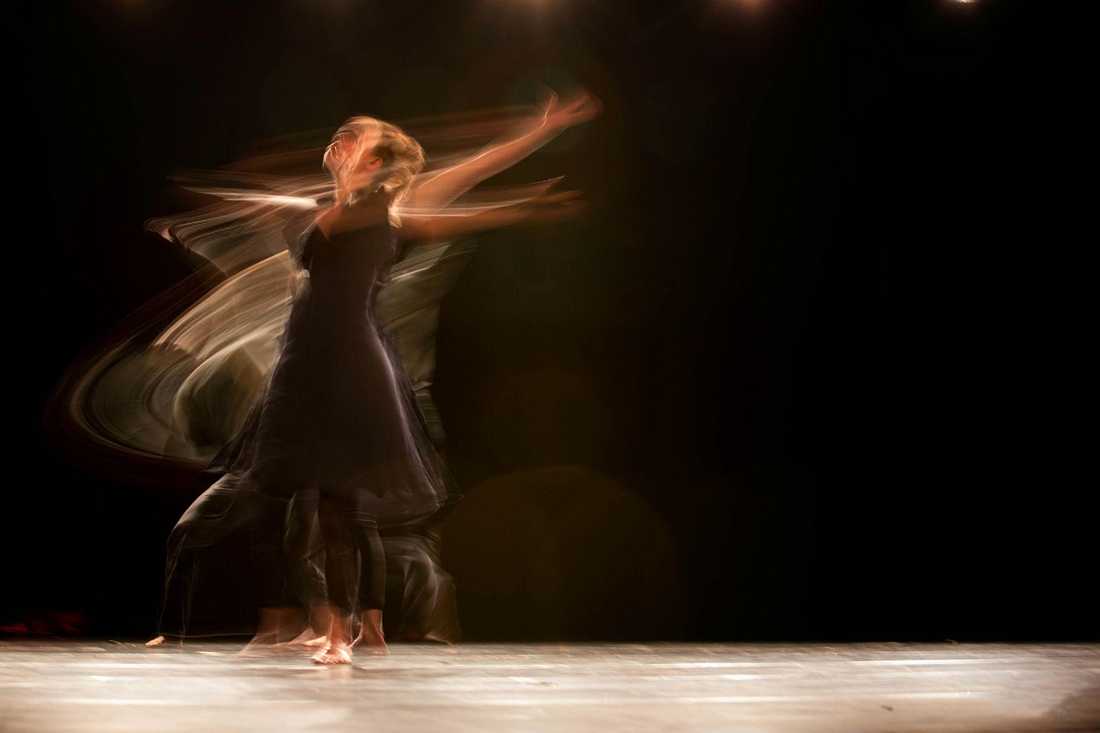
Most people know the feeling without ever naming it. A favorite song comes on, the body starts to move, and within a minute or two, something heavy lifts. That small, almost involuntary shift is the starting point for Taite Heller, who has spent time revisting the same question from different angles: what exactly is happening when movement makes us feel better, and why do so many of us treat it as a luxury rather than a legitimate form of mental health support?
The short answer is that dance is not just a mood booster in the casual sense. It is a full-body activity that affects brain chemistry, neural wiring, and our sense of connection and belonging. Researchers studying emotional well-being keep landing in the same place dancers have understood intuitively for centuries. When we move, the nervous system rhythmically responds in measurable ways. And once you understand that, dance stops feeling like a distraction and starts to look more like a practical tool for emotional regulation and stress management.
When you dance, your brain releases a mix of chemicals linked to pleasure, calm, and connection. Aerobic movement triggers endorphins, the body’s “feel-good” hormone, which is part of why a few songs of uninhibited movement can leave you feeling lighter than you did before. Dopamine, tied to reward and motivation, rises as you anticipate and land on the beat. Serotonin, closely linked to mood regulation, also tends to rise with sustained physical activity.
Just as important is what dance does to cortisol, the body’s main stress hormone. When it stays high for too long, everything starts to feel harder than it should — sleep, focus, even basic patience. Rhythmic movement has been shown to help bring those levels back toward a healthier baseline. In practical terms, that means someone who feels wired or tense can use movement to discharge some of that load rather than carry it around all day. And none of it depends on skill. The chemistry responds to the movement itself, not how it looks.
Dance asks the brain to do several demanding things at once. It is a delicate balance of rhythm, balance, coordination, and planning. All while listening closely to music and reacting to other people around you.
Studies on older adults have consistently found that dance is associated with better cognitive outcomes than many other forms of exercise, in part because of that layered demand. Learning and repeating choreography engages memory and pattern recognition, while movement itself supports neuroplasticity — the brain’s ability to form and reorganize connections. A brain that stays in that mode tends to be more flexible over time, and that flexibility supports mental well-being. This is one of the threads running through Taite Heller’s broader work on movement as everyday self-care, where the idea is simple: you don’t have to be a dancer for your brain to benefit from movement itself.
Dance rarely happens in silence, and the music isn’t just decoration. Rhythm has a measurable effect on the body. We naturally synchronize movement, heart rate, and even breathing to a steady beat. That entrainment can calm the system at slower tempos or wake it up when the tempo increases, which gives people more influence over their internal state than they usually realize.
Music also carries memory and emotion in a way language often doesn’t. A song can unlock something quickly, sometimes before you’ve had time to think about it. Moving to that music can bring those feelings forward in a way that feels more physical than verbal. For people who don’t easily talk about what they’re going through, that can be especially significant.
A large portion of dance happens with other people, and that’s not incidental — it’s part of the effect. Moving in sync with others, whether in a class, a crowded room, or even just a loose circle, tends to build a sense of connection pretty quickly. Research has linked synchronized movement with increased trust, cooperation, and closeness.
For people dealing with loneliness or isolation, which are themselves major risk factors for mental health struggles, that matters. A regular dance setting offers a connection that doesn’t require small talk or performance. You show up for the movement, but you stay for the people. Both parts do something important.
Taite Heller often returns to this idea in her writing on the mind-body connection, where the social layer of dance isn’t treated as an add-on, but as part of the core mechanism itself.
It’s important to be clear about limits. Dance is not a replacement for therapy, medication, or professional support when those are needed.
It can be a meaningful complement. The field of dance/movement therapy formalizes this idea, using structured movement in therapeutic settings to help people process emotion, reduce anxiety and depression symptoms, and reconnect with the body after trauma. Trained therapists guide the work, and results have been strong enough that the practice continues to expand.
Outside clinical settings, dance functions as the kind of support mental health professionals often recommend: regular, enjoyable, physical, and social. No referral, no equipment, no setup beyond space and music. That ease of access is part of why it actually sticks for people.
The biggest barrier usually isn’t ability — it’s self-consciousness. The idea that you have to be “good” at dancing to benefit from it keeps a lot of people from starting at all. But the body doesn’t care about that part. It responds either way.
Three songs in your kitchen with the door closed can shift your stress level more than you’d expect. A beginner class where everyone feels a little unsure can offer both cognitive and social benefits without any pressure to perform.
One simple way to start is to attach movement to something you already do. Cooking dinner. A break between tasks. One song before bed. Nothing structured, nothing formal. Consistency matters more than intensity, or even how it looks. Over time, those small moments add up in a way you can actually feel.
If dance has played a role in your own emotional life, there is value in acknowledging that. Readers are invited to share the role movement has played in their own mental health, because firsthand stories tend to reach people in ways statistics never will. The science explains the mechanism, but a real account of someone who danced their way through a hard season is often what finally convinces a person to try it.
Dance sits in a strange but useful intersection. It’s exercise, art, emotional release, and a remedy wrapped in one. Each layer does something slightly different — chemistry regulates stress, learning supports the brain, rhythm helps with emotional regulation, and social connection reduces isolation.
Taken together, it makes a strong case for treating movement as part of mental health care, not something separate from it.
Movement is for everyone. You don’t need talent, training, or even a plan. Just a bit of willingness to move, even if it feels slightly awkward at first.
Most people already quietly know this. The research just keeps confirming what the body figured out a long time ago: moving can bring you back to yourself.
Comments (0)