BPC-157 Peptide: Current Research on Tissue Repair, Recovery, and Performance Benefits
22 days ago 197

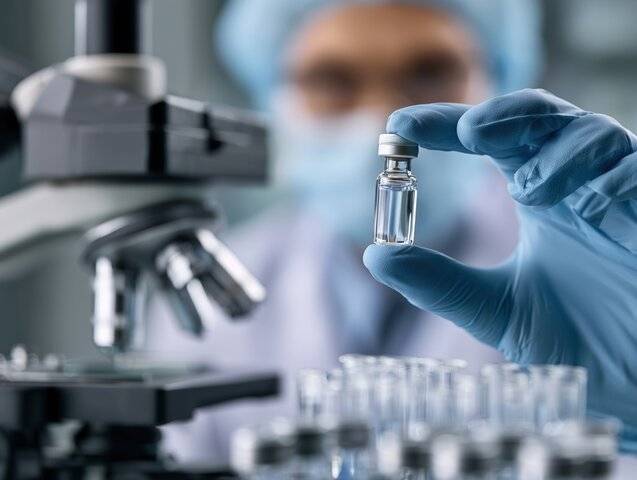
The field of peptide research has expanded rapidly over the past decade, with BPC-157 emerging as one of the most discussed compounds among scientists investigating tissue repair and regenerative biology. While interest continues to grow, it's important to distinguish established scientific findings from ongoing research.
BPC-157 (Body Protection Compound-157) is a synthetic peptide consisting of 15 amino acids. It was originally derived from a protective protein found in human gastric juice and has been widely studied in laboratory and animal models for its potential role in supporting tissue healing, vascular function, and inflammatory responses. Although early findings are promising, human clinical evidence remains limited, and BPC-157 is not approved as a therapeutic drug by major regulatory authorities.
Unlike many peptides that target a single biological pathway, researchers believe BPC-157 may influence several mechanisms involved in the body's natural repair process. Experimental studies have investigated its interaction with:
These biological processes play important roles in tissue maintenance and recovery following injury. Most supporting evidence, however, comes from preclinical research rather than large human trials.
One of the primary reasons BPC-157 attracts scientific attention is its extensive investigation in musculoskeletal injury models.
Researchers suggest these effects may be linked to improved blood vessel formation, enhanced collagen organization, and increased migration of repair cells toward injured tissue. These findings have made BPC-157 a frequent subject of regenerative medicine research.
Another area of interest is recovery after tissue damage.
Laboratory studies indicate that BPC-157 may help regulate inflammatory signaling while supporting the body's natural repair mechanisms. Researchers have observed reductions in certain inflammatory markers in animal models alongside improved structural healing.
This combination has led investigators to explore its potential role in recovery-focused research involving connective tissues and musculoskeletal injuries. However, these observations should not be interpreted as proven clinical benefits for humans.
Because healthy tissues recover more efficiently than injured tissues, BPC-157 has also gained attention in sports science research.
Current investigations focus on whether improved tissue repair may indirectly support:
It is important to note that BPC-157 is prohibited by the World Anti-Doping Agency (WADA) for competitive athletes, and there is currently insufficient human evidence to conclude that it enhances athletic performance.
Beyond musculoskeletal applications, BPC-157 was originally investigated because of its relationship to gastric proteins.
Numerous animal studies have explored its effects on:
Scientists believe its relative stability in acidic environments makes it particularly interesting for gastrointestinal research, although human clinical validation remains limited.
Although hundreds of laboratory and animal studies have been published, researchers consistently emphasize one important limitation: high-quality human clinical trials are still scarce.
The first larger randomized clinical trial evaluating BPC-157 for acute hamstring injuries is currently underway, but definitive human efficacy data are not yet available. Until additional research is completed, conclusions about therapeutic use should remain cautious.
For laboratories and educational institutions conducting legitimate research, product quality is essential. Factors commonly considered include:
Researchers seeking BPC-157 peptide for laboratory and research applications can explore products available at BPC-157, where research-use materials are offered with a focus on quality and consistency.
BPC-157 continues to be one of the most extensively investigated peptides in regenerative biology. Current preclinical research suggests promising roles in tissue repair, recovery, vascular biology, and gastrointestinal protection. Nevertheless, most evidence comes from laboratory and animal studies, and much more human research is needed before definitive medical conclusions can be drawn.
As scientific interest grows, BPC-157 remains an important research compound for investigators studying healing mechanisms and regenerative processes. Future clinical trials will determine whether the encouraging findings observed in preclinical models can be translated into validated therapeutic applications.
Disclaimer: BPC-157 is intended for research purposes only. It is not approved by the FDA or other major regulatory agencies to diagnose, treat, cure, or prevent any disease. This article is for educational and informational purposes only.
Comments (0)