Gastric Bypass Diet 10 Years Later
2 months ago 237

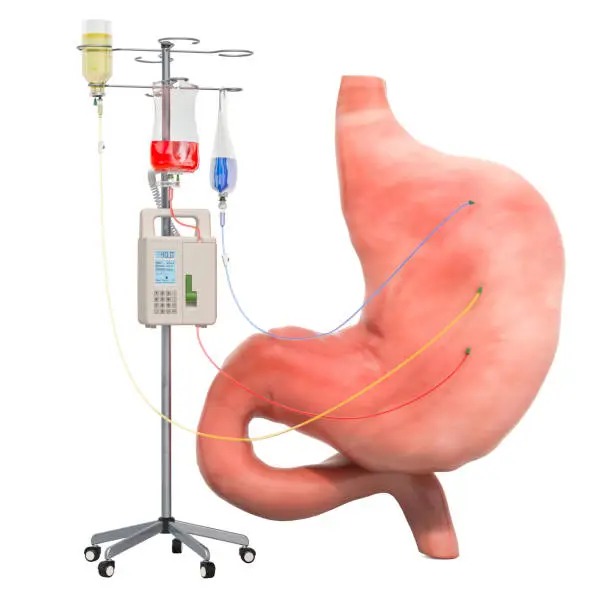
Ten years after gastric bypass surgery, the body continues to adapt to long-term changes in digestion, nutrient absorption, and metabolism. Many patients successfully maintain a significant portion of their weight loss when healthy habits remain consistent. However, some may experience gradual weight regain over time. Although the stomach pouch remains much smaller than before surgery, lifestyle choices and hormonal changes often have a greater impact on long-term outcomes.
Many obesity-related conditions, such as type 2 diabetes and high blood pressure, may remain improved for years, but they can return if weight is regained.
If you live in Southern California and are exploring Los Angeles gastric bypass surgery options, selecting a trusted bariatric center with comprehensive long-term follow-up care can help support lasting weight-loss success.
Ultimately, success 10 years later depends on maintaining healthy eating habits, regular physical activity, and ongoing medical monitoring.
Ten years after surgery, many patients can tolerate a much wider variety of foods than they could during the early stages of recovery. However, being able to eat a food does not necessarily mean it should become a regular part of the diet. The digestive system and metabolism have changed permanently, and frequent consumption of high-fat or high-sugar foods can contribute to weight regain and nutritional challenges.
Rather than following a restrictive diet, most successful long-term patients adopt a balanced lifestyle approach. They continue to prioritize protein, monitor portion sizes, and limit highly processed foods. While occasional indulgences are generally possible, consistency remains the key to protecting long-term results.
Important habits that support long-term success include:
Even a decade after surgery, food choices play an important role in maintaining weight and supporting overall health.
|
Eat More Often |
Limit or Avoid |
|
Lean proteins such as chicken and fish |
Sugary desserts and candy |
|
Leafy greens and fiber-rich vegetables |
Carbonated beverages |
|
Whole grains in moderation |
Fried and greasy foods |
|
Fresh fruits with lower sugar content |
Alcohol and high-calorie drinks |
Maintaining this balance can help support stable weight management and improve long-term digestive health.
Immediately after gastric bypass surgery, patients must follow a strict liquid diet to support healing and prevent complications. The focus is on staying hydrated while avoiding all solid foods. Sugar-free, non-carbonated liquids are recommended to reduce irritation and the risk of dumping syndrome.
Typical approved options include:
One year after gastric bypass surgery, most patients enter a maintenance phase where the diet becomes more flexible but still requires portion control and healthy habits. Small, protein-rich meals remain essential, while limiting sugary and processed foods helps prevent weight regain. Regular exercise and proper hydration also play a key role in maintaining long-term results.
A typical daily eating pattern includes:
Nutrient deficiencies can remain a concern even many years after surgery because the body absorbs certain vitamins and minerals differently. Lifelong supplementation is often recommended to prevent complications.
Vitamin B12 deficiency is one of the most common issues due to reduced stomach acid and altered absorption. Iron deficiency may develop because parts of the intestine responsible for iron absorption are bypassed. Calcium and vitamin D deficiencies are also common and can increase the risk of bone loss over time.
Routine blood work and regular medical follow-up help identify deficiencies early and ensure appropriate supplementation.
Weight regain years after surgery does not necessarily mean the procedure has failed. In most cases, it is related to changes in lifestyle habits and natural metabolic adaptation. Over time, the stomach pouch may expand slightly, but behavioral factors usually play a much larger role.
Frequent snacking, consuming calorie-dense beverages, reduced physical activity, and emotional eating can all contribute to gradual weight gain. Hormonal changes that influence hunger and fullness may also make long-term maintenance more challenging.
Recognizing these factors early can help patients make adjustments before significant weight regain occurs.
Can you eat normally after 10 years of gastric bypass?
Most patients can enjoy a wider variety of foods, but portion control and healthy choices remain important for maintaining results.
Why do people regain weight years after surgery?
Weight regain is commonly linked to lifestyle habits, frequent snacking, reduced physical activity, and gradual metabolic adaptation.
Do you still need supplements after 10 years?
Yes. Most patients require lifelong vitamin and mineral supplementation to prevent nutritional deficiencies.
Is revision surgery ever needed?
In certain situations involving major weight regain or complications, a bariatric specialist may recommend revision procedures.
A gastric bypass diet 10 years later is far less restrictive than it is immediately after surgery, but long-term success still depends on healthy habits. While patients can generally enjoy a broader range of foods, maintaining weight loss requires portion control, balanced nutrition, physical activity, and routine medical monitoring. By treating surgery as a tool rather than a permanent solution, many patients are able to preserve their results and enjoy improved health for years to come.
Comments (0)