Doctors Are Tracing More Health Problems Back to a Single Source: Your Veins
2 months ago 267

Something peculiar happens in clinical practice. A patient sits across from you, complaining of fatigue. Deep, persistent fatigue. They've slept eight hours. They didn't run a marathon. Yet they feel exhausted. The thyroid comes back normal. Hemoglobin looks fine. You're puzzled.
Then they mention the swelling. Legs swell by afternoon. They mention skin changes. Discoloration creeping in. They mention cramps in the legs during sleep. Each complaint feels separate. Isolated. But experienced clinicians increasingly recognize something. These aren't separate problems at all. They're symptoms of one underlying system failing. Veins. Blood circulation. The vascular apparatus most doctors don't think much about until things go wrong.
Consider the 52-year-old teacher. Standing for eight hours daily. Comes in complaining of leg heaviness. The swelling worsens as the afternoon approaches. She's exhausted by 3 PM despite adequate sleep. Her skin has changed. Darker around the ankles. She attributes everything to age. To weigh. To poor sleep quality.
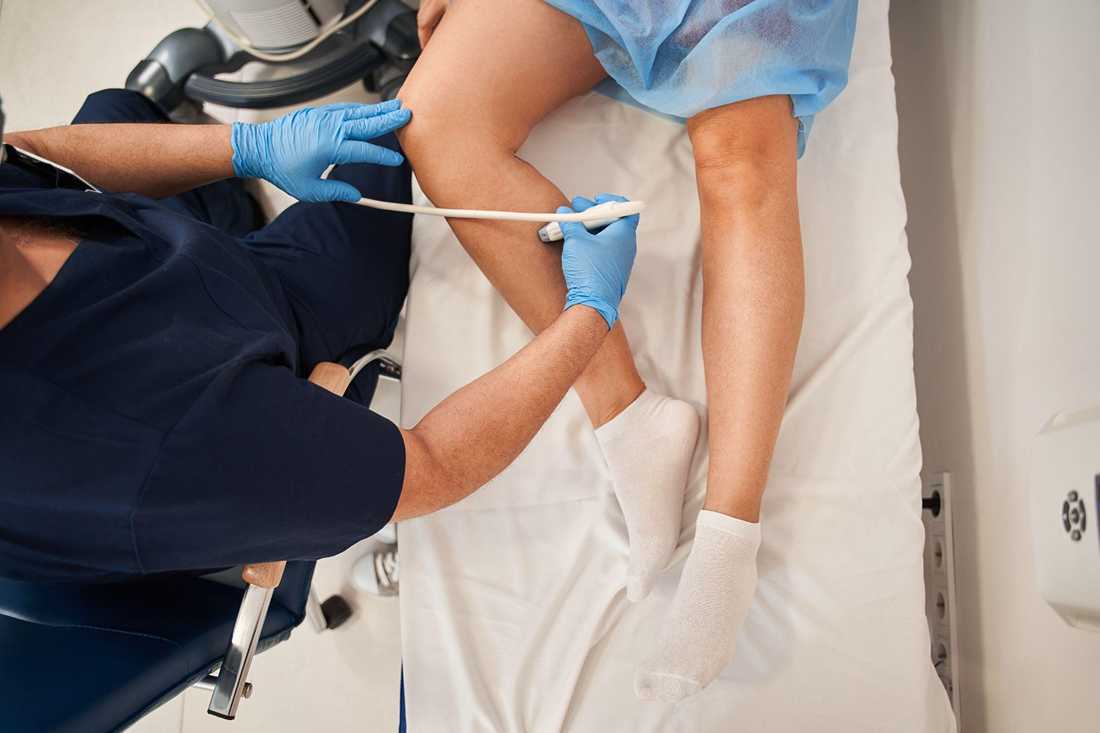
A vascular specialist examines her legs. Orders an ultrasound. Finds what wasn't obvious. Her deep veins aren't functioning properly. Blood pools. Pressure builds. Her body fights against gravity, trying to move blood upward, and fails. That fatigue isn't a thyroid issue. It's circulatory. The body compensates for inadequate circulation by working harder. Muscles don't get oxygen efficiently. Waste products accumulate. Exhaustion results.
This pattern repeats across specialties. Dermatologists see patients with unexplained skin changes. Orthopedic surgeons treat cramping that they attribute to muscle issues. Neurologists evaluate sleep problems. Rheumatologists investigate swelling and joint complaints. Each specialist treats their portion. Nobody connects the vascular dots.
Medical school emphasizes arterial disease. Cardiologists focus on heart attacks. Strokes get extensive discussion. Arterial blockages warrant aggressive intervention. Venous disease? It gets mentioned briefly. Treated as secondary. Less urgent. Less important.
This creates a gap. Venous insufficiency develops quietly. Gradually. Early symptoms seem trivial. Mild leg heaviness. Nothing worth mentioning to your doctor. By the time swelling becomes obvious, years have passed. Significant damage has accumulated.
The diagnostic challenge compounds this. Venous insufficiency presents differently depending on the patient. Some experience primarily swelling. Others report pain. Pain in the legs. Aches. Muscle cramps at night. Still others notice only skin changes. Discoloration. Texture alterations. Some patients present with sleep disruption alone. They don't mention leg symptoms at all.
Different presentations. Same root cause. But pattern recognition requires asking the right questions. Most physicians don't ask specifically about legs. Don't investigate circulation unless patients complain specifically about vascular symptoms.
Blood movement against gravity is harder than people realize. Arteries push blood downward easily. Veins must push it back up. Constantly. Against gravity's relentless pull.
Tiny one-way valves inside leg veins keep blood moving in the right direction. When those valves weaken, something breaks:
Each consequence seems independent. Together, they create a cascade. The body tries compensating. Works harder. Tires faster. Patients report feeling exhausted without understanding why.
Why do legs cramp at night? Sleep reduces blood flow naturally. Your body slows. Metabolic demand decreases. For legs already struggling with circulation, night becomes difficult. Muscles demand oxygen. Veins can't deliver it adequately. Waste products can't get removed efficiently. The muscle responds. Cramps. Sudden. Intense. Painful.
Patients wake thinking they're dehydrated. Or deficient in minerals. They supplement magnesium. Drink more water. Improve slightly. The underlying circulatory problem persists untouched.
Physicians specializing in vascular medicine understand the connections. They realize that when a patient comes in with a long list of vague symptoms, it’s often a sign of circulation issues. They investigate venous function early. They understand that compression therapy helps because it assists veins physically.
They recognize patterns. A patient with fatigue, leg swelling, skin changes plus nighttime cramping. That's not four separate problems. That's one vascular problem manifesting in multiple ways. For clinicians, this recognition changes everything. It changes how you screen patients. It changes what questions you ask. It changes treatment priorities.
Good medical practice is all about connecting the dots. When a patient comes in complaining of fatigue, leg swelling, and sleep disruption, it's rarely a case of three separate problems; it's often a single, underlying issue presenting in different ways. They're visiting with one circulatory problem expressing itself in multiple ways. Understanding this shifts diagnostic accuracy. It changes treatment. It changes conversations. It moves from treating symptoms to addressing causes.
The medical community continues recognizing what astute clinicians have observed. Venous dysfunction underlies more health complaints than previously acknowledged. Doctors increasingly investigate vascular function. They ask about legs. They recognize that swelling, fatigue, and sleep problems often trace to the same source.
Several specific approaches help catch venous insufficiency earlier:
Early diagnosis changes outcomes. Patients identified early respond better to conservative management. Those diagnosed late often require intervention.
How does venous insufficiency differ from arterial disease?
Veins return blood to the heart against gravity. Arteries deliver blood away from the heart. Venous insufficiency involves vein valve failure. Arterial disease involves blockages. Different problems require different approaches.
Why don't standard blood tests catch venous insufficiency?
Routine labs assess blood composition and organ function. They don't visualize vein structure or valve competence. Ultrasound provides proper venous assessment.
Can lifestyle changes improve venous function?
Movement activates leg muscle pumps. Hydration improves blood viscosity. Weight management reduces venous pressure. These factors significantly impact vascular health over time.
What's the relationship between venous insufficiency and nighttime cramping?
Poor circulation creates an oxygen deficit in muscles. Sleep exacerbates this since overall circulation decreases. Muscles cramp from inadequate oxygen and waste accumulation.
How often is venous insufficiency misdiagnosed as something else?
Research suggests significant underdiagnosis. Many patients with venous insufficiency receive different diagnoses because their symptoms seem unrelated to circulation.
Should compression always be the first treatment?
Graduated compression socks provide substantial symptom relief. They work best combined with movement and lifestyle modifications. Some patients need intervention if conservative measures fail.
Comments (0)