What Peptide Therapy Actually Means And Why More NYC Clients Are Exploring It
2 months ago 208

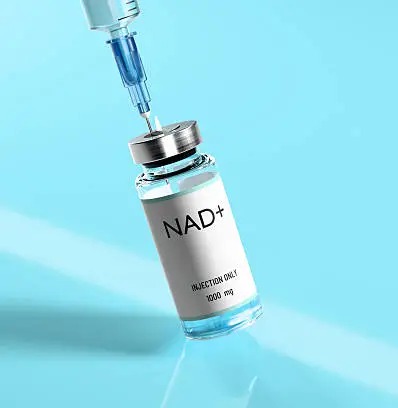
Walk through any conversation about longevity, recovery, or biohacking in New York right now and one word keeps surfacing: peptides. What used to be a topic confined to research labs and bodybuilding forums has migrated into mainstream wellness circles, showing up in conversations at Pilates studios, executive health checkups, and dinner parties across the city. But for all the buzz, a surprising number of people asking about peptide therapy NYC providers still aren't entirely sure what a peptide actually is or why it's suddenly everywhere.
At the most basic level, a peptide is a short chain of amino acids - smaller and simpler than a full protein, but still capable of sending very specific signals to the body. Think of them less like a nutrient and more like a messenger. Depending on its sequence, a peptide might signal tissue to repair itself, prompt the body to release more growth hormone, or influence how skin cells produce collagen.
This signaling quality is what separates peptide therapy from a typical supplement. A multivitamin provides raw materials. A peptide tells the body what to do with materials it may already have. That distinction is a big part of why interest has grown so quickly among people who've already tried the supplement aisle and are looking for something more targeted.
A few things make New York fertile ground for this trend. The city has an unusually high concentration of people whose careers physically demand peak output — finance professionals running on minimal sleep, dancers and performers whose bodies are their instrument, founders who can't afford a slow recovery from an injury. It also has one of the most health-literate populations in the country, with clients who read primary research before booking an appointment rather than relying on a glossy ad.
That combination — high physical demands plus high information literacy — has pushed peptide therapy out of the underground and into licensed wellness clinics that can offer it responsibly, with actual medical oversight instead of a mystery vial ordered off an unregulated website.
For many clients, the entry point into peptide therapy is recovery. Two peptides in particular, BPC-157 and TB-500, have become so closely associated with each other that they're frequently combined into a single protocol nicknamed the "Wolverine Stack" — a nod to the comic book character's rapid-healing ability. The combination has drawn attention from athletes, weekend warriors nursing tendon and joint issues, and post-surgical patients looking for additional support during rehab.
The appeal is straightforward: instead of waiting out an injury, clients want a protocol that may help the body's own repair processes work more efficiently. That said, sourcing matters enormously here. Quality and purity vary wildly across suppliers, which is exactly why providers steer clients toward clinically guided access rather than self-sourcing from unverified sellers. At NY Drip Lounge, for example, clients interested in the wolverine stack peptide buy option go through the same intake and provider-guided process as any other treatment, rather than ordering blind off a random website.
Recovery is just one branch of a much broader tree. Once clients understand the basic mechanism, many start exploring peptide wellness programs built around other goals entirely — longevity, cognitive performance, sleep quality, metabolic health, and gut function all have their own associated peptide categories. CJC-1295 and Ipamorelin, for instance, are often discussed in the context of natural growth hormone signaling, while compounds like Sermorelin and SS-31 come up frequently in longevity-focused conversations. Others, like Semax and Selank, are explored for focus and stress resilience.
The common thread across all of them is that they're not meant to be picked off a menu at random. A responsible program starts with a conversation about what the client is actually trying to solve, followed by provider guidance on which option — if any — makes sense for their specific situation.
Peptide therapy has also crept into the beauty and aesthetics conversation, and one of the more talked-about examples is what's become known online as the peptide that makes you look tan. Melanotan II works by mimicking melanocyte-stimulating hormone, which can prompt the skin to produce more melanin and develop a deeper tone without UV exposure — an appealing idea for New Yorkers who want a sun-kissed look without the skin damage that comes from tanning beds or long days at the beach.
It's worth being direct about something important here: Melanotan II is not FDA-approved, and like any peptide with cosmetic appeal, it has drawn a black market of unregulated sellers cutting corners on sourcing and dosing. That's precisely the gap that licensed, provider-guided programs are meant to close — proper health screening, sourcing accountability, and a real conversation about risks and realistic expectations before anyone moves forward, rather than a no-questions-asked transaction.
As peptide therapy has grown more visible, the gap between reputable clinics and opportunistic sellers has widened. A few questions have become standard for clients vetting a provider:
Clients who do their homework tend to gravitate toward providers who treat peptide therapy as a clinical service rather than a trend to capitalize on — which has become a meaningful differentiator in a crowded and largely unregulated market.
Peptide therapy isn't a single product or a single promise — it's a category covering everything from joint recovery to skin tone to sleep quality, unified by the idea of giving the body a specific signal rather than a generic input. That nuance is exactly why more NYC clients are taking the time to actually understand what they're considering before booking anything.
As interest keeps climbing across the city, the providers earning long-term trust are the ones pairing genuine education with real clinical oversight — treating peptide therapy less like a retail purchase and more like the medical-adjacent decision it actually is.
Comments (0)