How to Pick the Right Rebounder Trampoline (And Why FED Fitness Bcan Series Soft Land Keeps Coming Up)
2 months ago 241

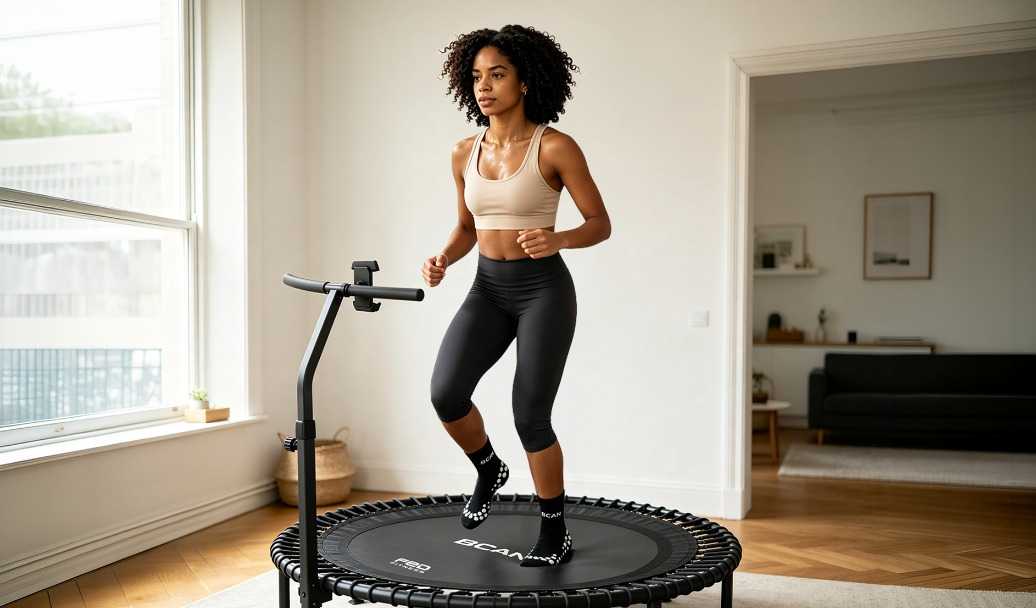
Buying a rebounder should be a straightforward decision. You want something that holds up, feels good to use, and actually delivers on the promise of a low-impact workout. But spend ten minutes browsing the options and you will quickly realize there is a lot of noise out there: similar-looking products at wildly different price points, vague specs, and marketing that makes every model sound identical.
This guide cuts through that. It covers what actually matters when choosing a rebounder trampoline, the mistakes people most often make when buying one, and why the BCAN Soft Land Rebounder from FED Fitness has become such a talked-about option in the home fitness space.
Rebounding is not a new concept. Fitness professionals have been recommending it for years, particularly for people who need a cardio option that does not hammer their joints. But the category has grown noticeably as more people shifted their workouts home and started looking for equipment that fits into real living spaces, not just purpose-built gyms.
What makes a rebounder different from something like a stationary bike or treadmill is the kind of workout it provides. You are not just moving in a straight line or pedaling against resistance. Every bounce requires your core, legs, glutes, and stabilizing muscles to work together to control the movement. That engagement happens naturally, without you having to think about it.
The joint-friendly aspect is real too. The surface absorbs impact that would otherwise go through your knees, hips, and ankles. For anyone who has tried to maintain a cardio routine with creaky joints, that difference is not small.
Most buying guides list five or six features and call it a day. But not all features carry equal weight. Here is what actually matters, and why.
This is the one that separates a frustrating rebounder from a good one. A frame that wobbles, shifts, or makes noise during movement does not just feel unpleasant. It makes you compensate with your body, which defeats the purpose of balance training and introduces real safety concerns.
One-piece frame designs tend to outperform multi-piece alternatives here because there are fewer connection points to loosen over time. Reinforced metal plates and wide footpads make a visible difference too, especially if you are doing anything more active than gentle bouncing.
The shift from metal springs to bungee cord systems has been one of the more meaningful developments in the rebounder category. Bungee-based rebounders are quieter, produce a smoother bounce, and are generally easier on the joints. If you live with other people or in an apartment building, the noise difference alone makes bungee models worth considering.
Bungee systems also tend to feel more forgiving underfoot, which matters for beginners, older adults, or anyone coming back from an injury.
Your fitness level today is not your fitness level in three months. A rebounder with only one tension setting is going to feel limiting faster than you might expect. Models that offer multiple resistance configurations let you dial things up as you improve, or dial them back on recovery days.
Six levels of adjustability is a reasonable benchmark. Fewer than that and you are trading flexibility for cost savings that you may regret later.
Do not just check whether you personally fall under the limit. Weight capacity is a proxy for overall build quality. A rebounder rated for 400 pounds dynamic weight is built with better materials than one rated for 250, even if you weigh 160. The extra headroom usually means a more durable frame and a longer product life.
If multiple people in your household will use it, this becomes even more relevant.
A lot of first-time buyers skip this and then wish they had not. An adjustable handlebar is not just for older adults or people with balance issues. It helps you maintain proper form during higher-intensity movements, gives you something to hold during more challenging sequences, and makes the whole experience feel safer when you are learning.
The best handlebars detach when you do not need them and adjust to multiple heights so they work for different users and different exercise styles.
These come up often enough that they are worth naming directly.
The Soft Land Rebounder comes up frequently in home fitness discussions, and it is not hard to see why. It addresses most of the common pain points in the rebounder category in a single package.
The rebounder ships at 90% pre-installed. You attach the legs and the handlebar and that is it. No bungee cord setup, no complicated frame assembly. For most people this takes about ten minutes. That kind of out-of-box experience matters more than it sounds when you are already motivated to start using something.
The one-piece frame construction eliminates the weak points that plague cheaper models. Add in the reinforced metal plates and the wide rectangular footpads and the whole platform feels stable even during faster, more dynamic movements. It does not shift or creak.
Two types of elastic ropes and six adjustable elasticity settings mean the bounce can be tuned to your weight, your current fitness level, and what you are trying to accomplish in any given session. That range makes the rebounder genuinely useful across different users and different training phases.
The detachable T-shaped handlebar adjusts to five heights, which means it works whether you are 5 feet tall or well over six feet. Beginners can keep it attached for confidence and form support. More experienced users can remove it for a freer range of movement. This kind of flexibility in a single piece of hardware is worth noting.
A dynamic capacity of 400 pounds and a static capacity of 500 pounds puts this well above many competitors. Beyond accommodating a wider range of users, those numbers reflect the quality of the materials underneath.
Premium rebounder brands like JumpSport have earned their reputations. Their products are well-built and well-tested. But they also carry price tags that put them out of reach for a lot of buyers.
The FED Fitness Bcan Series Soft Land typically offers a larger jumping surface, a higher weight capacity, included resistance bands, and a handlebar that comes in the base package rather than as an add-on. For most buyers comparing value rather than brand prestige, the case for the Soft Land is fairly straightforward.
The extras help too. Non-slip socks and a phone holder are small things, but they suggest a product team that thought about the actual usage experience rather than just the spec sheet.
Picking a rebounder comes down to five things: frame stability, bungee vs. spring system, adjustable resistance, weight capacity, and handlebar support. Get those right and most other decisions take care of themselves.
The FED Fitness BT4 Soft Land Rebounder checks all five. Its pre-installed bungee system, six resistance levels, sturdy one-piece frame, and adjustable handlebar make it one of the more complete options at its price point. If you are in the market for a rebounder that will hold up and grow with you, it deserves a close look.
Home fitness is a long game. The equipment that lasts, feels good to use, and actually gets used is what wins in the end.
Comments (0)