How to Choose a Vein Specialist: Credentials That Matter
20 days ago 99

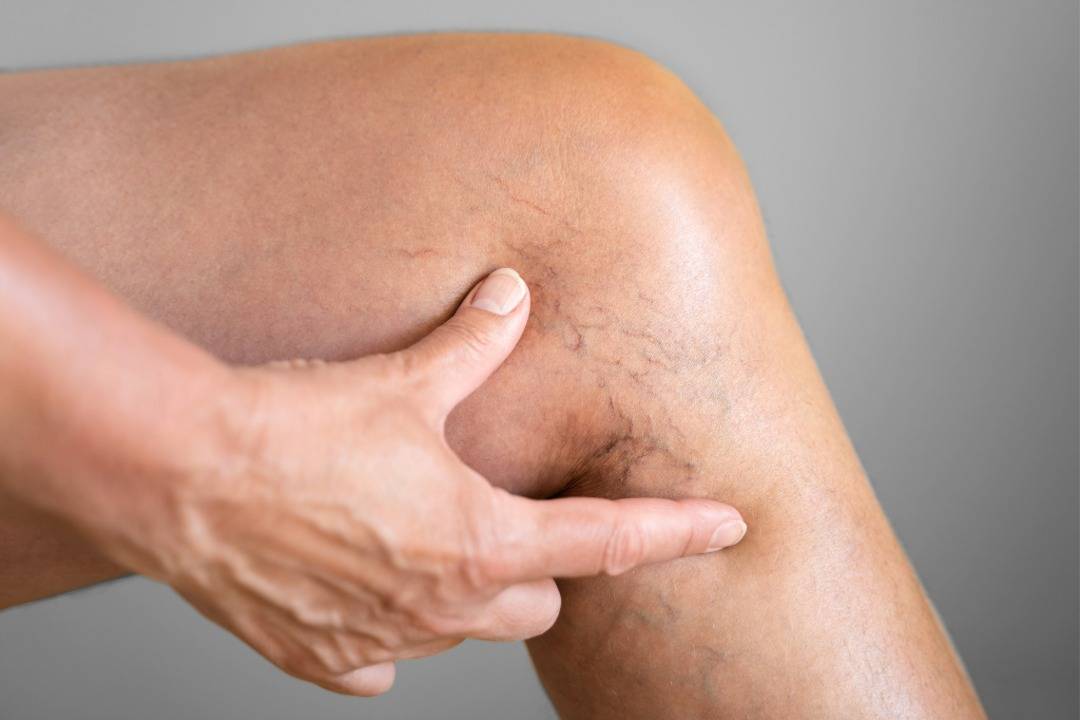
Vein symptoms may seem minor at first, yet aching, swelling, skin staining, and visible bulging can reflect inefficient blood return in the legs. The right clinician does more than remove a surface mark. When left unaddressed, these signs can progress and affect mobility, comfort, and skin health over time. That progression is why the choice of specialist carries real weight.
Sound training, accurate imaging, and strong procedural judgment shape both safety and outcome. Patients who get treated by experienced vein specialists after reviewing credentials carefully can sort medical expertise from sales language and choose care grounded in diagnosis, anatomy, and long-term symptom relief. The following areas offer a practical starting point for that review.
Before choosing a provider, patients should verify board certification, clinical focus, and procedure history. That review gives useful context beyond advertising language or office decor. A physician with formal specialty credentials has completed standardized testing and supervised training. Those markers help families judge whether leg pain, heaviness, swelling, or varicose changes will be assessed as medical concerns rather than cosmetic flaws.
Vein care works best when the physician has a background linked to vascular disease. Training in vascular surgery, interventional radiology, or a close specialty supports stronger clinical judgment. That preparation matters because venous reflux, edema, dermatitis, and ulcer risk require more than a quick visual check. Education also shapes how well a doctor connects symptoms with valve failure, pressure changes, and impaired return flow.
Technical skill improves with repetition, and veins do not all behave alike. A doctor who performs these procedures often has likely managed twisted anatomy, recurrent reflux, and post-thrombotic changes. That experience can support steadier catheter placement and safer decision-making during treatment. Patients should ask how many ablations, injections, or related interventions the physician performs each month and how long that work has been routine.
Good vein care starts with duplex ultrasound, because appearance alone cannot show reflux or obstruction. Imaging reveals whether valves fail, which segments carry abnormal backward flow, and where treatment should begin. Patients should ask who performs the scan and how results are reviewed. Clear explanation matters, since a trustworthy plan depends on documented findings rather than assumptions drawn from visible surface veins.
A serious clinic treats more than spider veins or cosmetic irritation. Leg fatigue, throbbing, cramps, ankle swelling, skin thickening, and slow-healing ulcers may all stem from venous disease. Providers who manage this full range usually approach care with a medical lens. That broader scope also suggests the doctor can distinguish superficial concerns from deeper circulation problems needing prompt attention or staged treatment.
Many venous disorders can be treated safely in an outpatient office. Heat-based ablation, ultrasound-guided foam, and related methods usually involve smaller incisions and shorter recovery than older operations. Patients should still ask why a proposed approach fits the anatomy shown on imaging. A clear rationale suggests the physician is matching treatment to disease pattern, symptom burden, and expected healing time.
Support staff affect care quality at every visit. Skilled ultrasound technologists improve image accuracy, while trained nurses and advanced practitioners help with education, preparation, and follow-up. Their knowledge can reduce confusion before a procedure and during recovery. Patients benefit when the whole team understands venous disease, compression use, wound concerns, and the warning signs that deserve quick medical review.
Treatment should follow symptoms, history, physical findings, and ultrasound evidence. A credible physician explains why one method fits better than another and what benefit is realistic. That conversation should cover expected relief, possible side effects, and whether staged care is needed. Patients can learn a great deal from how clearly the plan is justified, especially if pressure, pain, or skin change limits daily activity.
Credentials lead the decision, yet practical details still matter. Patients should ask whether major insurance plans are accepted, how soon imaging can be scheduled, and what the approval process involves. Organized answers often reflect an organized practice. Timely access also matters for people dealing with persistent swelling, discomfort after standing, or mobility limits that make repeated delays especially frustrating.
Patient reviews can add texture to the credential check, though they should never replace it. Helpful comments often mention clear explanations, careful ultrasounds, respectful staff, and steady follow-up after treatment. Patterns matter more than a single glowing post. If many patients describe thoughtful assessment and symptom improvement, that consistency may support what formal qualifications and clinical experience already suggest.
Choosing a vein specialist should rest on evidence that patients can verify. Board certification, specialty training, ultrasound skill, and meaningful procedure volume offer a stronger basis than slogans or appearance. Team quality, access, and patient feedback still have value, yet medical credentials deserve first attention. A careful review helps patients find care that is safer, more precise, and better suited to chronic venous symptoms with real physiologic causes.
Comments (0)