Recovery After Varicose Vein Treatment: What to Know
3 months ago 160

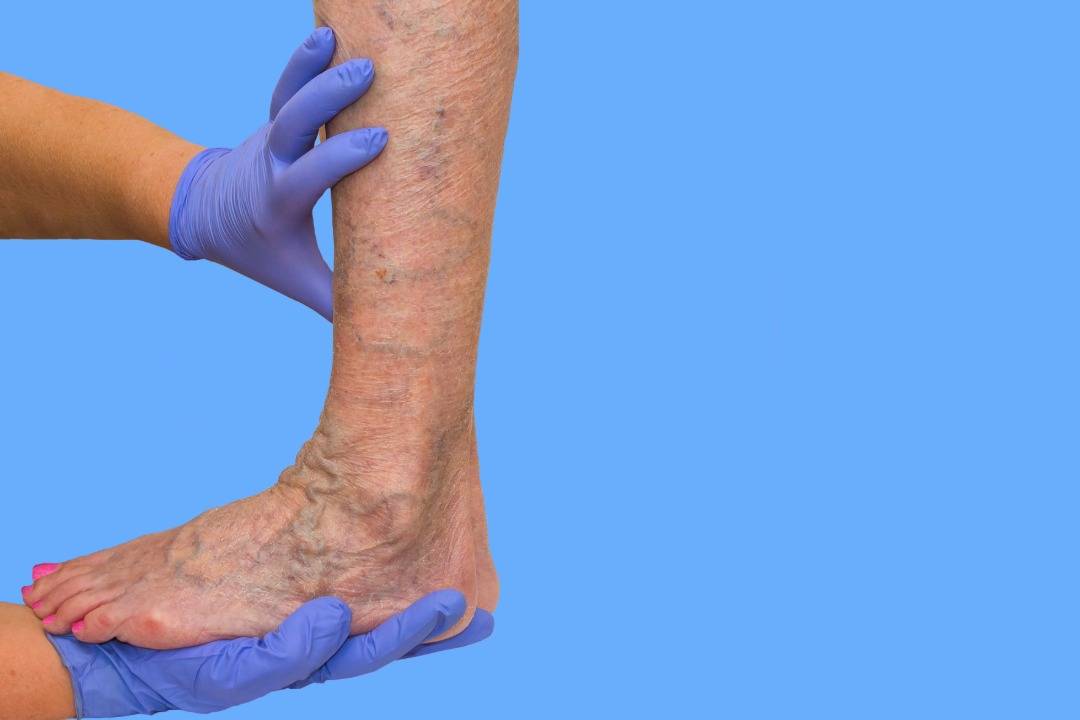
Recovery after varicose vein treatment is usually simpler than many patients expect, but thoughtful aftercare still shapes comfort and outcome. Current office procedures often use local anesthetic, tiny access points, and same-day discharge. That reduces tissue disruption and limits interruption to daily life. Still, knowing what to expect during the healing period can make a real difference.
Healing still differs by vein size, treatment method, skin sensitivity, and circulation patterns. Patients who explore safe options for varicose vein treatment ahead of time often feel better prepared for the recovery process. Clear guidance helps patients protect closure of treated veins, ease swelling, and resume routine activity with fewer setbacks. The sections below cover what most patients can expect during that process.
Many patients are asked to walk soon after treatment because calf-muscle movement supports venous return and lowers stiffness. Light aching, bruising, or a pulling sensation can occur early. Before treatment, many people compare recovery time, activity limits, compression needs, and follow-up plans. That preparation often makes the first forty-eight hours feel more predictable and much less stressful.
Compression stockings are commonly advised because they support blood flow back toward the heart and limit fluid buildup in the lower legs. A clinician may recommend daytime wear for several days, or longer, depending on vein diameter and procedure type. Proper fit matters. Fabric that bunches, rolls, or pinches can irritate skin and create pressure marks. Stockings should feel firm, without numbness, sharp pain, or toe discoloration.
Gentle walking is usually encouraged on the same day because it activates the calf pump without placing excess strain on healing tissue. Short walks, spread across the day, can reduce heaviness and help control swelling. Long stretches of sitting or standing still may slow recovery during the first week. If travel is unavoidable, regular walking breaks and ankle flexing can help maintain circulation and leg comfort.
Bruising, tenderness, itching, and a cord-like firmness under the skin can appear during normal healing. Those changes often settle over days or weeks, based on the vein treated and the method used. Some patients also notice temporary tightness with stair climbing or knee bending. Cool packs may ease discomfort if a clinician approves them. Home care should match the written instructions given after the procedure.
Showering is often allowed within a day or two, though soaking in hot baths, pools, or saunas may need to wait. Heat can widen surface vessels and increase swelling during early healing. Lukewarm water is usually the safer choice. Treated skin should stay clean and dry, with only light contact while washing. If bandages are present, timing matters, and early removal can disturb the healing surface.
Many patients return to desk work within one or two days, especially after minimally invasive treatment. Jobs that involve lifting, climbing, or prolonged standing may require a longer break. Vigorous exercise, heavy leg training, and high-impact sports are often delayed for one to two weeks. That pause gives the vein wall time to seal and reduces extra pressure on tender tissue while circulation adjusts to the new pathway.
Most recoveries progress smoothly, but a few symptoms need prompt medical review. Increasing redness, marked warmth, sudden swelling, fever, or chest pain should never be brushed aside. Bleeding that continues despite firm pressure also deserves urgent attention. Pain should gradually ease, not intensify each day. A timely call to the treating clinic can help separate expected healing from signs of clotting, infection, or another complication.
Visible improvement often appears in stages rather than all at once. Smaller surface veins may fade earlier, while larger bulges can flatten more slowly as trapped blood is reabsorbed and inflammation settles.
Legs may feel lighter before the skin looks different. Symptom relief can arrive ahead of cosmetic change because venous pressure improves before surface contours fully soften. Follow-up imaging may also show healthier flow patterns while outward changes are still developing.
Follow-up visits help confirm that treated veins have closed properly and that blood is moving through healthier channels. Many clinicians use ultrasound during review appointments to check closure, rule out clot extension, and decide whether added treatment is needed. Patients should bring questions about stockings, exercise, travel, and future risk. That discussion is useful for people with family history, pregnancy-related vein changes, or occupations that strain the legs.
Recovery after varicose vein treatment is usually steady, practical, and less disruptive than many patients fear. Early walking, proper compression, and sensible activity limits support smoother healing and better blood return. Mild bruising or soreness is common, while worsening pain, major swelling, or chest symptoms need quick review. With realistic expectations and careful follow-up, patients can protect vein function, return to daily routines sooner, and feel more confident about long-term leg health.
Comments (0)