Non-Surgical Knee Pain Relief: What Are Your Options?
25 days ago 118

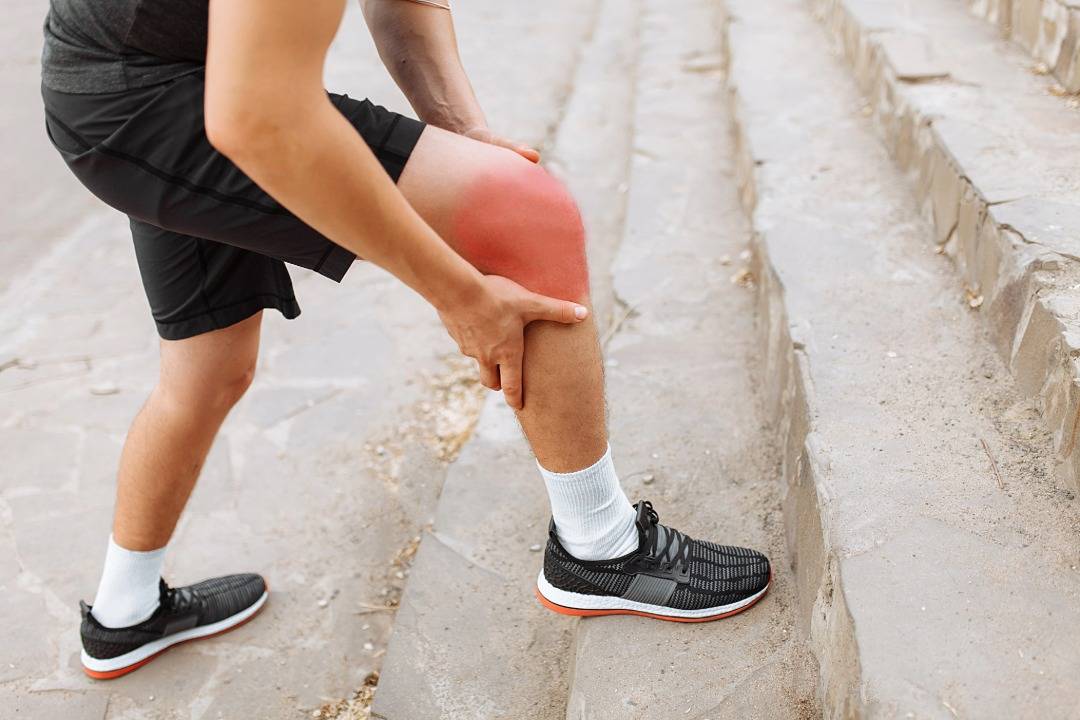
Knee pain changes how people walk, sleep, climb stairs, and stay active. Osteoarthritis remains a leading cause, though tendon strain, meniscus injury, bursitis, and excess joint load also matter. When symptoms persist, they can limit work, exercise, and even basic movement around the house. Understanding the available options helps patients take the right steps earlier.
Surgery can be helpful in selected cases, yet many adults first need practical, lower-risk care. Patients looking to treat knee pain without surgery often find that non-operative treatment may ease inflammation, improve mechanics, and support daily function when matched to the source of symptoms. The following options cover what most patients and clinicians consider first.
Unresolved soreness often leads to guarded movement, weaker leg muscles, and rising pressure across the joint. For many patients, early evaluation helps separate cartilage wear from tendon irritation, lining inflammation, or overload from poor mechanics. That distinction shapes care, because a swollen arthritic knee needs a different plan than pain driven by unstable movement patterns.
Osteoarthritis often sits at the center of chronic knee symptoms, especially later in life. Prior ligament damage, meniscus tears, repetitive squatting, and high-impact training can also irritate joint structures. Extra body mass increases compressive force with every step. In some patients, weak hip control shifts stress downward, leaving the knee to absorb motion it cannot manage comfortably.
Basic home measures still matter. Ice can settle post-activity swelling, while warmth may loosen stiff tissue before walking. Supportive footwear sometimes improves leg alignment enough to reduce irritation. Small activity changes, like shorter routes or fewer deep bends, can calm a flare without complete rest. When body weight drops, pressure across the joint usually falls as well.
Therapeutic exercise remains central for many patients. Strength work often targets the quadriceps, gluteal muscles, calves, and core to improve load transfer. Balance drills can sharpen control during turns, stairs, and uneven ground. A therapist may also correct stride habits that keep the knee under constant stress. Steady practice tends to improve function, even with arthritic changes on imaging.
Medication can reduce pain, though it does not repair worn cartilage. Acetaminophen may help milder symptoms in some adults. Anti-inflammatory drugs can lower swelling, yet stomach bleeding, kidney strain, and blood pressure changes deserve attention. Topical preparations sometimes offer relief with less whole-body exposure. Safe use depends on age, medical history, and other prescriptions already in the picture.
Braces and sleeves can help selected patients, though fit matters. An unloading brace may reduce pressure in one compartment of the knee during walking. Compression sleeves sometimes improve comfort by adding warmth and mild support. Foot orthotics may help if arch position changes leg mechanics. Poorly chosen devices can irritate skin or alter gait in ways that add strain.
Injections may provide another layer of relief. Corticosteroid treatment can quiet active inflammation for a limited period, though repeated use is usually approached carefully. Hyaluronic acid aims to improve joint lubrication, yet study results remain mixed. Platelet-rich plasma has drawn interest for osteoarthritis and tendon pain, but response varies. Cost, imaging findings, and symptom pattern should guide selection.
Image-guided care has widened the non-surgical menu for knee osteoarthritis. One option, genicular artery embolization, targets tiny abnormal vessels linked with persistent synovial inflammation. The procedure is usually performed through a small catheter, with imaging used for precision. Most patients go home the same day. Recovery is often shorter than after joint replacement or other open operations.
Candidates are usually adults with ongoing arthritic pain that has not improved enough after exercise therapy, medication, injections, or activity adjustment. Evaluation often includes history, examination, and imaging to confirm the source of symptoms. Clinicians also review blood flow, prior procedures, and current drugs. Careful selection helps balance expected relief against procedural risk and likely durability.
Daily routines can either ease symptoms or keep them simmering. Low-impact activity, such as cycling, swimming, or pool walking, supports joint motion without repeated pounding. Short strengthening sessions help preserve muscle support around the knee. Sleep deserves attention because poor rest heightens pain sensitivity. Meals built around produce, beans, fish, and whole grains may support weight control and comfort.
Non-operative care has limits. Severe deformity, marked instability, advanced cartilage loss, or persistent disability after well-planned treatment may shift discussion to surgery. Sudden locking, fever, or inability to bear weight after trauma needs prompt medical assessment. Even in those cases, conservative care still has value. Better strength and mobility before an operation often improve recovery after the procedure.
Many forms of knee pain respond to thoughtful non-surgical care. Home measures, structured exercise, medication, bracing, injections, and image-guided procedures each serve a different clinical purpose. The best results usually come from matching treatment to the tissue causing symptoms, rather than chasing temporary relief alone. With early assessment and consistent follow-through, many patients can move better, hurt less, and postpone surgery.
Comments (0)