What to Expect From Professional Laser Hair Removal Treatments
3 months ago 152

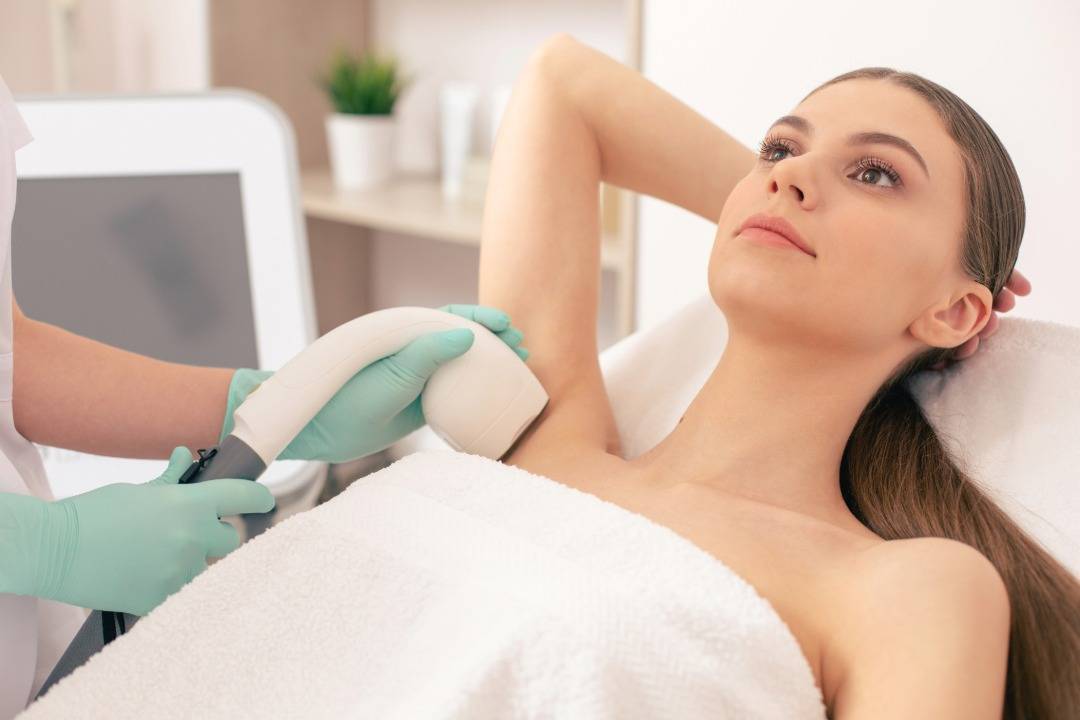
Professional laser hair removal treatments offer a medically guided way to reduce unwanted growth without weekly shaving, waxing, or tweezing. The process uses concentrated light to heat pigment inside active follicles, slowing future production over a planned series. Outcomes vary by skin tone, hair color, hormones, treatment site, and timing. A qualified clinician should review preparation, comfort options, expected shedding, and possible reactions before any session begins.
A careful consultation protects both safety and results. The provider checks skin type, follicle density, medical history, medications, and recent sun exposure before choosing settings. For patients considering laser hair removal in Newport Beach, this screening connects the person’s goals with realistic timing, suitable device parameters, and a lower risk of preventable irritation.
Laser energy passes through the skin and targets melanin inside growing hair. Heat travels down the shaft and affects the follicle’s ability to produce another strand. Because growth cycles vary across body areas, one visit cannot reach every active root. A series gives the clinician repeated chances to treat follicles as they enter the responsive phase.
Patients commonly request care for the underarms, legs, bikini line, chest, back, shoulders, abdomen, hands, chin, or upper lip. Small areas may finish quickly. Broad zones take longer because the provider works in measured passes. Settings may change by location, hair thickness, sensation level, and visible skin response.
Shaving is usually recommended before the visit, since surface hair can absorb excess heat. Waxing, threading, and plucking should stop because the root must remain intact. Recent tanning can increase pigment changes, so sun exposure needs caution. The area should be clean, calm, and free from heavy creams, fragrance, or open irritation.
The clinician cleans the skin, positions protective eyewear, and may use cooling or numbing support. Patients often feel brief heat, prickling, or a snapping sensation. Sensitive zones can feel sharper than larger, fleshier areas. Most visits move quickly, though the back, full legs, or chest require more time.
Some offices use platforms with different wavelengths to treat varied skin tones and hair patterns. Device choice depends on pigment contrast, treatment location, strand diameter, and clinician assessment. Cooling features may also influence comfort.
Temporary redness, warmth, small bumps, or mild swelling can follow treatment. These reactions often settle within hours, though sensitive skin may need longer. Cool compresses can ease tenderness. Patients are usually told to avoid tanning, aggressive exfoliation, hot tubs, saunas, and heavy heat exposure for a short recovery window.
Hair usually sheds gradually rather than disappearing during the appointment. Treated strands may loosen over one to two weeks. With each visit, many patients notice finer texture, slower return, and reduced density. Plans often include several sessions spaced weeks apart. Maintenance may be useful because dormant follicles can become active later.
Trained clinicians perform laser care, which is well tolerated, but reactions may still occur. Short-term redness and tenderness are most common. Less frequent effects include pigment shifts, crusting, blistering, texture changes, or rare scarring. Patients should disclose prescriptions, recent procedures, tanning habits, pregnancy status, and skin conditions before treatment.
Good candidates can follow preparation guidance and understand that reduction takes time. Dark coarse hair often responds strongly because melanin absorbs light efficiently. Lighter or finer strands may respond less predictably. Skin tone, medical history, hormonal patterns, and medication use all influence candidacy, which is why examination matters.
Pricing depends on the size of the area, number of sessions, device type, provider training, and regional fees. Small zones usually cost less than larger sites. Packages may offer lower per-visit pricing when multiple appointments are planned. Patients should ask what is included, how many visits are expected, and whether maintenance carries separate fees.
Professional care can reduce growth, but total permanent clearance is not promised for every patient. Genetics, hormones, age, and some medications may influence regrowth. Consistent scheduling improves the chance of a meaningful reduction. Clear communication also matters, especially if redness, blistering, pigment change, or unusual discomfort appears between visits.
Laser hair removal can be a practical option for patients who want fewer grooming steps and longer intervals between regrowth. A strong experience begins with medical screening, clear preparation, controlled energy delivery, and sensible aftercare. Repeat sessions help address follicles at different growth stages. With realistic goals and steady follow-through, patients can expect smoother skin, lighter regrowth, and a simpler personal care routine.
Comments (0)