Key Techniques Used in Applied Behavior Analysis Therapy
20 days ago 74

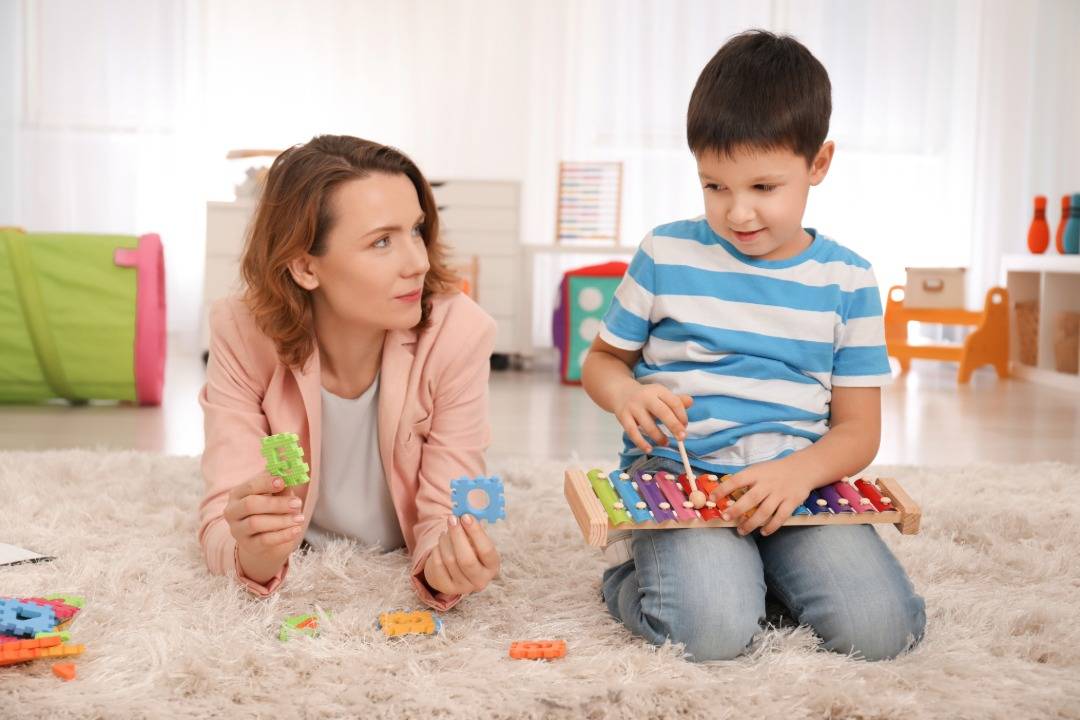
Applied behavior analysis therapy relies on careful observation, structured teaching, and repeated measurement. Many children receive support for communication, attention, play, self-care, and emotional regulation. Progress depends on goals that align with daily life, not on abstract clinical targets. Impactful therapy feels organized, calm, and respectful. Each method helps clinicians teach one manageable skill, while your shared attention remains on practical growth at home, school, and in community settings.
Caregivers often compare services after a diagnosis, a speech delay, or a concern about preschool. A trusted clinic’s page for applied behavior analysis therapy in Florissant, MO, can clarify age ranges, autism evaluation options, speech support, and daily clinic routines. Those details help families prepare better questions before intake, treatment planning, and care coordination.
Therapists first ask what a behavior accomplishes. A child may want attention, escape, access to an item, or sensory relief. Direct observation shows patterns across time, setting, and caregiver response. Once the function is clearer, clinicians teach a safer replacement skill that serves the same need.
Positive reinforcement strengthens helpful behavior by adding something meaningful after it occurs. That may be praise, a break, movement, play, or access to preferred materials. Timing matters. Feedback should follow quickly, while the connection is clear. As skills improve, therapists shift rewards toward natural social or routine-based outcomes.
Prompting gives enough support for success without taking over the task. A therapist may use a gesture, a model, a picture, a spoken cue, or a gentle physical guide. The plan should include prompt fading from the start. Independence grows when help becomes lighter in a planned, consistent way.
Task analysis turns a routine into teachable steps. Handwashing, dressing, toothbrushing, snack preparation, and classroom transitions can all be broken down. Clinicians may teach steps forward, backward, or in sequence. This structure reduces confusion and helps children practice daily living skills with measurable progress.
Discrete trial teaching uses brief, focused learning trials. The therapist gives an instruction, the child responds, and feedback follows. Each trial targets one skill, such as imitation, matching, labeling, or following directions. Repeated data points show whether the instruction is working, too easy, or too difficult.
Natural environment teaching uses play, meals, routines, and preferred activities as learning opportunities. A child might request bubbles, identify blocks, share materials, or follow directions during movement. Skills learned this way often transfer more easily because practice happens during meaningful activity, not only at a table.
Communication goals are central in many care plans. Children may use speech, signs, pictures, gestures, or a communication device. The purpose is functional expression. A child needs a reliable way to ask, refuse, comment, choose, and seek help. Clear communication can reduce frustration during ordinary routines.
Behavior replacement teaches a useful response in place of unsafe or disruptive action. Grabbing may become pointing or asking. Running may become stopping near an adult. The new response must meet the same need as the old pattern. Without that match, change rarely lasts.
Applied behavior analysis therapy depends on measurement. Clinicians record frequency, duration, accuracy, independence, and response patterns. Numbers help teams see whether a goal is improving, stalled, or poorly matched. Data also guides changes to prompts, reinforcement, session pacing, and teaching materials.
A skill becomes stronger when it works across people, places, and materials. A child may practice requesting at a table, then during snack, play, and community outings. Therapists plan these shifts gradually. Generalization keeps progress from being limited to one room, person, or routine.
Caregiver coaching helps treatment carry into daily life. Parents and guardians can learn ways to support communication, transitions, play, sleep routines, and calming strategies. Coaching may include modeling, guided practice, and feedback. Families do not need clinical scripts. They need usable tools that fit real schedules.
Applied behavior analysis therapy brings assessment, reinforcement, prompting, communication support, practice, and data review into one coordinated plan. Each technique should respect the child’s needs, medical history, strengths, and learning pace. Strong programs include caregivers because daily routines offer many practice opportunities. When care is clear, consistent, and humane, children can build skills that support independence, connection, and participation across your shared community.
Comments (0)