Mild Hearing Loss: Should You Intervene Early?
25 days ago 191


Hearing loss is rarely sudden. For most adults, it creeps in so gradually that the brain compensates for months or even years before the individual notices anything wrong. The first sign often appears not during a quiet conversation, but in front of the television.
When a family member begins turning up the TV volume to a level others find uncomfortable, or repeatedly asks “What did he just say?” during a news broadcast, these are not signs of inattention or stubbornness. They are classic indicators of mild hearing loss. The question that follows is critical: should this level of hearing difficulty be addressed immediately, or is it safe to wait until it becomes more severe?
This article examines the consequences of delaying intervention, the specific role of television as an early detection tool, and the modern, affordable solutions that make early treatment both practical and beneficial.
Clinically, mild hearing loss is defined as a hearing threshold between 26 and 40 decibels—enough to make high-frequency sounds difficult to distinguish. To put that in perspective, a whisper typically measures around 30 dB, while normal conversation ranges from 50 to 60 dB.
A person with mild loss can still hear speech, but they lose the softer consonants – the “s,” “th,” “f,” and “sh” sounds that carry meaning in every sentence.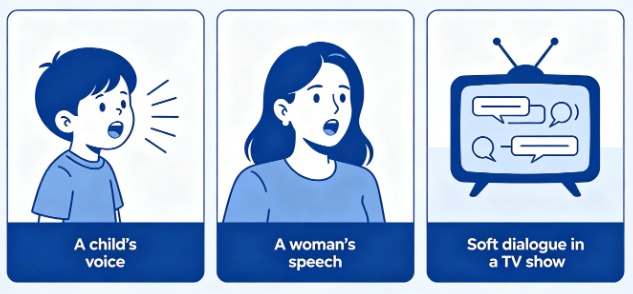
This explains why television becomes problematic. Television watching is not just a leisure activity; it is a consistent, repeatable auditory challenge. For this reason, it serves as an excellent early screening tool for hearing difficulties. Family members can observe several behavioral red flags:
The individual sets the TV volume consistently 5–10 levels higher than others in the room.
They rely heavily on closed captions even when no other background noise is present.
They misunderstand specific words or names, especially those with soft consonants.
After watching a program, they report fatigue or headache – signs of excessive cognitive effort.
When these patterns emerge, the appropriate response is not to argue about volume or purchase cheaper headphones. It is to acknowledge that mild hearing loss has likely developed.
Unlike moderate or severe hearing loss, which is often obvious, mild hearing loss is easy to overlook. Your parent might not complain about “not hearing”; instead, they’ll adjust their habits quietly: turning up the TV, leaning in during conversations, or avoiding noisy rooms where they struggle to follow chats.
Many seniors and their families mistakenly think that “mild” means “harmless,” but this misunderstanding often leads to delayed intervention and worse hearing outcomes later on.
One of the biggest misconceptions about mild hearing loss is that it’s “harmless” and can be left untreated. But mild hearing loss is not a static condition; it’s often the first step toward more severe hearing damage. When seniors can’t hear clearly, they unknowingly put more strain on their ears to compensate. For example, cranking up the TV volume to hear dialogue doesn’t just disturb the family—it also exposes their delicate inner ear hair cells to excessive sound, accelerating the progression of hearing loss.
What starts as mild difficulty hearing TV lines or soft conversations can quickly turn into moderate hearing loss, where even normal speech becomes hard to understand. The cost of ignoring mild hearing loss is far higher than intervening early: later-stage hearing loss often requires more expensive, complex hearing aids, whereas low cost hearing aids can effectively address mild loss and prevent further damage. Investing in low cost hearing aids early on is not just a financial decision—it’s a way to protect your loved one’s hearing for years to come.
Beyond the physical damage, mild hearing loss also takes a hidden emotional toll: loneliness and disconnection. For seniors, daily interactions—whether chatting with family, laughing at a TV show, or sharing stories with grandchildren—are the foundation of their emotional well-being. When they can’t hear clearly, they start to withdraw. They might stop joining family TV nights because they can’t follow the plot, or avoid conversations because they’re tired of asking “What did you say?” repeatedly.
Over time, this withdrawal creates a cycle of isolation: the more they pull back, the more distant they feel from their loved ones, and the more their mental health suffers. Studies have shown that seniors with untreated hearing loss are far more likely to experience anxiety, depression, and feelings of loneliness. Choosing the best hearing aids for the elderly early on can break this cycle, allowing them to stay connected to the people and moments that matter most. The best hearing aids for the elderly aren’t just about “hearing better”—they’re about preserving emotional connections and quality of life.
The traditional approach to hearing loss has been “wait until it’s bad enough for prescription hearing aids.” That model is outdated. Since the FDA established the over-the-counter (OTC) hearing aid category in 2022, adults with mild to moderate loss have been able to purchase safe, effective devices without a medical prescription.
The core purpose of intervening in mild hearing loss is not to “cure” it—hearing loss is typically irreversible—but to “stop the damage” and preserve the hearing they still have. It’s about helping seniors stay engaged in daily life, maintaining their dignity, and keeping the lines of communication open with their family. For most seniors with mild hearing loss, the ideal solution is a device that fits seamlessly into their daily routine—something discreet, easy to use, and versatile enough to handle all their listening needs, from chatting with a friend to watching TV.
Many modern hearing aids, like the Retekess TE103, come with built-in TV Mode, making them a perfect wireless hearing aid for tv. A wireless hearing aid for tv is essential for seniors who enjoy watching shows, as it solves the common frustration of “hearing sound but not dialogue.”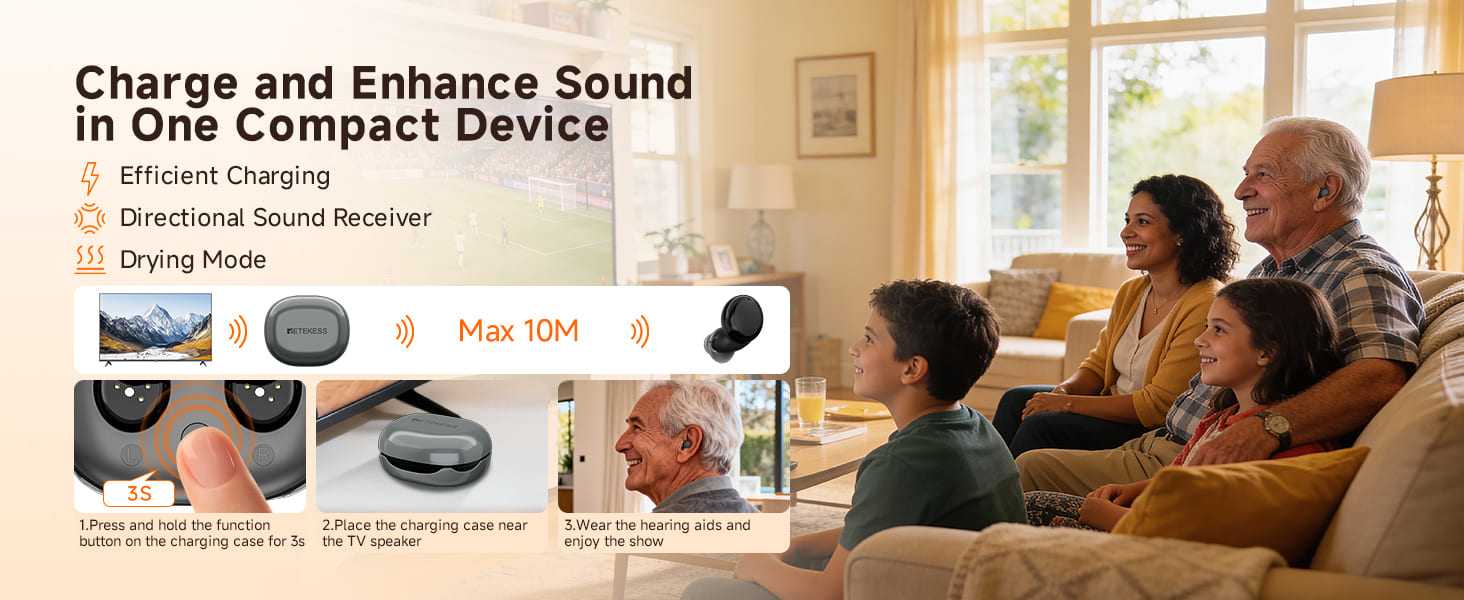
A common misconception is that all quality hearing solutions are expensive. In reality, low cost hearing aids for seniors in the OTC category often deliver excellent performance for mild loss at a fraction of the cost of prescription devices. Premium prescription hearing aids can range from 2,000 to 7,000 per pair, whereas many OTC models are available between 200 and 800.
Early intervention with an affordable device prevents the need for more intensive (and expensive) treatment later. Additionally, some OTC devices combine the functions of a hearing aid and a television headset, eliminating the need to purchase separate products. This integration offers better value and reduces the clutter of multiple devices.
In addition to choosing the right hearing aids, there are simple, low-cost steps to support mild hearing loss intervention. Optimizing daily listening environments can make a big difference: for TV watching, enable the “dialogue enhancement” feature on the TV, lower background music, and position the TV at a comfortable distance (1-2 meters) in front of the viewer. When chatting with seniors, speak slowly, face them directly, and avoid talking in noisy environments—these small adjustments can make it easier for them to follow conversations without straining their ears.
It’s also important to encourage seniors to wear their hearing aids consistently. Many seniors are hesitant to wear hearing aids because of self-consciousness, but regular use is key to adapting to the device and maximizing its benefits. Remind them that wearing hearing aids is a sign of self-care, not a “weakness”—it’s a way to stay connected to the people and moments they love.
Mild hearing loss is not a “minor inconvenience”—it’s a warning sign that deserves attention. Ignoring it doesn’t just lead to worse hearing; it leads to loneliness, disconnection, and a lower quality of life for seniors. The television, far from being an unrelated appliance, serves as a valuable early warning system. When volume wars and misunderstood dialogue become routine, the responsible choice is to act.
Fortunately, intervening early is simple and affordable: low cost hearing aids, especially CIC hearing aids, offer a discreet, effective solution that fits seamlessly into daily life. These invisible hearing aids not only help seniors hear TV clearly and join conversations confidently but also preserve their dignity and emotional connections with family. The question is no longer “can I afford to intervene?” but rather “can I afford not to?”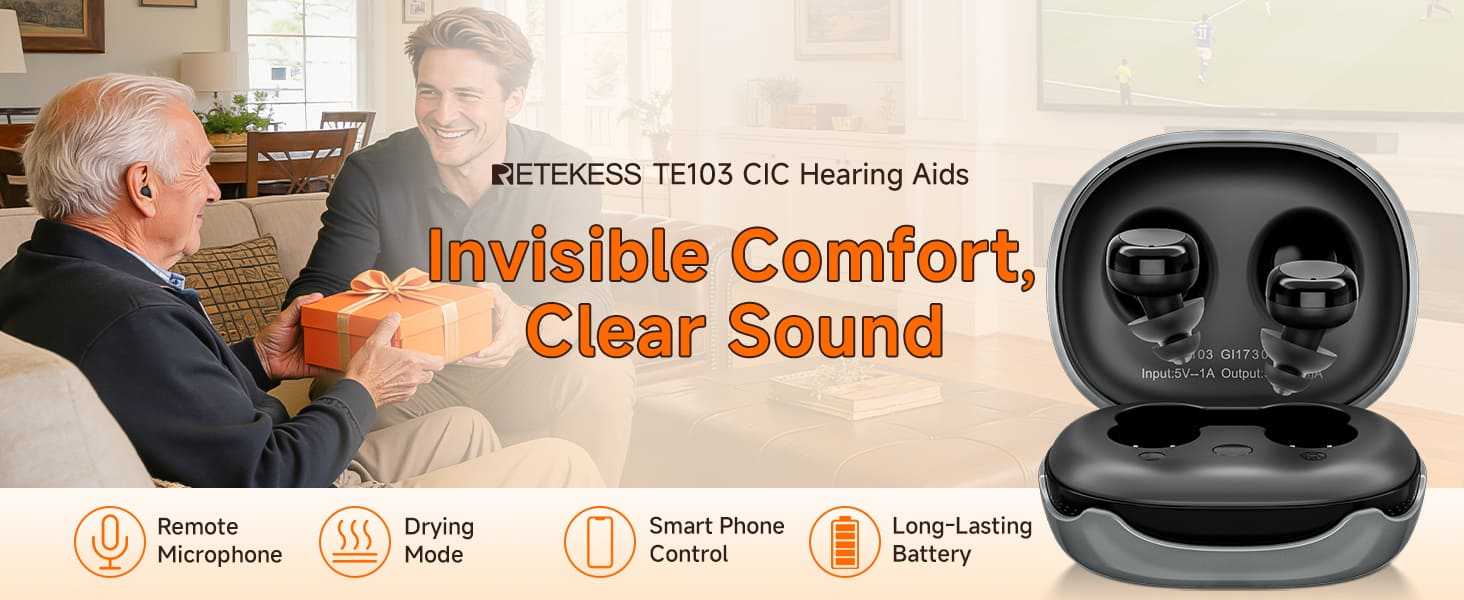
Take the first step this week. Observe the television habits in your home. Complete a hearing screening. If you’ve noticed the subtle signs of mild hearing loss in your elderly loved one—turning up the TV, leaning in during chats, or avoiding social situations—it’s time to take action. Choose the best hearing aids for the elderly, like the Retekess TE103 CIC hearing aids, and help them stay connected to the world around them.
Comments (0)