VR Arcade Business Guide 2026: Everything You Need to Launch Successfully
29 days ago 145

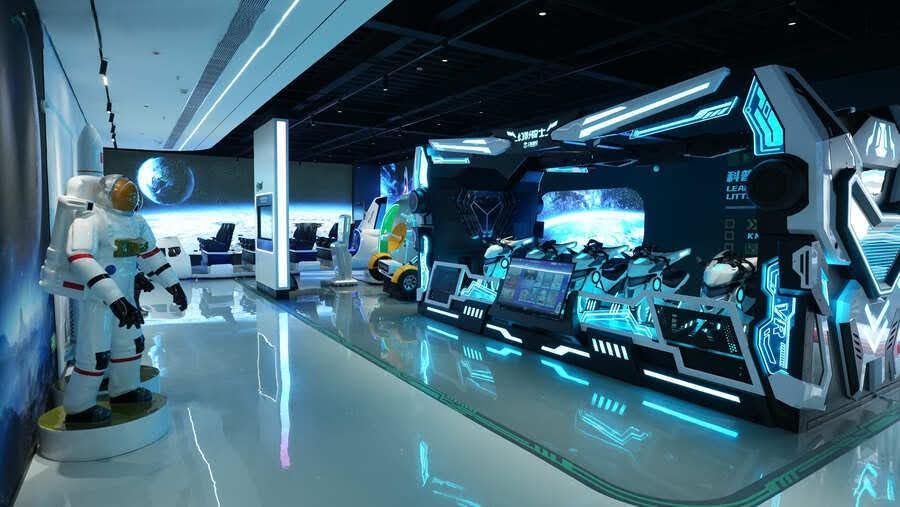
The virtual reality industry continues to grow rapidly, creating exciting opportunities for entrepreneurs looking to enter a profitable entertainment sector. As technology becomes more affordable and immersive, VR arcades are attracting gamers, families, corporate groups, and technology enthusiasts seeking unique experiences that cannot be replicated at home. In 2026, the market for location-based virtual reality entertainment is expected to expand even further, making it an ideal time to start a VR arcade business.
Launching a successful VR arcade requires careful planning, the right equipment, a strong business model, and a clear understanding of customer expectations. This guide covers everything you need to know to establish and grow a thriving VR arcade in 2026.
A VR arcade offers customers access to advanced virtual reality experiences through high-performance hardware and interactive games. Unlike home VR systems, commercial venues provide premium experiences with larger play spaces, multiplayer options, and professional-grade equipment.
The popularity of esports, immersive entertainment, and social gaming has contributed significantly to the growth of the VR industry. Consumers are increasingly looking for memorable activities that combine technology with social interaction, making VR arcades an attractive destination.
Before launching your business, conduct thorough market research to identify local demand, competitors, and customer demographics. Understanding your target audience helps shape your service offerings and pricing strategy.
A detailed business plan serves as the foundation for your VR arcade. It should outline your goals, startup budget, revenue projections, marketing strategy, and operational structure.
Key elements of your business plan include:
Investors and lenders often require a comprehensive business plan before providing funding, making this step essential for long-term success.
Location can significantly impact the success of your VR arcade. High-traffic areas generally attract more customers and increase visibility.
Ideal locations include:
When evaluating locations, consider accessibility, parking availability, foot traffic, rental costs, and local competition. A convenient location can help generate repeat customers and increase walk-in traffic.
One of the most important investments in your business is your technology infrastructure. Customers expect seamless, immersive experiences that justify paying for location-based entertainment.
Choosing reliable Commercial VR equipment is critical to delivering high-quality gameplay and minimizing downtime. Commercial-grade systems are designed for heavy usage and often include advanced tracking systems, durable hardware, and professional support services.
Your equipment setup may include:
Investing in premium technology can enhance customer satisfaction and improve your arcade's reputation.
A successful VR arcade focuses on more than just technology. The overall customer experience plays a major role in attracting repeat visitors.
Consider the following factors:
Create dedicated play zones with sufficient space for safe movement. Clear boundaries and organized layouts help prevent accidents and improve gameplay.
Employees should be knowledgeable about VR systems, troubleshooting, customer assistance, and safety procedures.
Regular cleaning of headsets, controllers, and gaming stations is essential for maintaining hygiene and customer confidence.
Online reservations simplify scheduling and reduce wait times. Many customers prefer booking sessions in advance.
A positive customer experience often leads to word-of-mouth referrals and positive online reviews.
The games and experiences you offer can determine your arcade's popularity. Variety is essential for attracting different customer groups.
Popular categories include:
Regularly updating your content library keeps customers engaged and encourages repeat visits. Licensing agreements should be reviewed carefully to ensure compliance with commercial usage requirements.
Pricing directly impacts customer acquisition and profitability. The goal is to balance affordability with sustainable revenue generation.
Common pricing models include:
Customers pay for individual gameplay sessions based on duration.
Monthly memberships provide recurring revenue and encourage customer loyalty.
Offer discounted rates for birthdays, corporate events, and group bookings.
Hosting tournaments, themed nights, and promotional events can increase attendance during slower periods.
Experimenting with different pricing structures helps identify the most effective approach for your local market.
Effective marketing is essential for attracting customers and building brand awareness. A multi-channel strategy often delivers the best results.
Platforms such as Instagram, TikTok, Facebook, and YouTube are excellent for showcasing immersive gameplay experiences.
Optimize your website for local search terms to help nearby customers find your business online.
Collaborating with gaming influencers can increase exposure and credibility.
Reward customers who refer friends and family members to your arcade.
Participate in local events, sponsor community activities, and partner with schools or businesses to expand your reach.
Consistent marketing efforts can establish your brand as a leading VR arcade destination in your region.
Operational efficiency directly affects profitability and customer satisfaction.
Important operational considerations include:
Using management software can streamline bookings, payments, customer records, and performance analytics.
Successful VR arcade owners often diversify their income sources beyond standard gameplay sessions.
Potential revenue opportunities include:
Diversification helps reduce dependence on a single revenue source and improves business stability.
The virtual reality sector continues to evolve rapidly. Entrepreneurs who stay ahead of industry trends can maintain a competitive advantage.
Emerging trends for 2026 include:
Investing in scalable technology allows businesses to adapt as new innovations emerge.
Launching a VR arcade in 2026 presents a promising opportunity for entrepreneurs seeking to enter the rapidly growing immersive entertainment industry. Success depends on strategic planning, selecting the right location, investing in high-quality Commercial VR equipment, offering engaging content, and delivering exceptional customer experiences.
By understanding market trends, implementing effective marketing strategies, and continuously upgrading your technology and services, your VR arcade can become a profitable and sustainable business. As virtual reality continues to gain mainstream adoption, businesses that focus on innovation and customer satisfaction will be well-positioned for long-term growth and success.
Comments (0)