6 Technologies Helping Laboratories Keep Pace With Growing Testing Demands
1 month ago 335

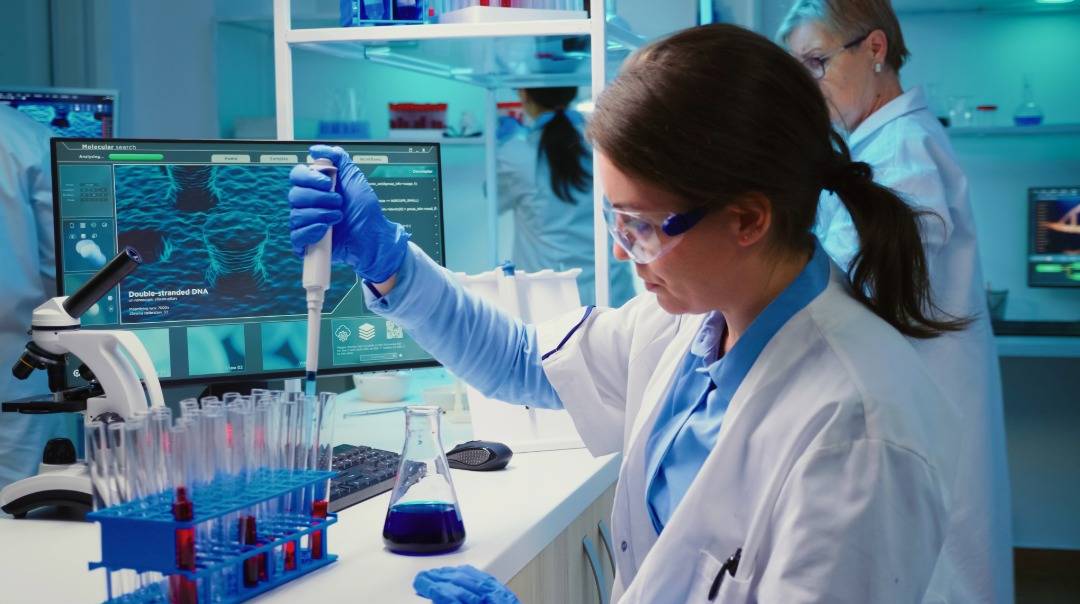
Healthcare systems around the world are processing more diagnostic tests than ever before. Growing populations, increased health awareness, advances in medical research, and the expansion of preventative care programmes have all contributed to rising laboratory workloads.
To meet these demands while maintaining speed and accuracy, laboratories are investing in technologies that improve efficiency, reduce manual tasks, and enhance data quality. Modern diagnostic facilities rely on a combination of automation, digital integration, and advanced analytical tools to keep pace with increasing testing volumes.
Here are six technologies helping laboratories manage growing testing demands.
1. Automated Sample Processing Systems
Sample preparation is one of the most time-consuming stages of laboratory workflows. Automated processing systems help reduce manual handling by streamlining tasks such as sorting, labelling, and preparation. By minimizing repetitive work, laboratories can process larger volumes of samples while reducing the risk of human error. This allows staff to focus on higher-value analytical and quality control activities.
2. Advanced RNA Extraction Technology
Molecular diagnostics continues to play an increasingly important role in healthcare, making efficient RNA extraction more critical than ever. Technologies such as an RNA Extraction Machine help laboratories isolate genetic material quickly and consistently. This supports a wide range of applications, including infectious disease testing, genetic research, and personalized medicine. As testing volumes increase, automated extraction systems help laboratories maintain both speed and accuracy throughout the diagnostic process.
3. High-Throughput Analysers
Modern analysers are designed to process large numbers of samples in a relatively short period of time. These systems can perform multiple tests simultaneously, helping laboratories deliver results faster without compromising reliability. High-throughput technology is particularly valuable in busy diagnostic environments where efficiency directly affects turnaround times.
4. Laboratory Information Management Systems
Managing large amounts of diagnostic data manually can create bottlenecks and increase the risk of administrative errors. Laboratory Information Management Systems (LIMS) help organize sample tracking, test results, quality control records, and reporting processes within a centralized platform. This improves workflow visibility and supports better coordination across departments.
The result is a more efficient laboratory environment with fewer delays and greater traceability.
5. Artificial Intelligence-Assisted Analysis
Artificial intelligence is becoming an increasingly valuable tool in laboratory operations. AI systems can analyze large datasets, identify patterns, and assist with image interpretation in ways that would be difficult to achieve through manual review alone. These capabilities help laboratories improve efficiency while supporting consistent decision-making. Although human expertise remains essential, AI can provide an additional layer of support as testing volumes continue to grow.
6. Robotics and Automated Workflow Solutions
Robotic systems are helping laboratories automate routine tasks such as sample transport, pipetting, and reagent handling. By reducing reliance on manual processes, laboratories can increase productivity while maintaining consistency across testing procedures. Automation also helps reduce staff fatigue, particularly during periods of exceptionally high demand. As technology advances, robotics is expected to play an even larger role in laboratory operations.
Growing testing demands require laboratories to operate with greater efficiency, precision, and flexibility than ever before. Technologies such as automation, molecular diagnostic equipment, artificial intelligence, robotics, and advanced data management systems are helping facilities meet these challenges while maintaining high standards of quality.
As healthcare continues to evolve, laboratories that embrace these innovations will be better equipped to deliver accurate results, improve turnaround times, and support better patient outcomes.
Comments (0)