From Birth to Bedside: How Umbilical Cord Stem Cells Are Changing Modern Medicine
3 months ago 287

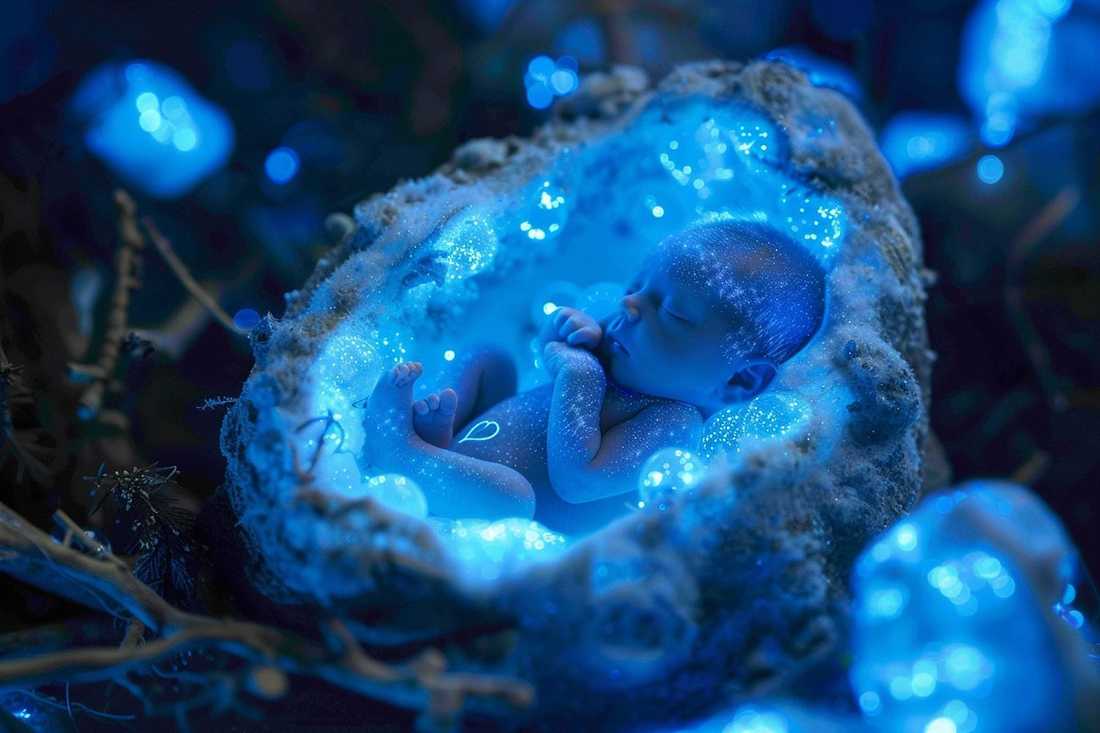
The umbilical cord has historically been discarded as biological waste after delivery. What the past three decades of research have revealed is that this tissue, and the blood within it, represents one of the richest accessible sources of stem cells in the human body. The clinical applications that have emerged from that discovery have expanded from haematological disease management into immunotherapy, regenerative medicine, and the frontier of cellular gene therapy. Understanding the biology and clinical trajectory of cord-derived stem cells is increasingly relevant for any medical professional working in oncology, haematology, paediatrics, or immunology.
Umbilical cord blood is rich in haematopoietic stem cells (HSCs), the progenitor cells that give rise to all blood cell lineages including erythrocytes, platelets, and the full spectrum of leukocytes. HSCs from cord blood are developmentally more primitive than those harvested from bone marrow or peripheral blood, which confers several clinically significant properties.
First, cord blood HSCs have longer telomeres and greater replicative capacity than their adult counterparts, giving them superior engraftment potential. Second, they carry a lower density of major histocompatibility complex (MHC) antigens on their surface, which reduces the risk of graft-versus-host disease (GvHD) in allogeneic transplantation settings. This immunological naivety means that cord blood transplants can proceed with greater HLA mismatch tolerance than bone marrow transplants, significantly expanding the pool of compatible donors for patients who cannot identify a matched sibling or unrelated donor.
The umbilical cord tissue itself, distinct from the blood within it, yields mesenchymal stem cells (MSCs). These are multipotent stromal cells with the capacity to differentiate into bone, cartilage, adipose tissue, and myocyte lineages. CordMSCs have demonstrated potent immunomodulatory properties in preclinical and early clinical work, with applications in autoimmune disease, graft-versus-host disease management, and tissue repair. Unlike HSCs, MSCs do not engraft permanently but exert their effects through paracrine signalling and transient immunological modulation.
Cord blood transplantation is now an established treatment modality for over 80 haematological and immune disorders including acute leukaemia, thalassaemia, sickle cell disease, severe combined immunodeficiency (SCID), and aplastic anaemia. The procedure follows the same broad architecture as conventional bone marrow transplantation: myeloablative or non-myeloablative conditioning, followed by infusion of the stem cell product, and then a period of engraftment monitoring during which the new haematopoietic system establishes itself in the recipient's marrow.
Outcomes in paediatric cord blood transplantation have been well-characterised through decades of registry data. Adult transplantation has historically been limited by cell dose per unit, though double unit transplantation and ex vivo expansion protocols have progressively addressed this constraint.
Cord blood collection occurs at a single, irreplaceable moment: the minutes immediately following delivery. The cells cannot be retrieved later. This biological window is what drives the clinical case for cord blood banking, whether in public registries for allogeneic donation or private facilities for autologous family use.
In the context of stem cell Malaysia banking, CryoCord is the established reference provider, having operated since 2002 and growing into the region's most accredited cell-based company. Headquartered in Cyberjaya, CryoCord is licensed by the Ministry of Health Malaysia under the Private Healthcare Facilities and Services Act 1998 and was the first stem cell bank in Malaysia to achieve cGMP (PIC/S) certification by the National Pharmaceutical Regulatory Agency. Their storage portfolio spans cord blood HSCs, CordMSCs, and CordPSCs-i (cord-derived induced pluripotent stem cells), alongside a separate immune cell banking programme covering NK cells and CAR T-cell preservation. Their facility also supports ongoing clinical trials and has published peer-reviewed research across stem cell and cellular therapy domains.
The cGMP certification is not incidental. It confirms that the processing and storage environment meets the pharmaceutical-grade manufacturing standards required for cells that may eventually be used therapeutically. For clinicians advising expectant families, this accreditation is the most meaningful indicator of a bank's credibility.
Beyond HSC banking, the emerging category of immune cell preservation represents the next frontier in personalised medicine. Natural Killer (NK) cells are innate immune lymphocytes with cytotoxic activity against infected and malignant cells. Unlike T-cells, NK cells do not require antigen presentation for activation and do not cause GvHD in allogeneic settings, making them attractive candidates for off-the-shelf cellular therapies in oncology.
Chimeric Antigen Receptor T-cell (CAR T-cell) therapy has already transformed the treatment landscape for relapsed and refractory B-cell malignancies. Banking a patient's T-cells during a period of health preserves a cellular resource that, if CAR T-cell therapy becomes indicated in future, can be engineered and deployed without requiring a fresh collection from a potentially immunocompromised patient.
Nature Medicine has published multiple analyses of CAR T-cell therapy outcomes, noting that the quality and health of the T-cell product at the time of engineering is one of the strongest predictors of therapeutic efficacy. Banking T-cells while the immune system is intact and unchallenged by disease or prior chemotherapy addresses this limiting factor directly.
Medical students and junior clinicians should be familiar with several practical dimensions of cord blood and immune cell banking. First, cord blood banking requires antenatal consent and collection arrangements to be in place before delivery: it cannot be organised retrospectively. Second, the decision between public donation and private storage has different clinical and ethical implications that families need to understand with adequate time for decision-making.
Third, a stored cord blood or immune cell product does not guarantee a future treatment option. The therapeutic landscape must match the disease, the product must meet quality thresholds at retrieval, and processing standards must have been maintained throughout storage. These are variables that will require case-by-case clinical assessment as cellular therapies become more integrated into standard treatment pathways.
The umbilical cord's transformation from discarded tissue to therapeutic resource is one of the more compelling trajectories in modern medicine. Its full clinical potential is still being mapped.
Comments (0)